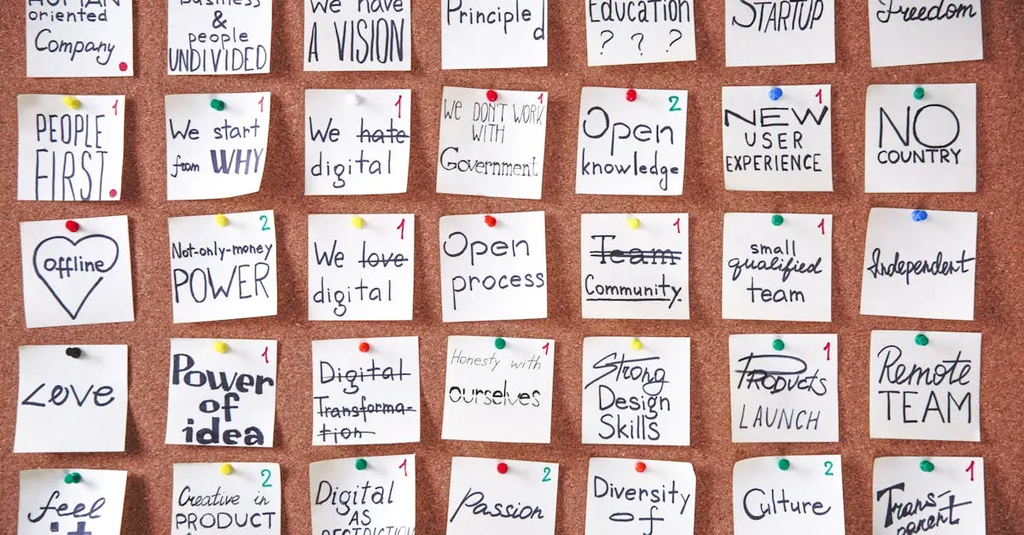
Building a mental health vocabulary involves learning and understanding terms, concepts, and language related to mental health conditions, emotions, and well-being. This expanded vocabulary helps individuals communicate their feelings more accurately, recognize symptoms, and seek appropriate support. It also fosters empathy and reduces stigma by promoting informed conversations about mental health, empowering people to express themselves and connect with others who may have similar experiences.
Building a Mental Health Vocabulary
Building a mental health vocabulary involves learning and understanding terms, concepts, and language related to mental health conditions, emotions, and well-being. This expanded vocabulary helps individuals communicate their feelings more accurately, recognize symptoms, and seek appropriate support. It also fosters empathy and reduces stigma by promoting informed conversations about mental health, empowering people to express themselves and connect with others who may have similar experiences.
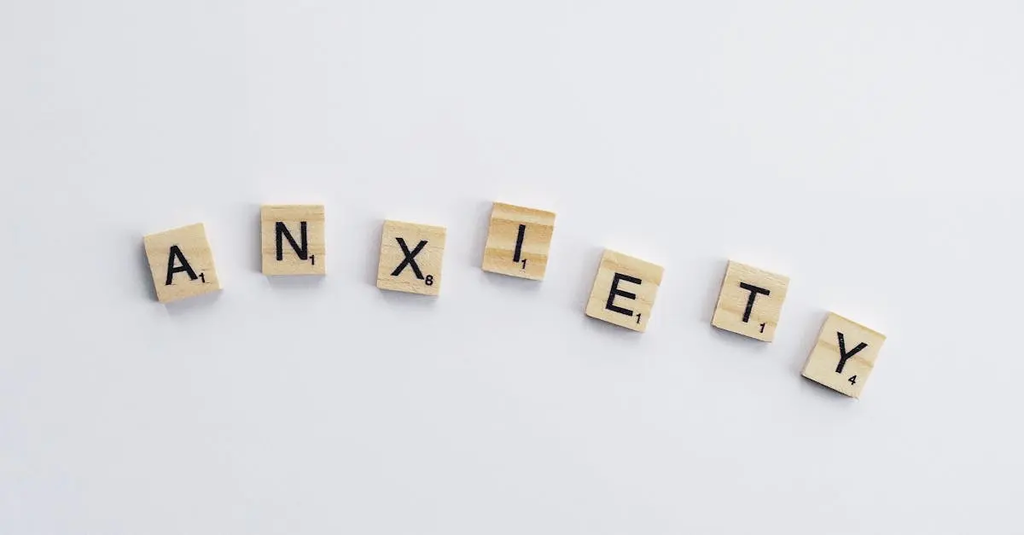
💡 Key Takeaways
- Define and differentiate common mental health terms to improve understanding.
- Identify emotions and moods accurately to articulate how you feel.
- Recognize common symptoms and warning signs that may indicate when to seek support.
- Learn how to communicate needs and access appropriate mental health resources.
❓ Frequently Asked Questions
What does 'emotional literacy' mean?
The ability to recognize, name, and understand emotions in yourself and others, helping you communicate how you feel.
How do you differentiate 'stress' from 'anxiety'?
Stress is a reaction to external pressures or demands, while anxiety is a persistent, often internal worry that can occur without a clear trigger.
What is 'emotional regulation'?
A set of skills for managing intense emotions and choosing calm, purposeful responses rather than reacting impulsively.
Why is non-stigmatizing language important in mental health?
It reduces stigma, supports respectful communication, and helps people seek help when needed.