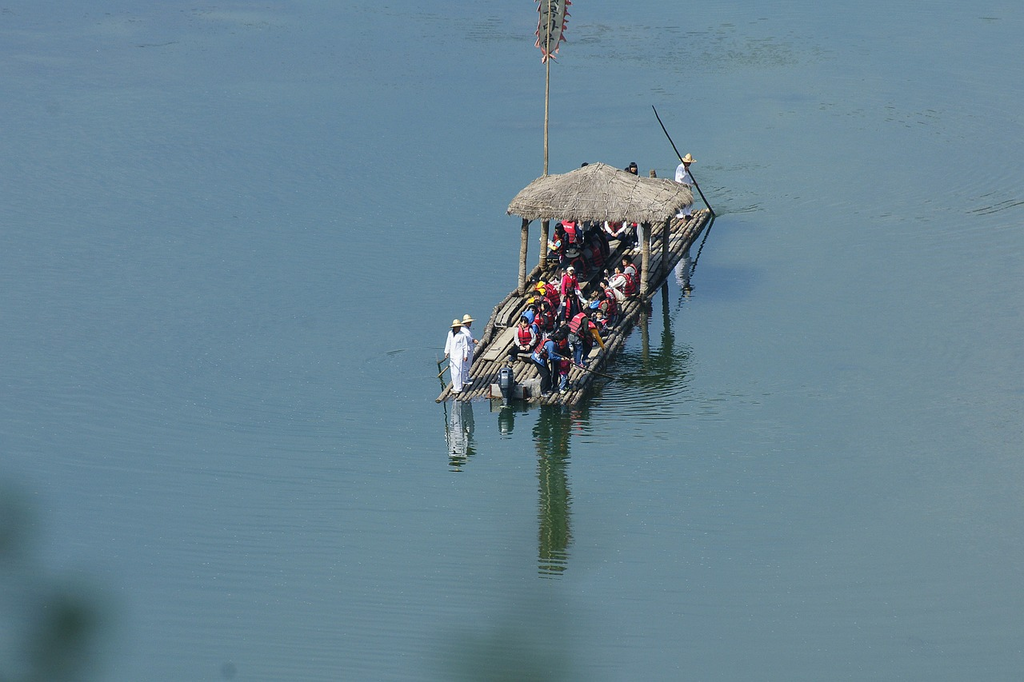
"Building a Raft (Survival Stories)" refers to the process of constructing a floating platform, typically from available natural materials, as a means of survival in emergency situations. In survival stories, individuals or groups often build rafts to escape danger, cross bodies of water, or seek rescue after being stranded. The phrase highlights resourcefulness, ingenuity, and determination, emphasizing the human instinct to adapt and survive using limited resources in challenging environments.
Building a Raft
"Building a Raft (Survival Stories)" refers to the process of constructing a floating platform, typically from available natural materials, as a means of survival in emergency situations. In survival stories, individuals or groups often build rafts to escape danger, cross bodies of water, or seek rescue after being stranded. The phrase highlights resourcefulness, ingenuity, and determination, emphasizing the human instinct to adapt and survive using limited resources in challenging environments.
💡 Key Takeaways
- Understand buoyancy and how raft materials and shape influence flotation and stability
- Compare common raft construction approaches (wooden frame, inflatable tubes, or hybrid designs) and their trade-offs
- Identify essential safety considerations for raft-building, including load distribution, flotation integrity, and inspection practices
- Grasp basic design principles for stability, ease of steering, and durability in calm-to-moderate water
❓ Frequently Asked Questions
What makes a raft float?
A raft floats due to buoyancy: the raft displaces enough water to support its weight. Using buoyant materials or air-filled chambers increases displacement and keeps the raft afloat.
How does weight distribution affect raft stability?
Even weight distribution helps keep the raft stable. Concentrated weight on one side or end can cause tipping or capsizing; aim for a low, centered center of gravity and balanced load.
What materials are commonly used to build a raft, and what should you consider when choosing them?
Common options include wood logs/planks, inflatable tubes, or plastic barrels. Choose buoyant, water-resistant, durable materials and consider availability, weight, maintenance, and ease of assembly.
What safety steps should you take when using or testing a raft?
Wear life jackets, check for leaks and flotation, avoid overloading, test in shallow water with a buddy, have a bailer or rope handy, and be aware of weather and water conditions.