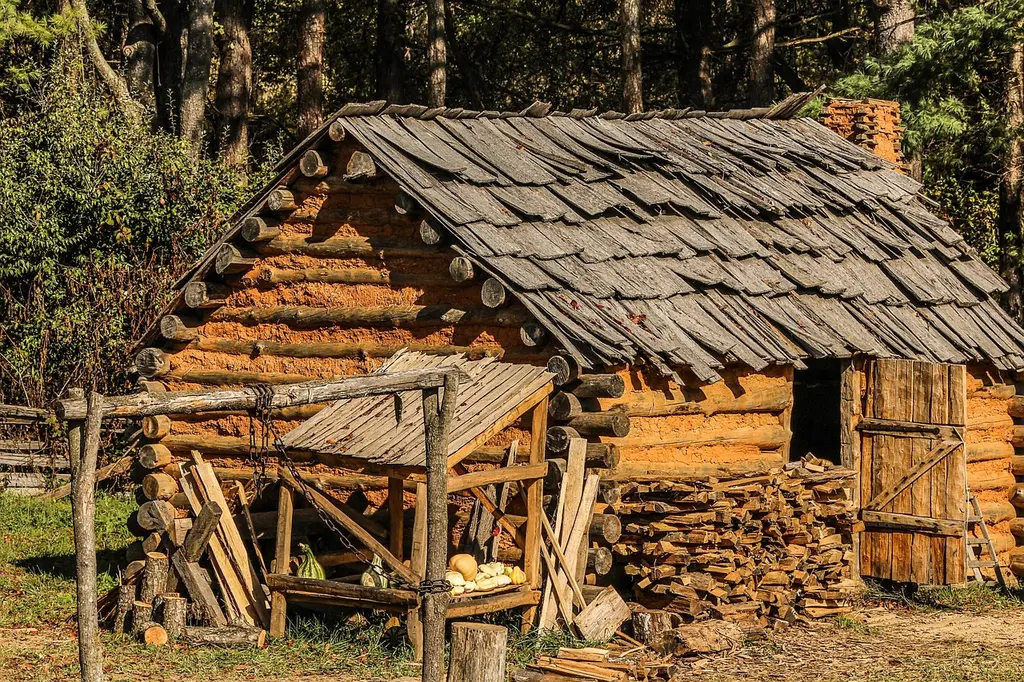
Building a semi-permanent shelter involves creating a sturdy, weather-resistant structure designed to last weeks or months in the wilderness. Survival stories often highlight resourcefulness, using available materials like branches, leaves, or tarps to construct walls and roofs. Such shelters provide protection from harsh elements, animals, and insects, helping survivors conserve energy and maintain morale while awaiting rescue or adapting to extended stays in remote environments.
Building a Semi-Permanent Shelter
Building a semi-permanent shelter involves creating a sturdy, weather-resistant structure designed to last weeks or months in the wilderness. Survival stories often highlight resourcefulness, using available materials like branches, leaves, or tarps to construct walls and roofs. Such shelters provide protection from harsh elements, animals, and insects, helping survivors conserve energy and maintain morale while awaiting rescue or adapting to extended stays in remote environments.
💡 Key Takeaways
- Identify suitable sites, foundation options, and basic design considerations for semi-permanent shelters.
- Compare common materials and construction methods used in semi-permanent shelters for durability, cost, and climate suitability.
- Explain essential habitability features, including ventilation, insulation, weatherproofing, and safety.
- Plan for maintenance, durability, and lifecycle considerations such as upkeep and the potential for relocation or disassembly.
❓ Frequently Asked Questions
What is a semi-permanent shelter?
A shelter designed for longer-term use than a temporary setup, built with durable materials and a solid frame, typically lasting months to years rather than days or weeks.
What factors should you consider when choosing a site for a semi-permanent shelter?
Climate and weather, drainage and flood risk, wind exposure, soil stability, access to utilities, safety, and local building codes or permit requirements.
What materials are commonly used and what are their pros and cons?
Common options include wood framing with weatherproof siding, metal roofing, insulated panels, and concrete footings. Pros/cons depend on climate, maintenance, and cost.
What safety and durability features are important?
Ventilation, moisture control, insulation, waterproofing, secure anchoring, proper drainage, pest protection, and adherence to relevant safety standards.
Do you need permits or inspections for a semi-permanent shelter?
Often yes for larger structures; requirements vary by location. Check with your local building authority to determine permits and inspections needed.