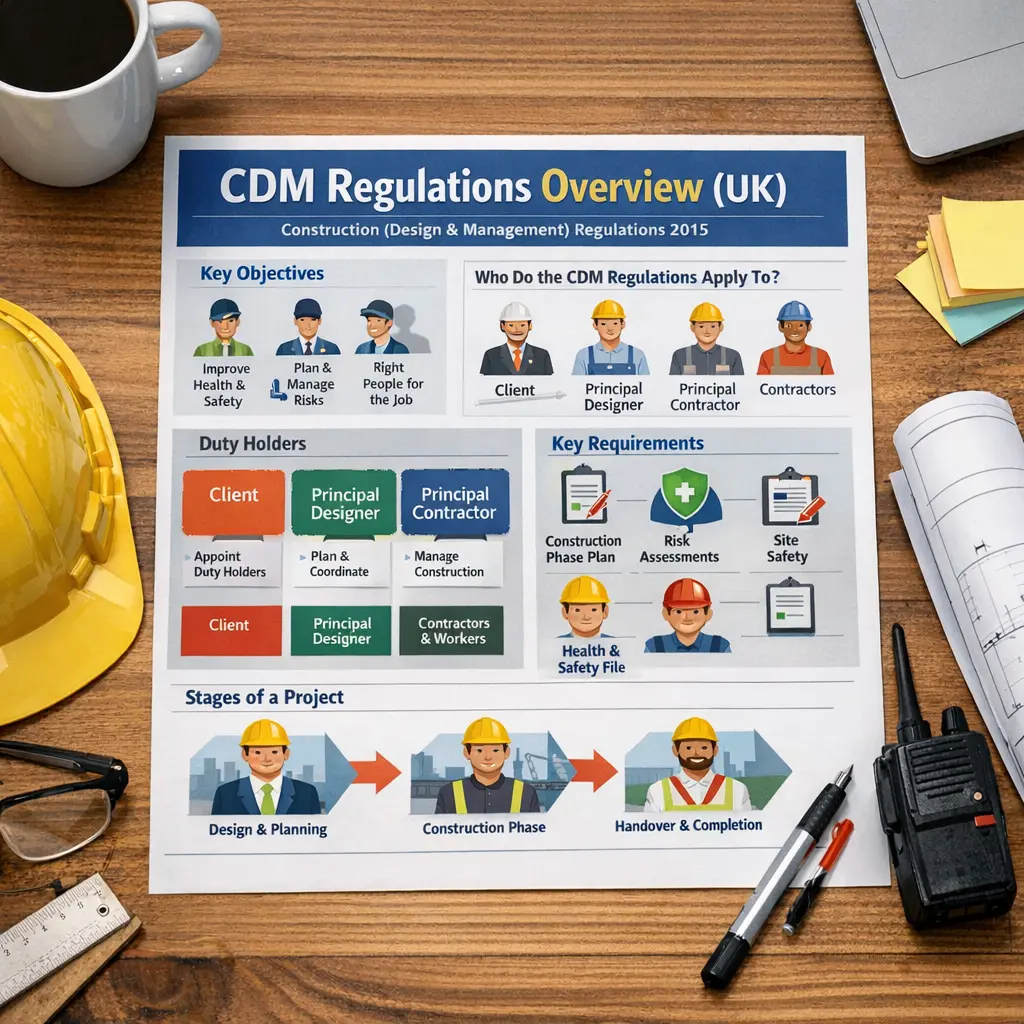
Building Regulations Compliance Pathways in the construction environment refer to the structured processes and routes that ensure new buildings, renovations, or extensions meet legal safety, health, and sustainability standards. These pathways guide stakeholders—such as architects, builders, and developers—through documentation, approvals, inspections, and certification steps required by local or national authorities, ensuring that all construction activities adhere to established building codes and regulatory requirements throughout the project lifecycle.
Building Regulations Compliance Pathways
Building Regulations Compliance Pathways in the construction environment refer to the structured processes and routes that ensure new buildings, renovations, or extensions meet legal safety, health, and sustainability standards. These pathways guide stakeholders—such as architects, builders, and developers—through documentation, approvals, inspections, and certification steps required by local or national authorities, ensuring that all construction activities adhere to established building codes and regulatory requirements throughout the project lifecycle.
💡 Key Takeaways
- Identify the key building regulations relevant to your project (structure, fire safety, energy efficiency, accessibility).
- Explore the available compliance pathways, including full compliance, performance-based solutions, and approved documents or standards.
- Understand the end-to-end process from design through inspection to completion certificate.
- Grasp the roles and responsibilities of designers, contractors, and building control/inspectors in achieving compliance.
- Know how to prepare, submit, and maintain the documentation needed to demonstrate compliance.
❓ Frequently Asked Questions
What are building regulations compliance pathways?
A set of approved routes to show your project meets legal safety, welfare, and sustainability standards. Pathways define how you demonstrate compliance to the relevant building control authority. Note: requirements vary by country/region.
What is deemed-to-satisfy vs performance-based (alternative) pathway?
Deemed-to-satisfy provides predefined design solutions that meet standards; performance-based allows you to demonstrate compliance through calculations and evidence showing the design meets the rules, often with expert endorsement.
Who approves compliance and what documents are needed?
Typically a building control authority or accredited verifier approves compliance. Common documents include drawings, specifications, calculations, energy assessments, and a compliance statement.
What steps start the compliance process during design?
Identify applicable regulations, select a pathway, prepare drawings and specs, run required calculations, compile evidence, submit for review, and address any feedback.
Can third-party certification help with compliance?
Yes. Accredited inspectors or certifiers can assess the project against the regulations, provide compliance statements, and may speed up approvals.