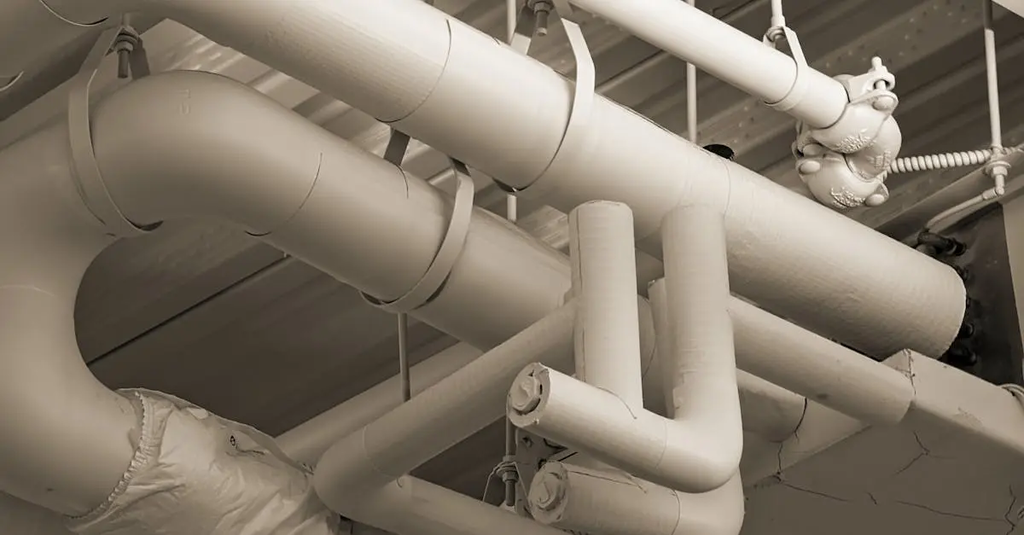
Building Services Distribution in construction technology refers to the organized planning, installation, and integration of essential services—such as electrical wiring, plumbing, heating, ventilation, air conditioning, and communication systems—within a building. It ensures these systems are efficiently routed through ceilings, floors, and walls, maintaining accessibility for maintenance while minimizing disruption to structural integrity and aesthetics. Effective distribution is crucial for occupant comfort, safety, and building performance.
Building Services Distribution+50
Building Services Distribution in construction technology refers to the organized planning, installation, and integration of essential services—such as electrical wiring, plumbing, heating, ventilation, air conditioning, and communication systems—within a building. It ensures these systems are efficiently routed through ceilings, floors, and walls, maintaining accessibility for maintenance while minimizing disruption to structural integrity and aesthetics. Effective distribution is crucial for occupant comfort, safety, and building performance.

💡 Key Takeaways
- Understand the role of building services distribution in delivering HVAC, electrical, and plumbing to spaces.
- Identify common routing methods (risers, ducts, conduits) and planning needs for access and expansion.
- Learn how to coordinate service distributions to improve energy efficiency and ease of maintenance.
- Recognize safety, noise, and compliance considerations in distributing building services.
❓ Frequently Asked Questions
What is Building Services Distribution?
The system that takes power from the incoming supply and distributes it through boards and circuits to all building services (lighting, power, and mechanical/electrical systems), with safety features like protection devices and earthing.
What is the difference between a main distribution board (MDB) and a sub-distribution board (SDB)?
The MDB receives the incoming supply and feeds one or more sub-distribution boards or major circuits; SDBs distribute power to local areas or groups of circuits and are located close to the loads they serve.
What are the common protective devices used in Building Services Distribution?
MCBs protect circuits from overcurrent, RCDs provide earth-leakage protection, and fuses may be used in some boards; together they enable safe isolation and fault protection.
Why are earthing and bonding important in Building Services Distribution?
Earthing provides a safe fault path to limit touch voltages, while bonding ties metalwork to earth to reduce shock risk and ensure safety during faults.