Buildings, Infrastructure & Smart Cities (Engineering & Technology Careers) refers to professions focused on designing, constructing, and managing the physical and digital frameworks of modern society. Careers in this field include civil, structural, and electrical engineering, urban planning, and technology integration to create efficient, sustainable, and connected urban environments. Professionals work on projects like roads, bridges, smart grids, and intelligent buildings, aiming to improve quality of life through innovative engineering and technological solutions.
Buildings, Infrastructure & Smart Cities
Buildings, Infrastructure & Smart Cities (Engineering & Technology Careers) refers to professions focused on designing, constructing, and managing the physical and digital frameworks of modern society. Careers in this field include civil, structural, and electrical engineering, urban planning, and technology integration to create efficient, sustainable, and connected urban environments. Professionals work on projects like roads, bridges, smart grids, and intelligent buildings, aiming to improve quality of life through innovative engineering and technological solutions.
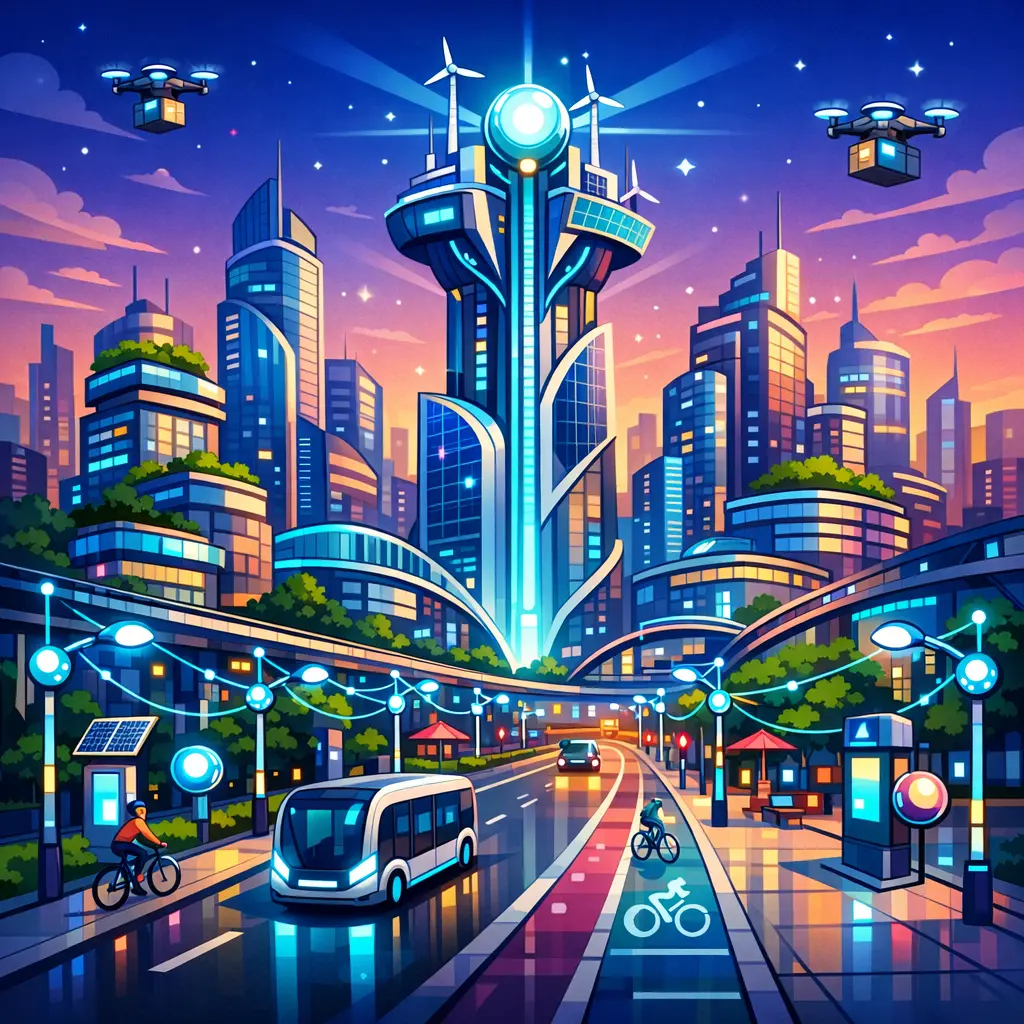
💡 Key Takeaways
- Identify the key components of buildings, infrastructure, and smart city ecosystems.
- Explain how IoT, sensors, and data analytics optimize energy, water, transportation, and safety in urban areas.
- Describe sustainable design, efficiency strategies, and retrofitting approaches for urban buildings and infrastructure.
- Understand how digital tools like BIM and digital twins support planning, monitoring, and resilience in smart cities.
❓ Frequently Asked Questions
What is a smart city?
An urban area that uses digital technologies, data analytics and connected devices to improve the efficiency and quality of city services (energy, transport, water, waste), while boosting sustainability, safety and citizen engagement.
What makes a building energy-efficient or green?
A design and operation approach that reduces energy use and emissions through a high-performance envelope, efficient HVAC and lighting, smart controls, and, where feasible, on-site renewable energy and green certifications.
What role do sensors and IoT play in smart cities?
Sensors collect real-time data from buildings, streets and utilities; analytics optimize traffic, energy and water use, support maintenance, and enable proactive city management.
What is a smart grid and why is it important?
A two-way, digitally managed electricity network that coordinates generation, storage and demand; it improves reliability, enables better integration of renewables, and supports efficient energy use.