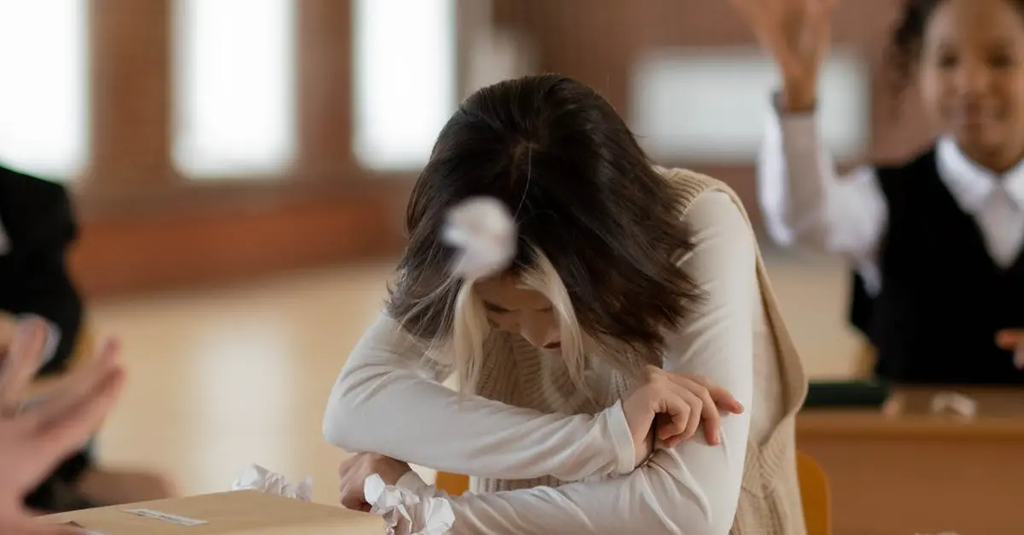
Bullying and peer pressure refer to negative social interactions among individuals, especially in school or group settings. Bullying involves repeated aggressive behavior intended to harm or intimidate others, while peer pressure is the influence exerted by peers to persuade someone to conform to group norms or behaviors, often against their will. Both can lead to emotional distress, reduced self-esteem, and may impact mental health and decision-making abilities in affected individuals.
Bullying and Peer Pressure
Bullying and peer pressure refer to negative social interactions among individuals, especially in school or group settings. Bullying involves repeated aggressive behavior intended to harm or intimidate others, while peer pressure is the influence exerted by peers to persuade someone to conform to group norms or behaviors, often against their will. Both can lead to emotional distress, reduced self-esteem, and may impact mental health and decision-making abilities in affected individuals.
💡 Key Takeaways
- Distinguish between bullying, harassment, and peer pressure, and understand why each matters for children.
- Identify common signs that a child is being bullied or is feeling pressured by peers at home, school, or online.
- Explore the potential emotional and behavioral effects of bullying and peer pressure on mental health and development.
- Learn practical parenting strategies to prevent and respond to bullying and peer pressure, including open communication, boundary setting, resilience-building, and collaboration with schools.
❓ Frequently Asked Questions
What is bullying?
Bullying is repeated aggressive behavior intended to harm or intimidate someone, often involving an imbalance of power and can be physical, verbal, or social.
What is peer pressure?
Peer pressure is the influence of friends or classmates that encourages someone to conform to group norms or actions, which can be positive or negative; in this context, it often pushes toward harmful or unwanted behaviors.
How can parents help prevent bullying and negative peer pressure?
Foster open dialogue, teach respectful communication and assertiveness, set clear expectations, monitor social environments, model healthy behavior, and collaborate with schools or community programs.
What should you do if your child is being bullied or pressured by peers?
Listen without judgment, validate feelings, document incidents, report to the school or authorities, implement safety and coping strategies, and seek support from counselors or trusted adults.