
Bureaucratic inefficiency+50 
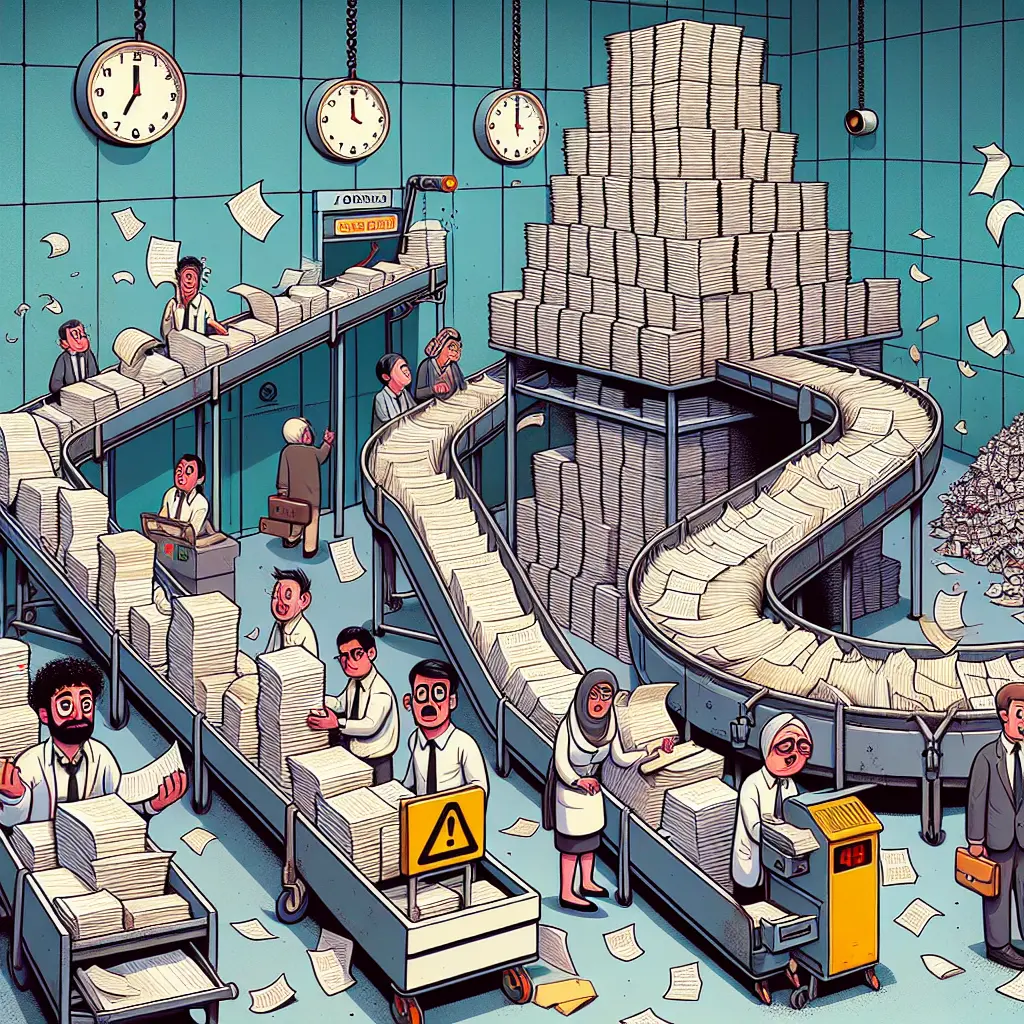
Bureaucratic inefficiency refers to the slow, cumbersome, and often wasteful processes within large organizations or government agencies. It is characterized by excessive paperwork, rigid adherence to rules, and multiple layers of approval that hinder decision-making and productivity. This inefficiency leads to delays, increased costs, and frustration among employees and the public, ultimately reducing the effectiveness and responsiveness of the organization in fulfilling its intended functions.
Bureaucratic inefficiency+50
Bureaucratic inefficiency refers to the slow, cumbersome, and often wasteful processes within large organizations or government agencies. It is characterized by excessive paperwork, rigid adherence to rules, and multiple layers of approval that hinder decision-making and productivity. This inefficiency leads to delays, increased costs, and frustration among employees and the public, ultimately reducing the effectiveness and responsiveness of the organization in fulfilling its intended functions.
💡 Key Takeaways
- Identify typical causes of bureaucratic inefficiency, such as excessive paperwork, rigid rules, and multiple approval layers.
- Explain how slow processes impact decision-making, productivity, and service delivery.
- Explore strategies to streamline workflows, reduce red tape, and empower frontline staff.
- Learn basic techniques for process mapping and bottleneck identification to improve efficiency.
❓ Frequently Asked Questions
What is bureaucratic inefficiency?
Slow, cumbersome processes in large organizations caused by excessive paperwork, rigid rules, and multiple approval layers that delay decision-making.
What are common features of bureaucratic inefficiency?
Excessive forms, rigid adherence to rules, many levels of approval, and siloed communication that slow progress.
Why is bureaucratic inefficiency a problem?
It wastes time and resources, increases costs, and reduces productivity and service quality.
How can organizations reduce bureaucratic inefficiency?
Simplify processes, cut unnecessary approvals, adopt digital workflows, empower frontline staff, and set clear timelines and accountability.