Business cycles refer to the fluctuations in economic activity that an economy experiences over time, typically characterized by periods of expansion and contraction. Economic growth, on the other hand, is the sustained increase in the value of goods and services produced by an economy over the long term. While business cycles cause short-term ups and downs, economic growth reflects the overall long-term upward trend in an economy’s productive capacity and living standards.
Business Cycles and Economic Growth
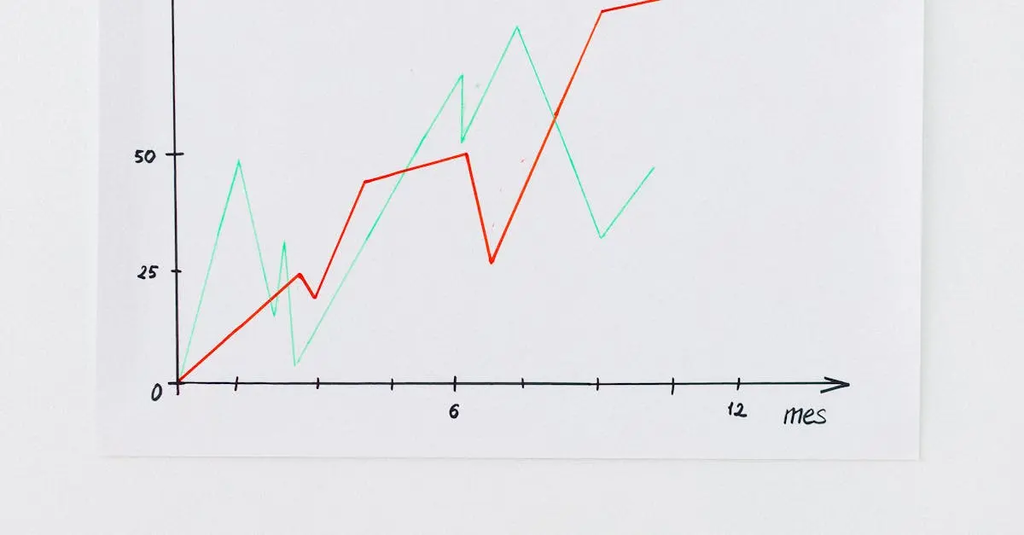
Business cycles refer to the fluctuations in economic activity that an economy experiences over time, typically characterized by periods of expansion and contraction. Economic growth, on the other hand, is the sustained increase in the value of goods and services produced by an economy over the long term. While business cycles cause short-term ups and downs, economic growth reflects the overall long-term upward trend in an economy’s productive capacity and living standards.
💡 Key Takeaways
- Distinguish between short-run business cycles and long-run economic growth.
- Identify the four phases of a typical business cycle: expansion, peak, contraction, and trough.
- Explain how sustained GDP growth contributes to rising living standards over the long run.
- Identify key indicators and drivers of cycles (investment, employment, inflation, productivity) and how they interact.
- Describe how monetary and fiscal policy can influence cycles and support economic growth.
❓ Frequently Asked Questions
What is a business cycle?
The irregular but recurring pattern of expansion and contraction in a country's overall economic activity around a long-term growth path.
What is economic growth?
The sustained increase in a nation's real output of goods and services over time, typically measured by real GDP growth.
What are the four phases of a typical business cycle?
Expansion, peak, contraction (recession), and trough.
How do cycles differ from long-run growth?
Cycles are short-term fluctuations around the growth trend, while growth is the long-run increase in average output.
What drives long-run economic growth?
Productivity gains, capital deepening, human capital, technology, and supportive institutions and policies.