Byzantine mosaics and icons are hallmark artistic expressions of the Byzantine Empire, flourishing from the 4th to the 15th century. Mosaics, made from colored glass or stone, adorned church interiors with shimmering depictions of Christ, Mary, and saints, emphasizing spiritual transcendence. Icons, painted on wood, served as devotional images, believed to mediate between the divine and worshippers. Both art forms reflect Byzantine religious devotion, stylistic formality, and symbolic use of color and gold.
Byzantine Mosaics & Icons
Byzantine mosaics and icons are hallmark artistic expressions of the Byzantine Empire, flourishing from the 4th to the 15th century. Mosaics, made from colored glass or stone, adorned church interiors with shimmering depictions of Christ, Mary, and saints, emphasizing spiritual transcendence. Icons, painted on wood, served as devotional images, believed to mediate between the divine and worshippers. Both art forms reflect Byzantine religious devotion, stylistic formality, and symbolic use of color and gold.
💡 Key Takeaways
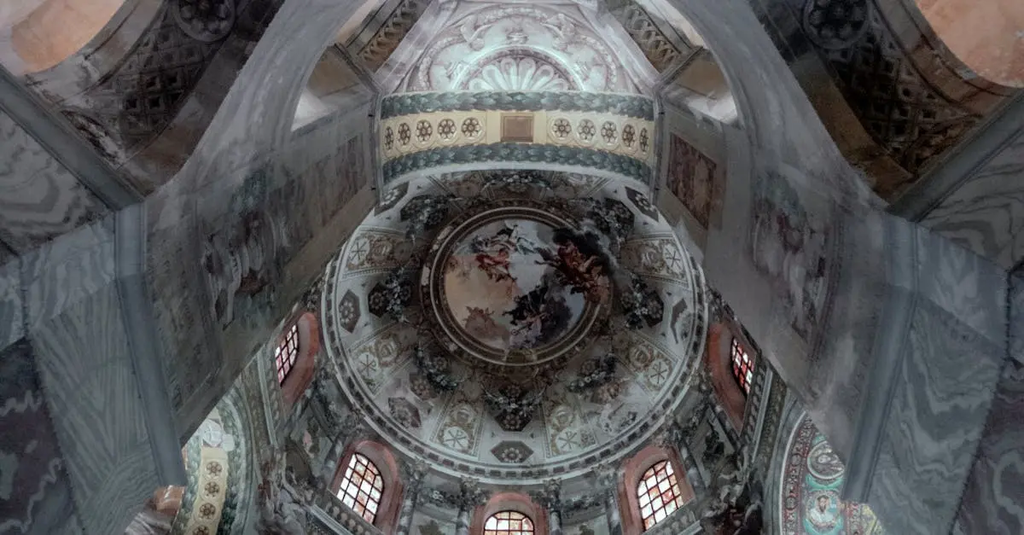
- Byzantine mosaics use small colored stones or glass (tesserae) set in mortar, often with gold backgrounds to create luminous, otherworldly light.
- Icons serve as visual theology in worship, guiding devotion and teaching biblical scenes and saints to believers.
- Iconographic and stylistic features include frontal, solemn figures, hierarchical proportions, symbolic colors, and a flat, non-naturalistic perspective in both mosaics and icons.
- The period of Iconoclasm (8th–9th c.) and its aftermath influenced Byzantine art, leading to shifts in policy, usage, and revival of artistic styles during the Macedonian Renaissance.
❓ Frequently Asked Questions
What are Byzantine mosaics and where are they commonly found?
They are images created from tiny pieces called tesserae, usually installed on church walls and domes in the Byzantine world, with famous examples in Hagia Sophia and other Orthodox churches.
Why do many Byzantine mosaics have gold backgrounds?
Gold tesserae create a radiant, heavenly backdrop that symbolizes divine light and the sacred realm.
What is the purpose of icons in Byzantine art?
Icons depict holy figures and scenes to educate, inspire devotion, and aid prayer within liturgical practice.
What is an iconostasis and what does it do?
An iconostasis is a screen or wall adorned with icons that separates the nave from the sanctuary in Orthodox churches, guiding liturgical processions and worship.