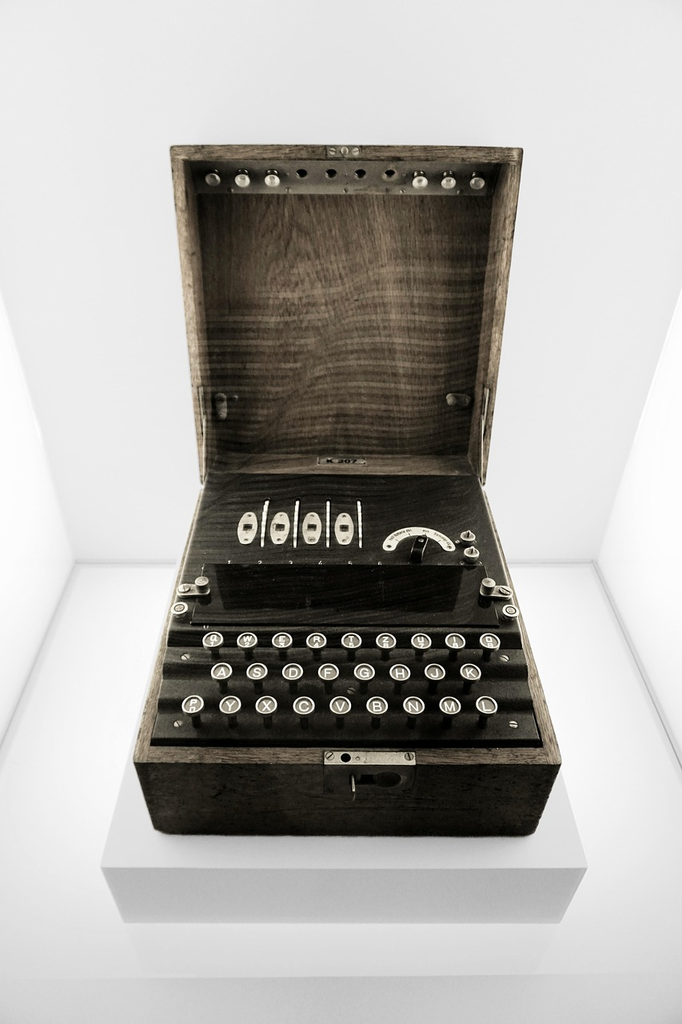
The Caesar Cipher is a simple encryption technique where each letter in a message is shifted by a fixed number of positions in the alphabet. While the message appears disguised, it remains readable to anyone who knows the shift value, making it "hidden in plain sight." Despite its simplicity, the cipher demonstrates how basic substitution can obscure information, though it offers little real security by modern standards.
Caesar Cipher
The Caesar Cipher is a simple encryption technique where each letter in a message is shifted by a fixed number of positions in the alphabet. While the message appears disguised, it remains readable to anyone who knows the shift value, making it "hidden in plain sight." Despite its simplicity, the cipher demonstrates how basic substitution can obscure information, though it offers little real security by modern standards.

💡 Key Takeaways
- Understand what a Caesar cipher is and its place in the history of cryptography.
- Learn how to encode and decode by shifting letters by a fixed amount with wrap-around (e.g., A→D for a +3 shift).
- Practice applying the cipher to English text, preserving case and handling non-letter characters as needed.
- Explore its weaknesses, including susceptibility to frequency analysis and brute-force attacks, and why it's not secure for modern use.
❓ Frequently Asked Questions
What is the Caesar cipher?
A simple substitution cipher that shifts every letter by a fixed number of positions in the alphabet. For example, with a shift of 3, A→D, B→E, etc.; non-letters stay the same and the shift wraps from Z back to A.
How do you encrypt a message with a Caesar cipher?
Choose a shift value k (0–25). For each letter, replace it with the letter k steps forward, wrapping after Z. Preserve case and leave non-letter characters unchanged.
How do you decrypt a Caesar cipher if you know the shift?
Shift each letter backward by the same amount and reassemble the text. If you don’t know the shift, try all 25 other shifts (brute force) to find readable text.
What are the limitations of the Caesar cipher?
It’s very insecure: only 26 possible keys and it’s easy to break with frequency analysis. Useful for practice or puzzles, not for protecting real data.