Calendar systems are methods of organizing days for social, religious, or administrative purposes. Solar calendars, like the Gregorian, are based on the Earth's orbit around the Sun, marking holidays by solar events. Lunar calendars, such as the Islamic calendar, track the Moon's phases, so holidays shift each year. Lunisolar calendars, like the Hebrew or Chinese calendars, combine both solar and lunar cycles, aligning months with lunar phases and years with the solar year to set holiday dates.
Calendar Systems: Solar, Lunar & Lunisolar Holidays
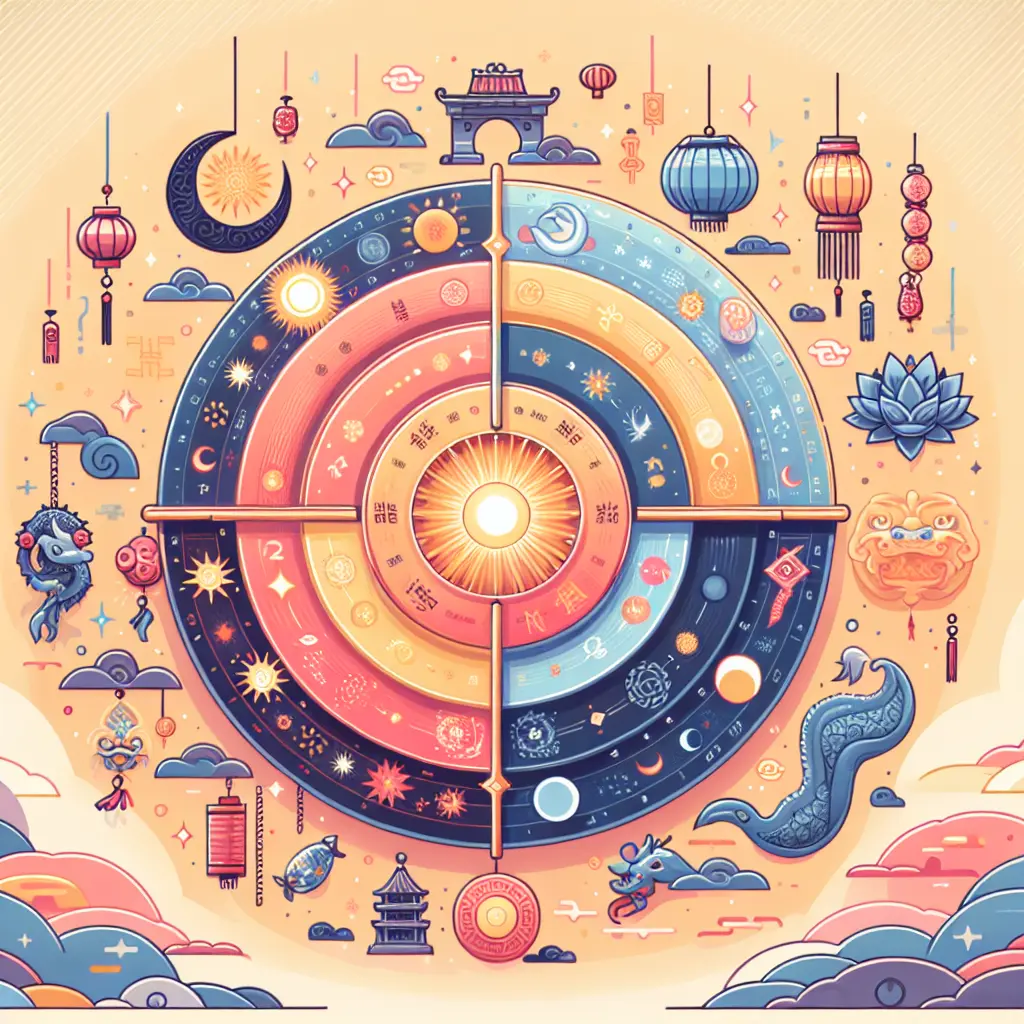
Calendar systems are methods of organizing days for social, religious, or administrative purposes. Solar calendars, like the Gregorian, are based on the Earth's orbit around the Sun, marking holidays by solar events. Lunar calendars, such as the Islamic calendar, track the Moon's phases, so holidays shift each year. Lunisolar calendars, like the Hebrew or Chinese calendars, combine both solar and lunar cycles, aligning months with lunar phases and years with the solar year to set holiday dates.
💡 Key Takeaways
- Compare solar, lunar, and lunisolar calendars and how they track time.
- Recognize holidays based on solar events, lunar phases, and intercalated cycles.
- Explain why leap years or intercalary months are added to keep calendars aligned with celestial cycles.
- Describe how calendar systems shape social, religious, and administrative observances.
❓ Frequently Asked Questions
What is a solar calendar?
A solar calendar is organized around the Earth's orbit around the Sun; holidays are tied to the seasons and the solar year (about 365 days), with leap years added to keep the calendar in sync.
What is a lunar calendar?
A lunar calendar tracks the Moon's phases, with months often starting at new moons; years are about 354 days, so holidays can drift relative to the seasons.
What is a lunisolar calendar?
A lunisolar calendar combines solar years with lunar months and adds leap months or days to keep months aligned with the seasons.
Can you name examples of each calendar type?
Solar: Gregorian calendar; Lunar: Islamic (Hijri) calendar; Lunisolar: Hebrew calendar, traditional Chinese calendar.
Why do calendars differ and how are holidays determined?
Differences come from balancing astronomical cycles with cultural or religious needs; holidays may be fixed to solar dates, lunar dates, or a mix with adjustments to stay in sync with seasons.