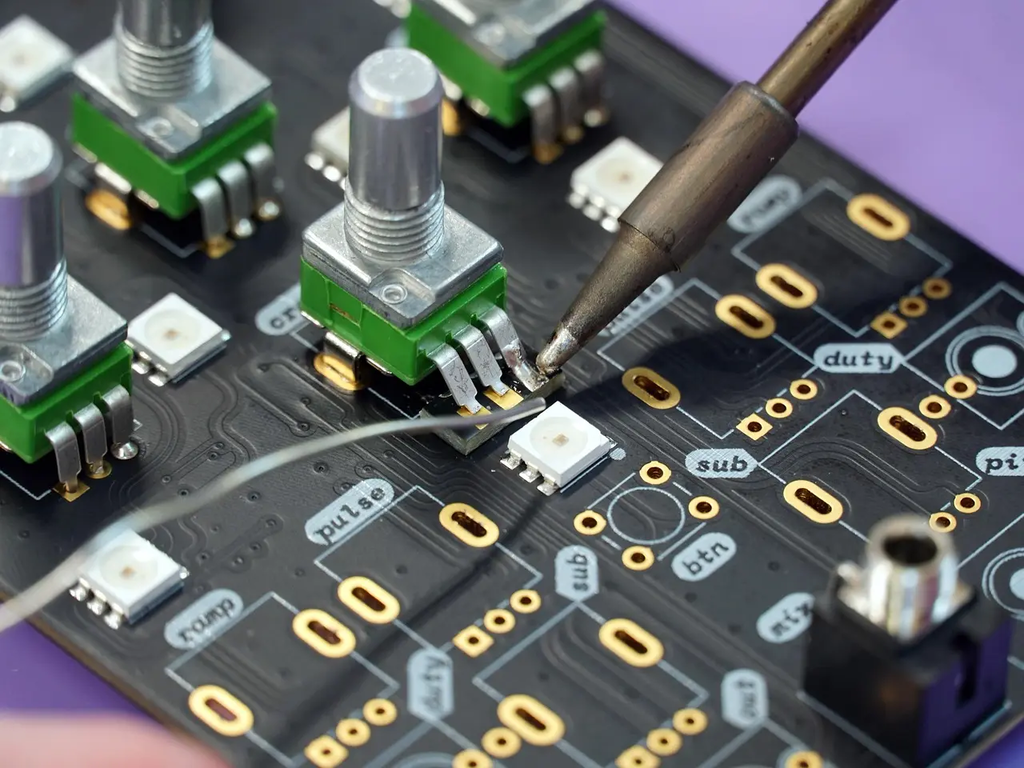
Calibration, linearization, and error budgets are crucial concepts in electronics devices and components. Calibration ensures that instruments provide accurate measurements by comparing them to known standards. Linearization adjusts the device’s output to create a proportional relationship between input and output, improving accuracy across the measurement range. Error budgets systematically account for all possible sources of measurement error, allowing engineers to predict and minimize total system inaccuracies, ensuring reliable and precise device performance.
Calibration, linearization, and error budgets
Calibration, linearization, and error budgets are crucial concepts in electronics devices and components. Calibration ensures that instruments provide accurate measurements by comparing them to known standards. Linearization adjusts the device’s output to create a proportional relationship between input and output, improving accuracy across the measurement range. Error budgets systematically account for all possible sources of measurement error, allowing engineers to predict and minimize total system inaccuracies, ensuring reliable and precise device performance.

💡 Key Takeaways
- Define calibration and explain its role in turning raw measurements into accurate values.
- Explain linearization and how to map nonlinear sensor outputs to a linear relationship for easier analysis.
- Describe what an error budget is and how to allocate tolerances to different sources of error in a measurement or system.
- Learn practical methods to estimate, validate, and improve calibration and linearization accuracy, and track total error.
❓ Frequently Asked Questions
What is calibration in a measurement system?
Calibration adjusts a device's output to match a known reference across its range, reducing systematic bias and establishing traceability to standards.
What does linearization do in this context?
Linearization corrects nonlinear sensor responses by applying a function or lookup table so the output is proportional to the input over the usable range.
What is an error budget?
An error budget is a planned allocation of allowable errors (bias, noise, drift, quantization, etc.) that together determine the maximum acceptable measurement accuracy.
How are calibration, linearization, and error budgets connected?
Calibration reduces bias and drift; linearization improves proportionality across the range; and the error budget tracks all error sources to ensure the overall measurement stays within target accuracy.