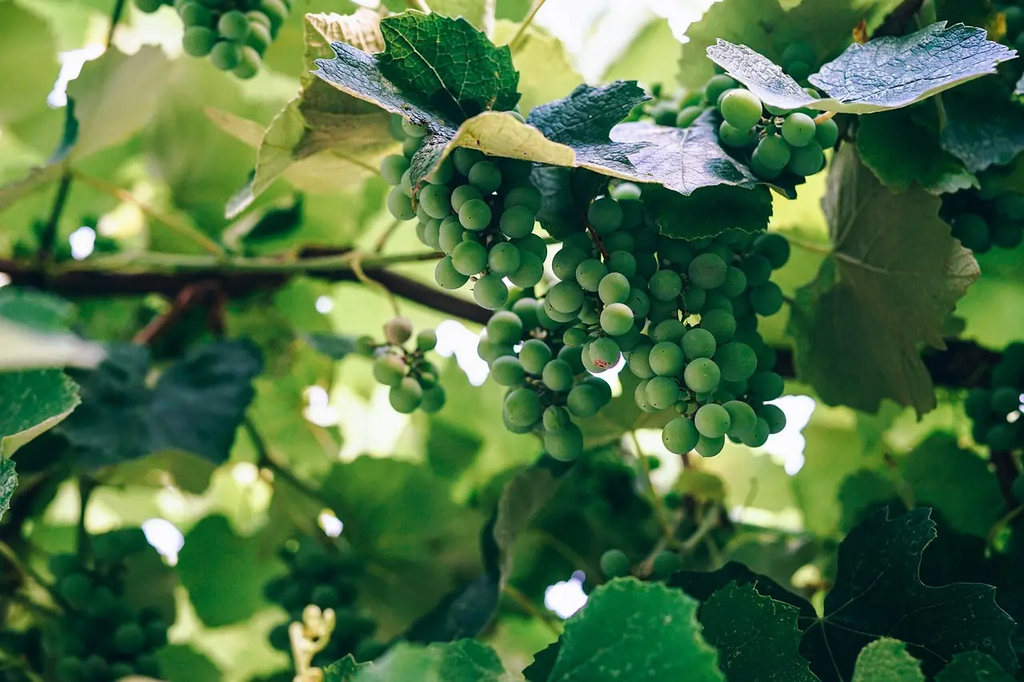
California cuisine is a culinary style emphasizing fresh, locally sourced ingredients, often highlighting the region’s diverse agricultural bounty. Its farm-to-table roots reflect a commitment to sustainability, seasonality, and direct relationships with farmers. This approach encourages creative, health-conscious dishes that blend global influences with Californian produce. The movement began in the 1970s, championed by chefs like Alice Waters, and has since shaped modern American dining by prioritizing quality, flavor, and environmental responsibility.
California cuisine and the farm-to-table roots
California cuisine is a culinary style emphasizing fresh, locally sourced ingredients, often highlighting the region’s diverse agricultural bounty. Its farm-to-table roots reflect a commitment to sustainability, seasonality, and direct relationships with farmers. This approach encourages creative, health-conscious dishes that blend global influences with Californian produce. The movement began in the 1970s, championed by chefs like Alice Waters, and has since shaped modern American dining by prioritizing quality, flavor, and environmental responsibility.
💡 Key Takeaways
- Identify the core ideas of California cuisine: fresh, locally sourced ingredients and seasonality.
- Explain the farm-to-table philosophy: sustainability, seasonal menus, and direct relationships with farmers.
- Understand how California's diverse agriculture shapes flavor, creativity, and menu design.
- Recognize the place of California cuisine in American culinary history and its influence on modern dining.
❓ Frequently Asked Questions
What is California cuisine?
A culinary style that emphasizes fresh, locally sourced ingredients from California’s diverse agricultural bounty, often blending global influences with seasonal, light preparations.
What does farm-to-table mean in this context?
Sourcing ingredients directly from local farmers and producers to prioritize freshness, sustainability, and strong regional connections.
How does seasonality influence California cuisine?
Dishes are built around what’s harvested locally each season, highlighting peak flavors and textures while reducing waste.
Why are direct relationships with farmers important?
They enable better traceability and quality, support sustainable farming practices, and help menus adapt to what’s available in the region.