Camera operation involves understanding and managing the technical aspects of a camera, such as focus, exposure, white balance, and frame rate, to capture high-quality images or videos. Lenses play a crucial role by determining the field of view, depth of field, and image sharpness. Different lenses, such as wide-angle, telephoto, or prime, offer various creative possibilities, allowing camera operators to achieve desired visual effects and storytelling techniques in their work.
Camera Operation & Lenses
Camera operation involves understanding and managing the technical aspects of a camera, such as focus, exposure, white balance, and frame rate, to capture high-quality images or videos. Lenses play a crucial role by determining the field of view, depth of field, and image sharpness. Different lenses, such as wide-angle, telephoto, or prime, offer various creative possibilities, allowing camera operators to achieve desired visual effects and storytelling techniques in their work.
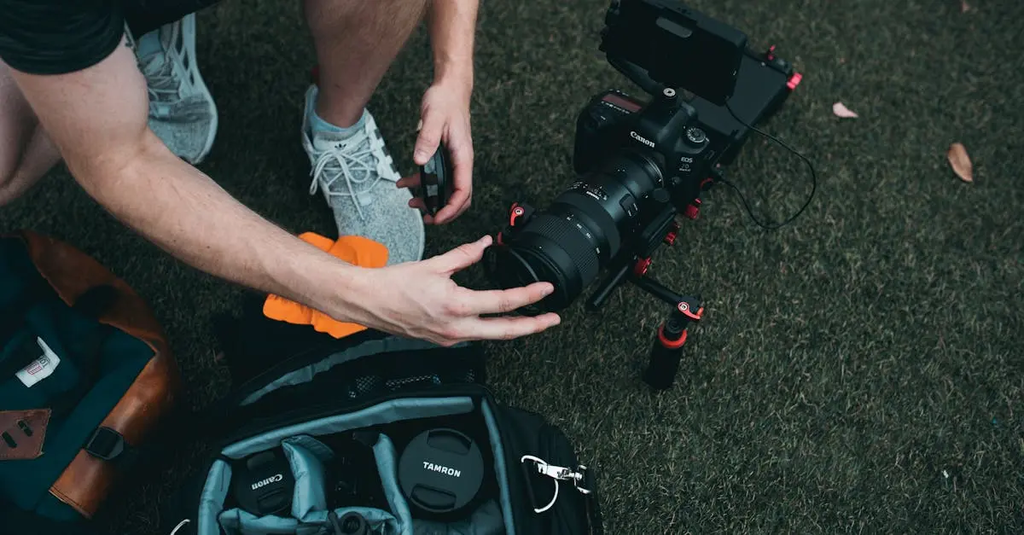
💡 Key Takeaways
- Master core camera controls: focus, exposure, white balance, and frame rate to capture sharp photos and smooth videos.
- Learn how lens choice affects field of view, depth of field, and image sharpness.
- Compare prime and zoom lenses and know when to use each.
- Practice a basic shooting workflow: composition, metering, and evaluating exposure in different lighting.
❓ Frequently Asked Questions
What is camera operation?
Camera operation involves using controls like focus, exposure, white balance, and frame rate to capture sharp, well-exposed images or videos.
How do you control exposure?
Exposure is the amount of light hitting the sensor and is adjusted with aperture, shutter speed, and ISO to prevent under- or overexposure.
What does white balance do?
White balance adjusts color temperature so colors look natural under different lighting, preventing color casts.
What is frame rate and why does it matter for video?
Frame rate is the number of frames captured per second; higher fps yields smoother motion, while lower fps can look more cinematic (e.g., 24fps).
How do lenses affect field of view and depth of field?
Lenses determine field of view (focal length) and depth of field: longer focal lengths narrow the view and blur the background more; shorter focal lengths widen the view and increase sharpness across more of the scene.