"Camera Operation for Beginners (Creative Careers & Media)" refers to the foundational skills and techniques needed to handle and use cameras effectively, particularly for those interested in creative fields such as photography, filmmaking, or media production. It covers basic camera functions, shot composition, lighting, and movement, providing essential knowledge for aspiring professionals seeking to build a career in visual storytelling or media-related industries.
Camera Operation for Beginners
"Camera Operation for Beginners (Creative Careers & Media)" refers to the foundational skills and techniques needed to handle and use cameras effectively, particularly for those interested in creative fields such as photography, filmmaking, or media production. It covers basic camera functions, shot composition, lighting, and movement, providing essential knowledge for aspiring professionals seeking to build a career in visual storytelling or media-related industries.
💡 Key Takeaways
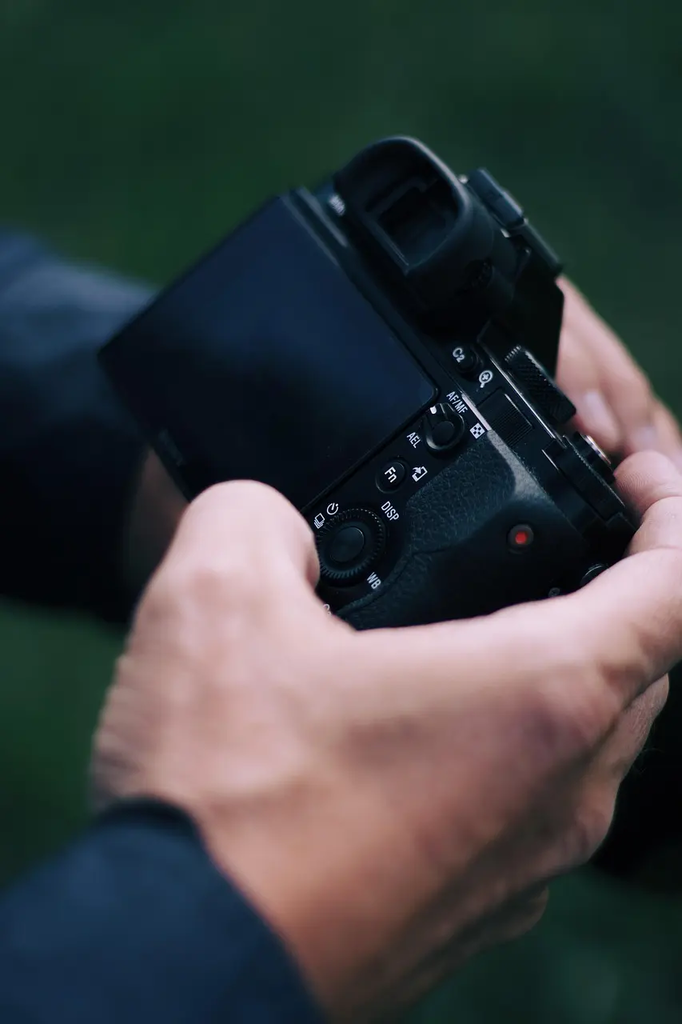
- Understand common camera modes (Auto, Manual, Aperture Priority, Shutter Priority) and when to use them
- Master exposure basics: shutter speed, aperture, ISO, and how they affect brightness and motion
- Learn focusing and composition basics: autofocus vs manual focus, framing, and the rule of thirds
- Know image quality options and settings: JPEG vs RAW, white balance, and metering for different scenes
❓ Frequently Asked Questions
How do I hold a camera to minimize shake?
Stand with feet shoulder‑width apart, elbows tucked in, left hand under the lens for support, right hand on the grip, and gently press the shutter or use a timer/remote. Enable image stabilization if available.
What is the exposure triangle and its three parts?
Aperture, shutter speed, and ISO. They control brightness, depth of field, motion blur, and noise. Adjust one and balance the others to achieve proper exposure.
When should I use Auto, Program (P), Shutter Priority (S/Tv), or Aperture Priority (A/Av) modes?
Auto is easiest for beginners. Program gives some control with automatic settings. Shutter Priority lets you choose motion by setting shutter speed; Aperture Priority lets you control depth of field by choosing the aperture.
What is RAW vs JPEG, and when should I shoot RAW?
JPEG is a processed, smaller file ready to share. RAW contains unprocessed data for maximum editing flexibility. Start with JPEG; consider RAW (or RAW+JPEG) if you plan edits or need more latitude in post-processing.