Camouflage in nature refers to the ability of animals, plants, or organisms to blend into their surroundings, making them difficult to detect by predators or prey. This adaptation often involves colors, patterns, or shapes that mimic the environment, such as leaves, rocks, or tree bark. By being hidden in plain sight, these creatures increase their chances of survival, either by avoiding predators or by sneaking up on unsuspecting prey.
Camouflage in Nature+50
Camouflage in nature refers to the ability of animals, plants, or organisms to blend into their surroundings, making them difficult to detect by predators or prey. This adaptation often involves colors, patterns, or shapes that mimic the environment, such as leaves, rocks, or tree bark. By being hidden in plain sight, these creatures increase their chances of survival, either by avoiding predators or by sneaking up on unsuspecting prey.
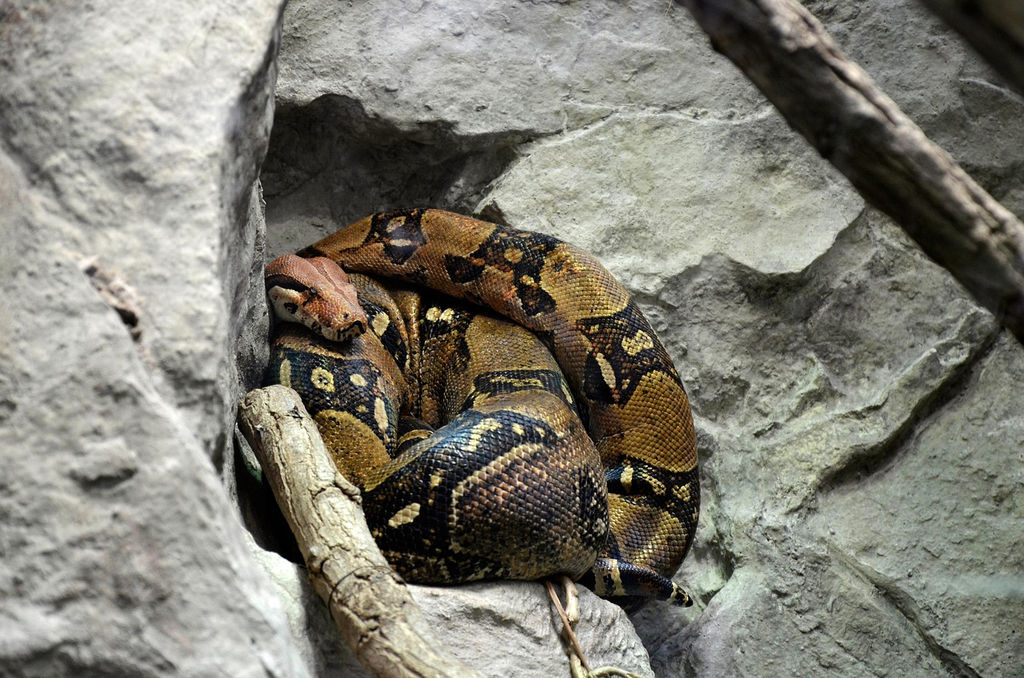
💡 Key Takeaways
- Explain how camouflage helps animals survive by hiding from predators and assisting hunting.
- Identify major camouflage strategies: cryptic coloration, disruptive patterns, and mimicry.
- Provide examples of camouflage across habitats (forest, desert, ocean).
- Describe how light, background, and movement influence camouflage effectiveness.
❓ Frequently Asked Questions
What is camouflage in nature?
Camouflage is the ability of an organism to blend into its surroundings to avoid detection by predators or prey.
What are common camouflage strategies used by animals?
Common strategies include background matching (color/pattern matching the environment), disruptive coloration (patterns that break the outline), countershading (light belly, dark back), transparency, and mimicry.
Can you name some famous camouflage examples?
Peppered moths, chameleons, octopuses and cuttlefish, leaf-tailed geckos, and stick insects are well-known examples.
How does camouflage help organisms survive?
It reduces detection by predators and prey, increasing survival and feeding success.
How can you observe camouflage in your environment?
Look for animals that blend with bark, leaves, or rocks; scan backgrounds slowly and notice color or texture changes with the seasons.