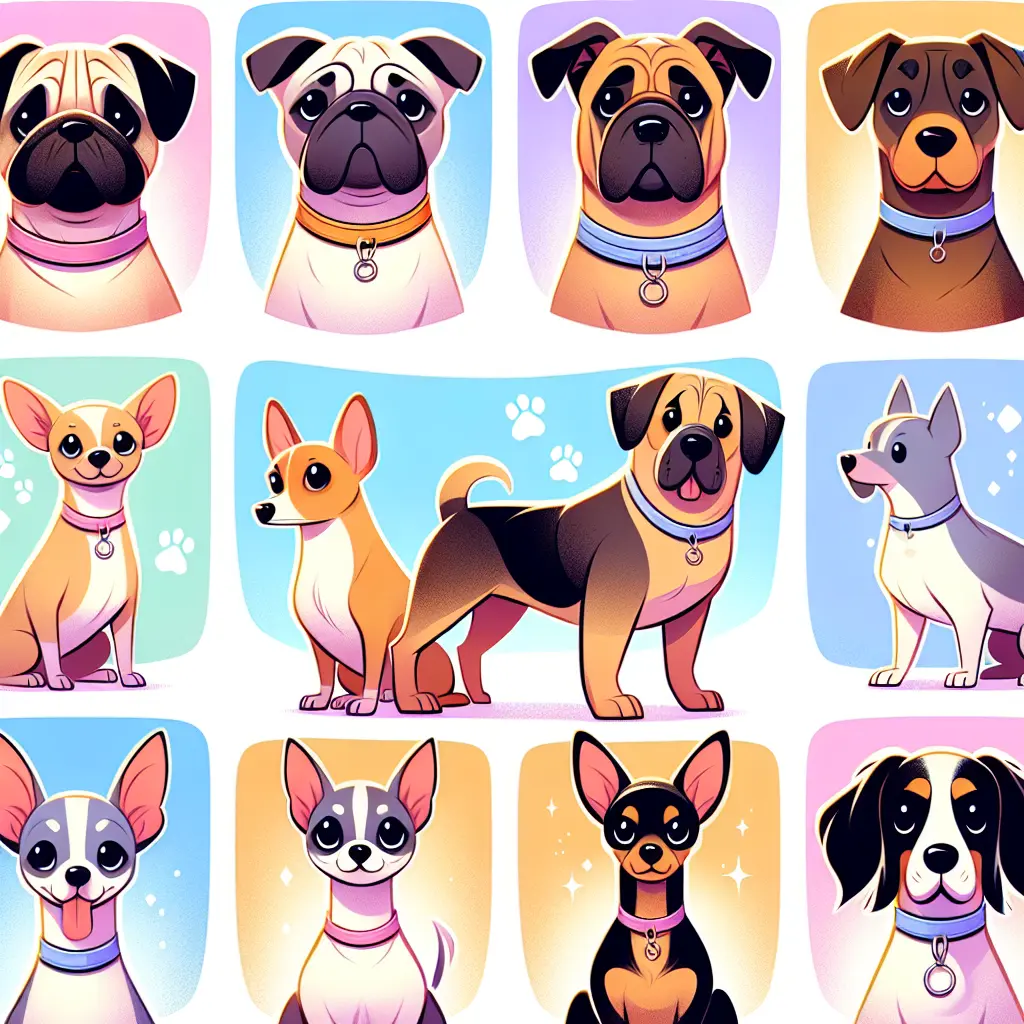
Canine breed groups categorize dogs based on shared characteristics, origins, and historical functions, such as herding, sporting, working, hound, terrier, toy, non-sporting, and miscellaneous groups. Each group exhibits distinct traits, including temperament, energy levels, intelligence, and physical abilities. Understanding breed groups and their traits helps owners select suitable companions and anticipate behavioral tendencies, care requirements, and training needs associated with each group.
Canine Breed Groups and Traits
Canine breed groups categorize dogs based on shared characteristics, origins, and historical functions, such as herding, sporting, working, hound, terrier, toy, non-sporting, and miscellaneous groups. Each group exhibits distinct traits, including temperament, energy levels, intelligence, and physical abilities. Understanding breed groups and their traits helps owners select suitable companions and anticipate behavioral tendencies, care requirements, and training needs associated with each group.
💡 Key Takeaways
- Identify the eight canine breed groups (herding, sporting, working, hound, terrier, toy, non-sporting, and miscellaneous) and their historical functions.
- Describe typical traits for each group, including temperament, energy level, intelligence, and physique.
- Explain how breed group influences exercise needs, training approaches, and daily care requirements.
- Match example breeds to their breed group and predict related behaviors based on the group’s traits.
❓ Frequently Asked Questions
What are the main canine breed groups mentioned?
The groups are: herding, sporting, working, hound, terrier, toy, non-sporting, and miscellaneous. They reflect shared origins, functions, and typical traits.
Which groups tend to have higher energy and exercise needs?
Herding, Sporting, and Working breeds typically require more daily exercise and mental stimulation; hounds can be energetic too due to scent drives.
What traits should you consider beyond size when thinking about a breed group?
Temperament, energy level, trainability, grooming needs, and health considerations associated with the group.
How can you use breed group knowledge to answer quiz questions about dogs?
By linking the group's typical function and traits (e.g., herding = intelligent and active; toy = companion-focused) to infer likely temperament, exercise needs, and care.