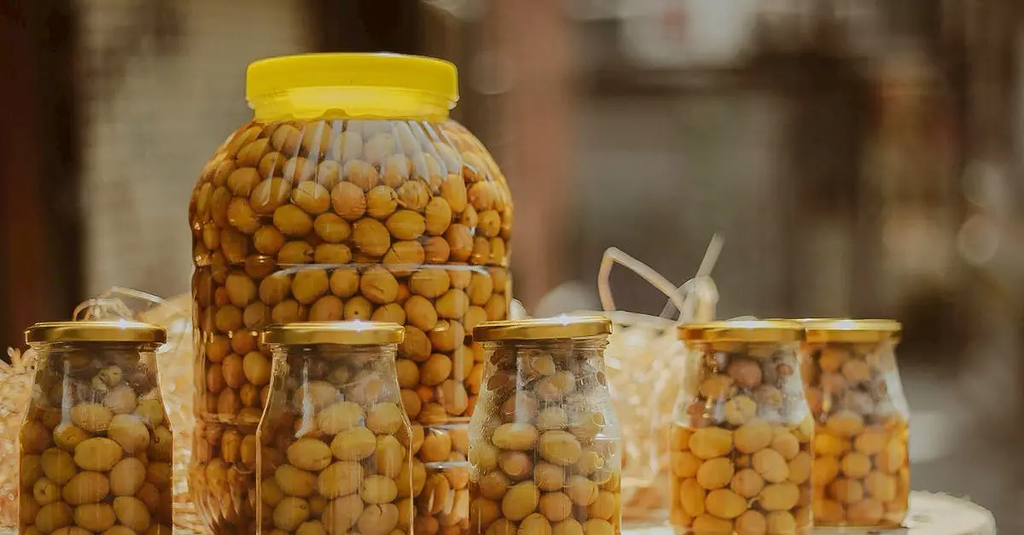
Canning revolutionized food preservation by allowing fruits, vegetables, meats, and other perishables to be stored safely for long periods. This innovation led to the rise of pantry staples—essential food items that could be kept on hand and used year-round. As a result, households gained greater food security, convenience, and variety, fundamentally changing eating habits and enabling people to enjoy seasonal foods regardless of the time of year.
Canning and the rise of pantry staples
Canning revolutionized food preservation by allowing fruits, vegetables, meats, and other perishables to be stored safely for long periods. This innovation led to the rise of pantry staples—essential food items that could be kept on hand and used year-round. As a result, households gained greater food security, convenience, and variety, fundamentally changing eating habits and enabling people to enjoy seasonal foods regardless of the time of year.
💡 Key Takeaways
- Understand how canning enabled safe long-term storage of fruits, vegetables, meats, and other perishables.
- Explore how canned goods contributed to the rise of pantry staples and year-round access to essential ingredients.
- Identify key milestones in the history of canning (home vs. industrial) and their impact on American cooking and households.
- Analyze how canning influenced meal planning, nutrition, and reducing food waste in American kitchens.
❓ Frequently Asked Questions
What is canning and why is it important in American culinary history?
Canning preserves foods in sealed jars using heat to kill microbes, enabling long-term storage and year-round access to fruits, vegetables, meats, and other perishables—helping households plan meals and enjoy seasonal flavors all year.
What is the difference between water bath canning and pressure canning, and when is each used?
Water bath canning uses boiling water to process high-acid foods (like fruits, jams, and pickles) safely, while pressure canning reaches higher temperatures to safely process low-acid foods (like vegetables and meats).
How long do canned foods last and how can you tell if a jar is safe to eat?
Canned foods stay safe and retain quality best within about one year when stored cool and dark. Discard any jar with a bulging lid, leaks, broken seals, spurting contents, or off smells/color.
What are pantry staples and how did canning help create them?
Pantry staples are essential, shelf-stable foods kept on hand. Canning made many items like tomatoes, beans, fruits, and jams reliably available year‑round, boosting meal planning and food security.