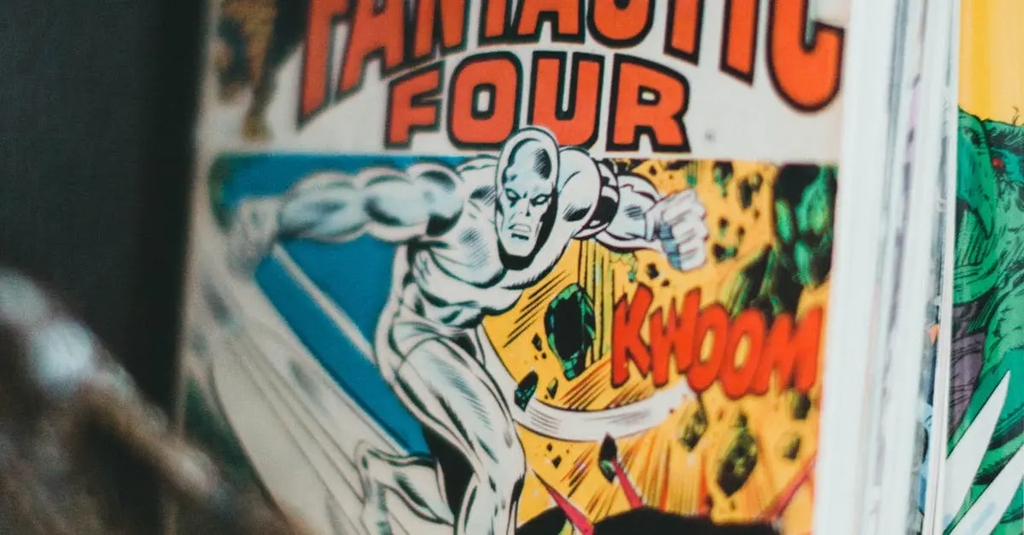
"Canonical vs Non-Canonical" refers to the distinction between what is officially accepted as standard or authoritative (canonical) and what falls outside those established norms (non-canonical). In literature, religion, or media franchises, canonical works are recognized as part of the original storyline or doctrine, while non-canonical ones are unofficial, alternative, or speculative. This distinction helps maintain consistency and clarity within a given field or narrative universe.
Canonical vs Non-Canonical
"Canonical vs Non-Canonical" refers to the distinction between what is officially accepted as standard or authoritative (canonical) and what falls outside those established norms (non-canonical). In literature, religion, or media franchises, canonical works are recognized as part of the original storyline or doctrine, while non-canonical ones are unofficial, alternative, or speculative. This distinction helps maintain consistency and clarity within a given field or narrative universe.
💡 Key Takeaways
- Define canonical vs non-canonical in superhero comics and media.
- Explain how canon is established: continuity, retcons, and alternate universes.
- Differentiate between mainline continuities, spin-offs, reboots, and fanon.
- Assess how canonical status influences character arcs, powers, and cross-title storytelling.
❓ Frequently Asked Questions
What does canonical mean in superhero comics and franchises?
Canonical means officially part of the core story world as defined by the publisher or rights holder; events, characters, and timelines labeled as canon count toward the official continuity.
How is canon established or changed in a franchise?
Canon is set by official publications and editorial direction. Retcons, crossovers, and major events can redefine continuity, and publishers may maintain multiple canons (mainline vs. alternate universes).
What is the difference between canonical and non-canonical stories?
Canonical stories are in-continuity and affect the official timeline; non-canonical stories are outside that continuity and do not alter the main storyline.
Are alternate timelines, reboots, or movie adaptations always canonical?
Not always. Some reboots or adaptations are integrated into the official canon; others exist as separate or alternate canons. Check official statements for each franchise.