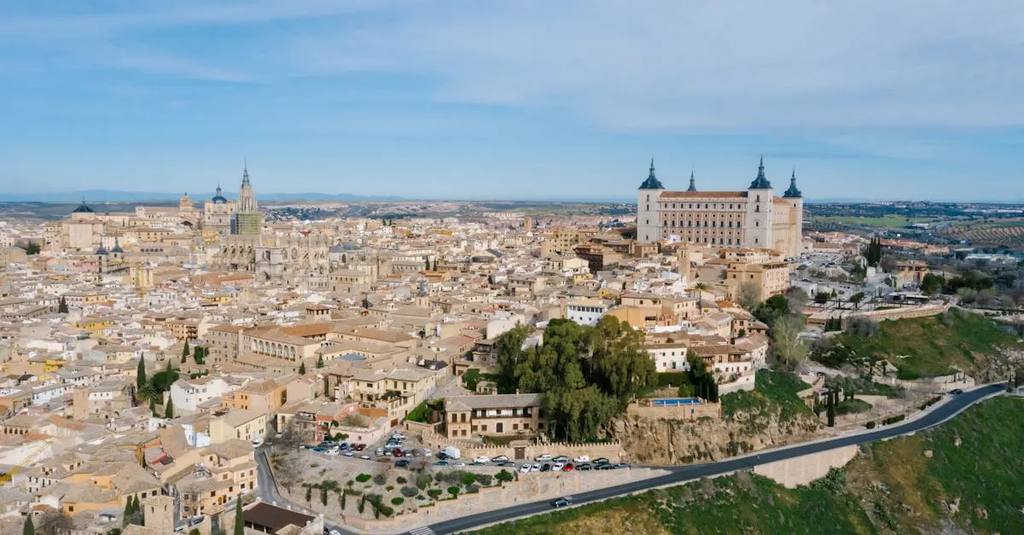
Capital Cities Details refers to comprehensive information about the principal cities where a nation’s government is headquartered. These details typically include the city’s name, geographical location, population, historical significance, political and administrative roles, cultural highlights, and key landmarks. Such information helps in understanding the importance of capital cities in national governance, their influence on the country’s identity, and their role as centers for political, economic, and cultural activities.
Capital Cities Details
Capital Cities Details refers to comprehensive information about the principal cities where a nation’s government is headquartered. These details typically include the city’s name, geographical location, population, historical significance, political and administrative roles, cultural highlights, and key landmarks. Such information helps in understanding the importance of capital cities in national governance, their influence on the country’s identity, and their role as centers for political, economic, and cultural activities.

💡 Key Takeaways
- Define a capital city and explain its primary political and administrative function.
- Identify the essential details to know about a capital: name, geographic location, and population.
- Explain how a capital's history and geography shape its development and significance.
- Recognize cultural highlights and landmarks commonly associated with capital cities.
❓ Frequently Asked Questions
What is a capital city?
A capital is a country’s primary seat of government, typically hosting the main legislative, executive, and judicial institutions and often serving as the historic or symbolic center of the nation.
What kinds of information are typically included about a capital city?
Common details include the city’s name, geographical location, population, historical significance, political/administrative roles, and notable cultural or civic features.
Can a capital city be smaller than the country’s largest city?
Yes. A capital isn’t always the largest city; it’s chosen for governance, security, or historical reasons (examples: Ottawa, Brasília, Canberra).
Why do some countries move their capital?
To improve governance, promote regional development, enhance security, or better reflect political power and national identity.