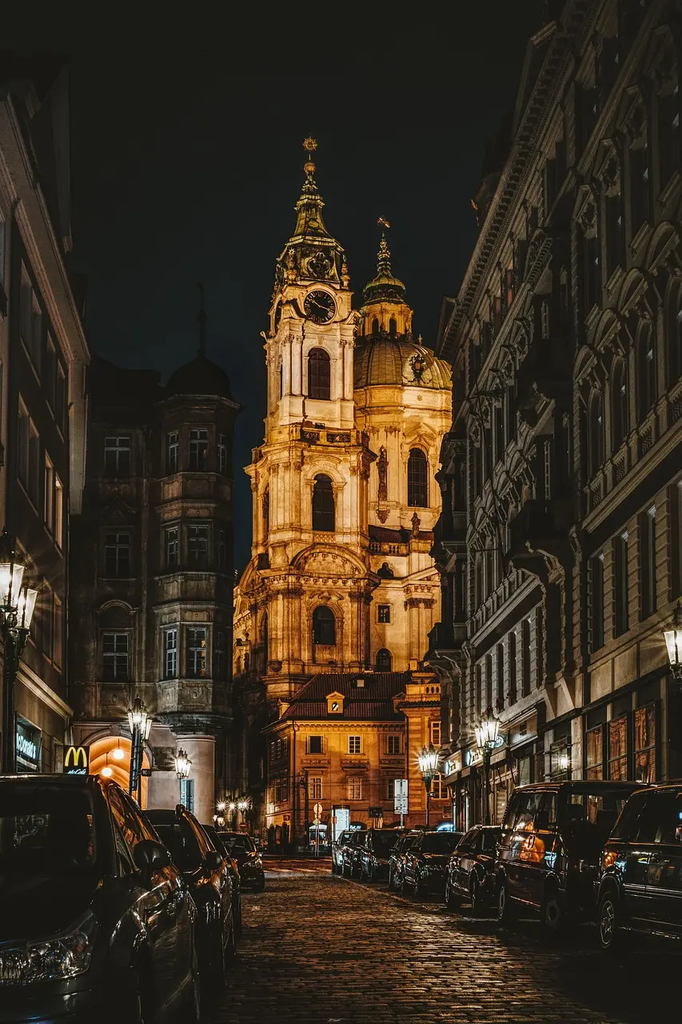
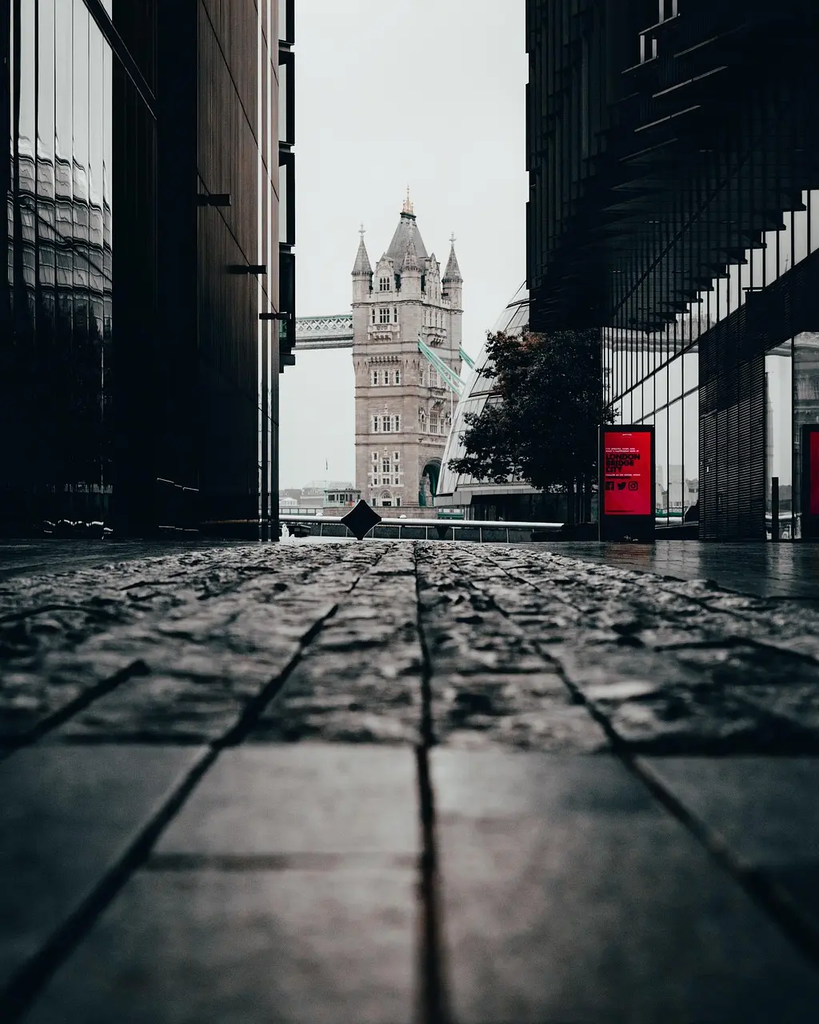
"Capital Cities of Europe: Beginners" refers to an introductory guide or resource designed to help newcomers learn about the capital cities of European countries. It typically provides basic information such as the names of the capitals, their locations, and key facts, making it accessible for those with little or no prior knowledge. This resource is ideal for students, travelers, or anyone interested in familiarizing themselves with European geography in a simple, straightforward manner.
Capital Cities of Europe: Beginners
"Capital Cities of Europe: Beginners" refers to an introductory guide or resource designed to help newcomers learn about the capital cities of European countries. It typically provides basic information such as the names of the capitals, their locations, and key facts, making it accessible for those with little or no prior knowledge. This resource is ideal for students, travelers, or anyone interested in familiarizing themselves with European geography in a simple, straightforward manner.

💡 Key Takeaways
- Identify the capital city for each European country covered.
- Locate each capital on a map of Europe and link it to its country.
- Recall basic facts about each capital (country, approximate location, and a famous landmark).
- Understand common patterns and differences between capitals and largest cities.
❓ Frequently Asked Questions
What is a capital city?
The primary political and administrative center of a country where the government is based.
Are capitals always the largest city?
No. Capitals are chosen for political or historical reasons and may not be the biggest city.
Do some countries have more than one capital?
Yes. Some nations use different cities for different branches of government or have a historic capital alongside the current one. For example, the Netherlands uses Amsterdam as the official capital while the government sits in The Hague; South Africa has three capitals: Pretoria, Cape Town, and Bloemfontein.
How do I use this guide to answer quiz questions?
Look up the country in the guide to learn its capital and a quick fact, then use a map to reinforce the location.
What are good study tips for memorizing European capitals?
Practice with a blank map, use flashcards, group capitals by region, and test yourself regularly.