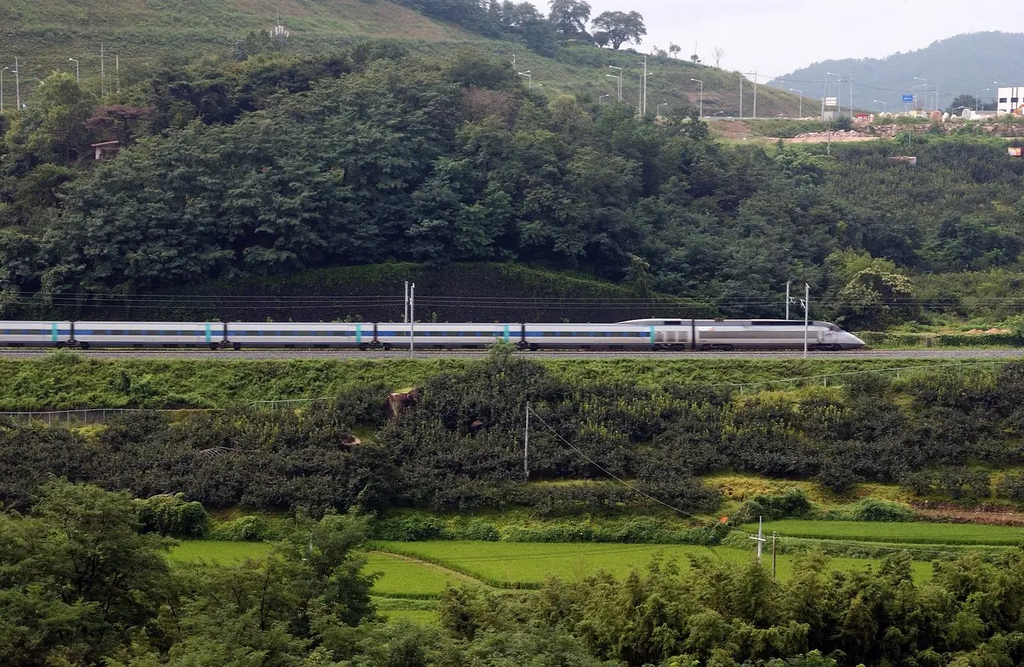
Capitals and high-speed rail networks refer to the connection of major political and administrative cities through advanced train systems capable of rapid travel. These networks enhance accessibility, foster economic growth, and promote regional integration by enabling efficient movement of people and goods. Linking capitals with high-speed rail reduces travel times, encourages tourism, and supports sustainable transportation, ultimately strengthening national unity and development by bridging distances between key urban centers.
Capitals and High-Speed Rail Networks
Capitals and high-speed rail networks refer to the connection of major political and administrative cities through advanced train systems capable of rapid travel. These networks enhance accessibility, foster economic growth, and promote regional integration by enabling efficient movement of people and goods. Linking capitals with high-speed rail reduces travel times, encourages tourism, and supports sustainable transportation, ultimately strengthening national unity and development by bridging distances between key urban centers.
💡 Key Takeaways
- Identify how high-speed rail networks connect capital cities with other major urban centers and government hubs.
- Explain how faster travel between capitals and key cities boosts accessibility, economic activity, and regional integration.
- Describe the urban planning and social impacts of capital-connected rail networks, including commuting patterns and land use.
- Analyze common challenges in developing and maintaining high-speed rail links for capitals, such as funding, geography, and sustainability.
❓ Frequently Asked Questions
What is a capital city?
The capital is a country’s primary political and administrative center, typically hosting government institutions and official residences.
What defines a high-speed rail network?
High-speed rail uses faster trains (often 250 km/h or more) on upgraded or dedicated tracks with advanced signaling for rapid, reliable travel.
Why are capitals connected by high-speed rail often important?
Connecting capitals with fast rail improves accessibility, reduces travel times between political hubs, and supports economic growth and regional integration.
How can high-speed rail influence geography and quiz questions?
It highlights how infrastructure links capital cities to other major centers, shaping travel, trade, and population movement in a region.