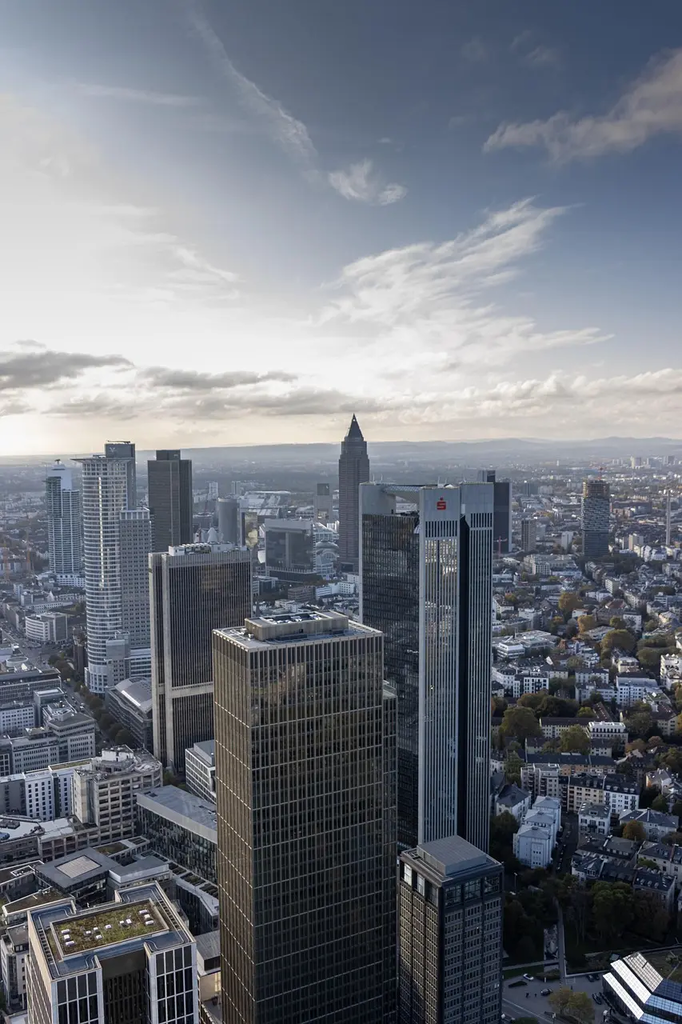
"Capitals and Renewable Energy Transitions" refers to the pivotal role that capital cities play in shifting from traditional energy sources to renewable alternatives. These urban centers often spearhead policy innovation, infrastructure investment, and public awareness campaigns, driving national agendas for sustainable energy. Their economic resources, technological advancements, and political influence enable them to implement large-scale renewable projects, setting examples for other regions and accelerating the global transition to cleaner energy systems.
Capitals and Renewable Energy Transitions
"Capitals and Renewable Energy Transitions" refers to the pivotal role that capital cities play in shifting from traditional energy sources to renewable alternatives. These urban centers often spearhead policy innovation, infrastructure investment, and public awareness campaigns, driving national agendas for sustainable energy. Their economic resources, technological advancements, and political influence enable them to implement large-scale renewable projects, setting examples for other regions and accelerating the global transition to cleaner energy systems.

💡 Key Takeaways
- Understand how capital cities drive national energy transitions through policy leadership, investment, and public awareness.
- Learn how capitals pilot renewable energy projects, grid upgrades, and energy-efficiency initiatives.
- Explore the role of capitals in coordinating stakeholders, funding mechanisms, and international climate collaboration for renewables.
- Compare how capitals' strategies reflect national renewable targets and urban planning influences.
❓ Frequently Asked Questions
What does 'Capitals and Renewable Energy Transitions' refer to?
It explores how capital cities lead shifts from fossil fuels to renewable energy through policy, investment, and public campaigns.
What is a renewable energy transition in a city context?
A move from coal/oil to renewables (solar, wind, hydro) with upgrades to grids, storage, and demand management.
Why do capitals often drive national energy policy?
Capitals concentrate political power, funding decisions, and media influence, enabling rapid policy pilots and scaling ideas.
What indicators show a capital-led energy transition is progressing?
Rising renewable share in electricity, new clean energy infrastructure, city carbon targets, green procurement, and public awareness campaigns.