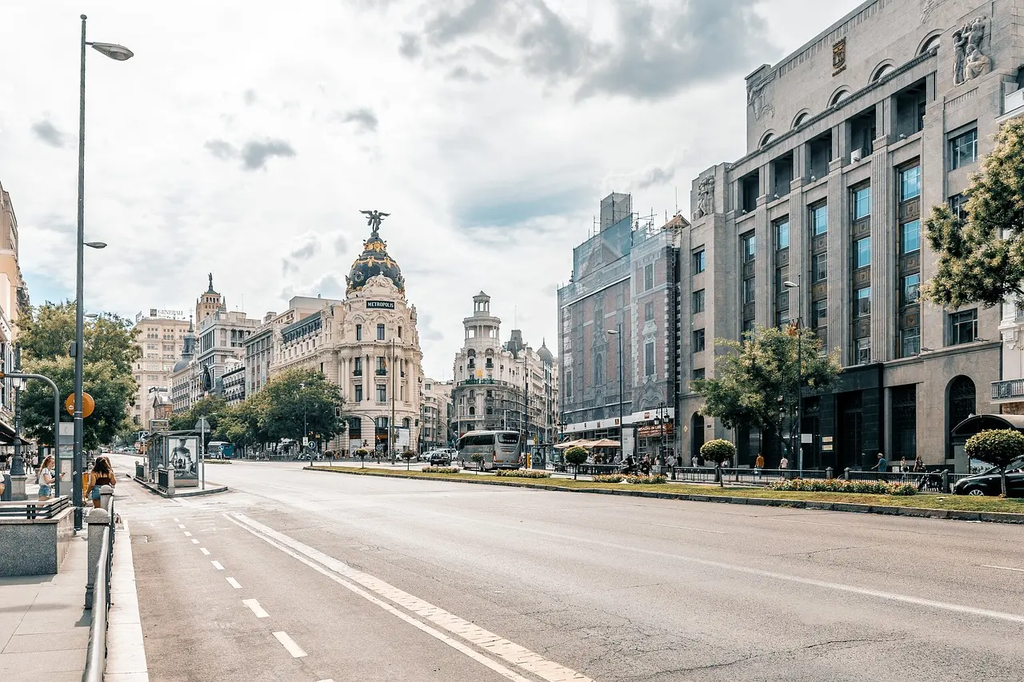
“Capitals and Strategic Maritime Chokepoints” refers to the significance of major political centers (capitals) and narrow, critical sea passages that control global shipping routes. Capitals often serve as hubs of governance and decision-making, while strategic maritime chokepoints like the Strait of Hormuz or the Suez Canal are vital for international trade and security. Control over these chokepoints can influence economic stability, military strategy, and geopolitical power.
Capitals and Strategic Maritime Chokepoints
“Capitals and Strategic Maritime Chokepoints” refers to the significance of major political centers (capitals) and narrow, critical sea passages that control global shipping routes. Capitals often serve as hubs of governance and decision-making, while strategic maritime chokepoints like the Strait of Hormuz or the Suez Canal are vital for international trade and security. Control over these chokepoints can influence economic stability, military strategy, and geopolitical power.
💡 Key Takeaways
- Identify major world capitals and their countries.
- Explain what strategic maritime chokepoints are and why they matter for global trade.
- Name key chokepoints (e.g., Strait of Hormuz, Strait of Malacca, Suez Canal, Panama Canal) and describe their impact on shipping routes.
- Understand how capitals act as governance hubs and influence maritime policy and security decisions.
❓ Frequently Asked Questions
What is a capital city and why is it significant in geopolitics?
A capital is a country’s main political center, housing government institutions and diplomacy. Its location and leadership shape policy, security, and international relations.
What is a maritime chokepoint and why does it matter for global trade?
A chokepoint is a narrow sea passage where ship traffic is concentrated. Control or disruption there can affect shipping routes, transit times, and the flow of oil and goods.
Name some major maritime chokepoints and why they are important.
Suez Canal (links the Mediterranean with the Red Sea, shortening Europe-Asia routes); Strait of Hormuz (critical for Persian Gulf oil); Strait of Malacca (busiest Asia-Pacific shipping lane); Bab el-Mandeb (gateway to the Red Sea and Suez); Panama Canal (connects Atlantic and Pacific oceans).
How do capitals and maritime chokepoints interact in geopolitics?
Capitals set policies on trade, security, and diplomacy, while chokepoints shape how easily ships can move. Together, they influence international relations, security concerns, and global supply chains.