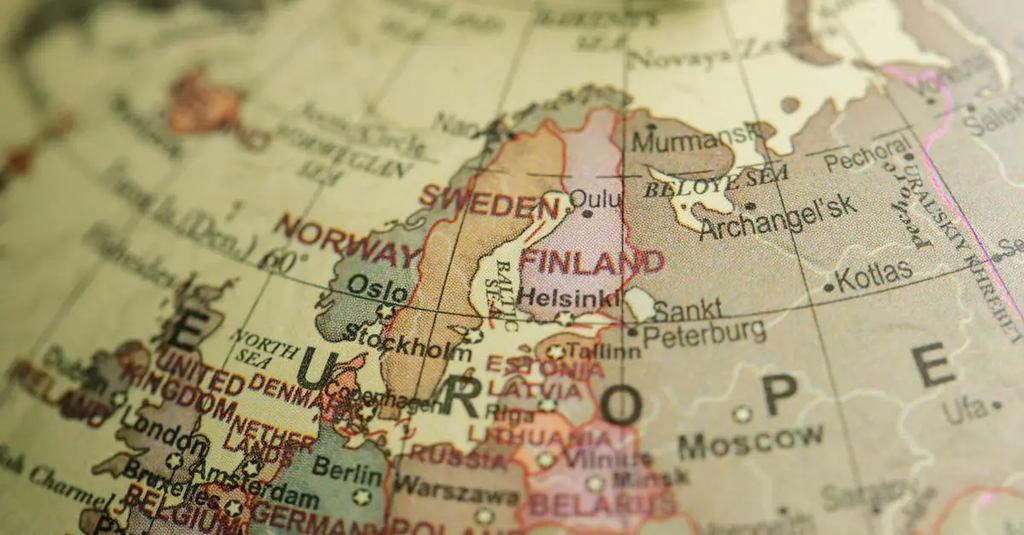
This phrase refers to capital cities located at high latitudes, meaning they are situated far north or south of the equator, close to the Earth's polar regions. Such capitals often experience cold climates, long winters, and significant variations in daylight throughout the year. Their proximity to the poles influences their weather patterns, culture, architecture, and daily life, making them unique among the world's major cities.
Capitals at High Latitudes and Polar Proximity
This phrase refers to capital cities located at high latitudes, meaning they are situated far north or south of the equator, close to the Earth's polar regions. Such capitals often experience cold climates, long winters, and significant variations in daylight throughout the year. Their proximity to the poles influences their weather patterns, culture, architecture, and daily life, making them unique among the world's major cities.
💡 Key Takeaways
- Identify capital cities located at high latitudes near the polar regions (e.g., Reykjavik, Nuuk, Helsinki, Oslo, Stockholm).
- Explain how extreme daylight variation (midnight sun and polar night) affects daily life, culture, and routines in these capitals.
- Describe climate patterns typical of high-latitude capitals and how geography shapes weather, seasons, and comfort.
- Explore urban design and infrastructure adaptations (energy use, heating, snow management, transport) in polar-proximity capitals.
❓ Frequently Asked Questions
What does 'capitals at high latitudes' mean in this quiz?
It refers to capital cities located far from the equator, typically above about 60° latitude in the Northern Hemisphere or below 60°S in the Southern Hemisphere, where proximity to polar regions affects climate and daylight.
Why do these capitals have long winters and daylight variation?
Because they lie near the poles where the tilt of Earth's axis causes extreme seasonal changes, with longer days in summer and shorter days in winter.
Which capitals are commonly considered high-latitude examples?
Reykjavík (Iceland), Oslo (Norway), Helsinki (Finland), Stockholm (Sweden), and Moscow (Russia) are examples of capitals at relatively high latitudes.
Do high-latitude capitals always have freezing temperatures year-round?
No. While winters are cold, climate varies; some capitals are milder than their latitude due to ocean currents, while others can experience very cold winters.