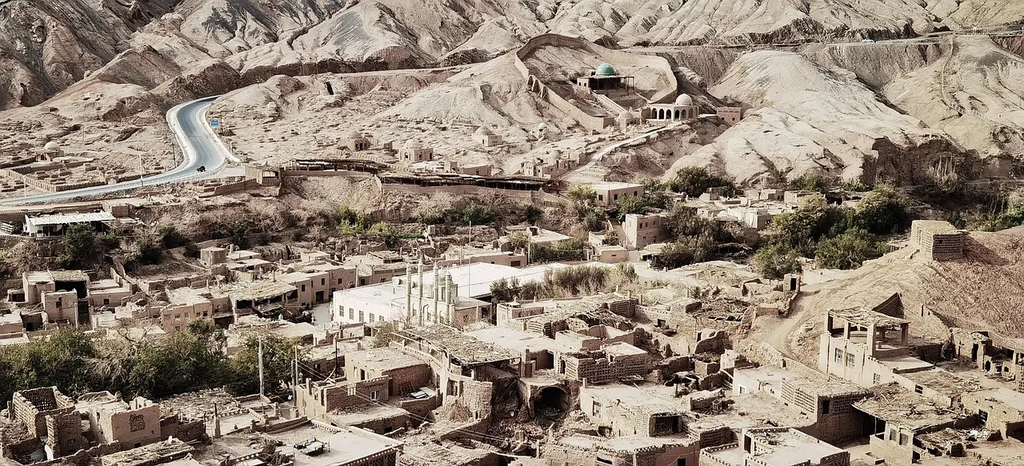
The phrase refers to the principal cities that served as administrative, political, or cultural centers for various caliphates, kingdoms, and dynasties throughout history. These capitals were often hubs of power, governance, and innovation, shaping the regions they controlled. Examples include Baghdad for the Abbasid Caliphate, Constantinople for the Byzantine Empire, and Cairo for the Fatimid Caliphate. Such cities played crucial roles in the development and legacy of their respective realms.
Capitals of Historical Caliphates, Kingdoms, and Dynasties
The phrase refers to the principal cities that served as administrative, political, or cultural centers for various caliphates, kingdoms, and dynasties throughout history. These capitals were often hubs of power, governance, and innovation, shaping the regions they controlled. Examples include Baghdad for the Abbasid Caliphate, Constantinople for the Byzantine Empire, and Cairo for the Fatimid Caliphate. Such cities played crucial roles in the development and legacy of their respective realms.
💡 Key Takeaways
- Identify key capitals—Baghdad, Damascus, Cairo, Isfahan, Istanbul, Delhi—and the empires they served.
- Understand why capitals were chosen and why they moved—factors like security, administration, trade, and symbolic legitimacy.
- See how capitals shaped governance, trade networks, culture, and innovation in their regions.
- Develop map-reading skills to locate these capitals and trace shifts across eras to spot patterns of political change.
❓ Frequently Asked Questions
What is a capital city in the context of historical caliphates, kingdoms, and dynasties?
A capital is the main seat of government and administration for a state—where the ruler's court, key ministries, and central institutions were located.
Why did capitals often move or change in history?
Capitals shifted for strategic defense, economic reasons, political legitimacy, or to reflect a new ruling dynasty; geography and resources also influenced choices.
Can you name a few famous historical capitals and the polities they led?
Examples: Baghdad — Abbasid Caliphate; Damascus — Umayyad Caliphate; Cordoba — Caliphate of Córdoba (Al-Andalus); Cairo — Fatimid Caliphate; Delhi — Mughal Empire.
What clues can help you identify the historical region or era a capital belongs to in the quiz?
Look for dynasty names, regional indicators (e.g., Iberian, Middle Eastern, South Asian), time period cues, and well-known centers of power associated with those polities.