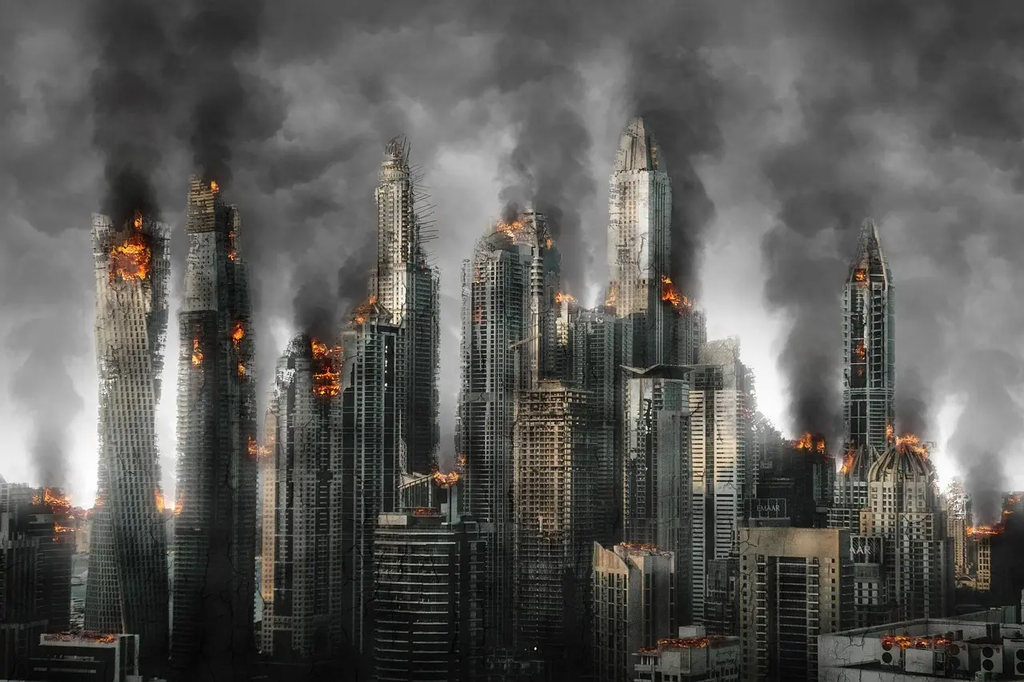
"Capitals with Extreme Climates" refers to capital cities around the world that experience particularly harsh or unusual weather conditions. These extremes may include very high or low temperatures, heavy rainfall, frequent storms, or prolonged droughts. Such climates often shape the daily lives, architecture, infrastructure, and culture of these cities, requiring residents and governments to adapt in unique ways to cope with challenging environmental conditions.
Capitals with Extreme Climates
"Capitals with Extreme Climates" refers to capital cities around the world that experience particularly harsh or unusual weather conditions. These extremes may include very high or low temperatures, heavy rainfall, frequent storms, or prolonged droughts. Such climates often shape the daily lives, architecture, infrastructure, and culture of these cities, requiring residents and governments to adapt in unique ways to cope with challenging environmental conditions.
💡 Key Takeaways
- Identify capitals around the world that endure extreme temperatures, heavy rainfall, droughts, or storms.
- Explain the main geographic factors (latitude, altitude, distance from sea) that drive a capital's extreme climate.
- Describe how climate extremes affect daily life, infrastructure, and planning in these capitals.
- Compare a few case examples to see how extreme climates vary across continents.
❓ Frequently Asked Questions
What defines an extreme climate for a capital city?
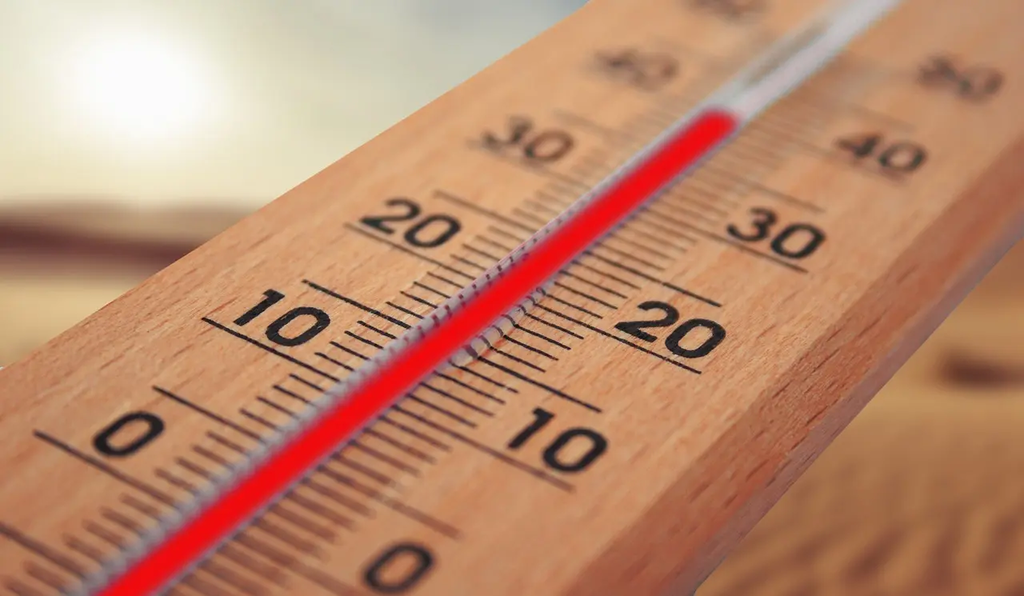
An extreme climate involves unusually harsh or unusual weather—very high or low temperatures, heavy rainfall or drought, strong winds, or large seasonal temperature swings, often with notable record highs or lows.
Which capitals are commonly noted for extreme temperatures?
Examples include Moscow (very cold winters), Ulaanbaatar (extremely cold), Riyadh and Baghdad (scorching heat), New Delhi (very hot summers), and Canberra (large seasonal temperature swings).
How do extreme climates affect daily life in these capitals?
Extreme climates influence clothing, housing design and insulation, energy use for heating or cooling, water management, and transportation planning in daily routines and infrastructure.
How can you verify that a capital has an extreme climate for quiz prep?
Consult reputable climate data from sources like national meteorological services, the World Meteorological Organization, or NASA to compare average temperatures, precipitation, and record extremes.
What climate metrics are useful when studying capitals with extremes?
Key metrics include average high/low temperatures, annual temperature range, total precipitation, rainfall variability, and record high/low temperatures and the presence of extreme weather patterns (monsoons, droughts, storms).