"Capitals with Metro Systems: Global Inventory" refers to a comprehensive list or catalog of capital cities around the world that possess metro or rapid transit rail systems. This inventory highlights urban centers where advanced public transportation infrastructure exists, reflecting a city's commitment to modern mobility solutions and urban development. Such a list can be valuable for urban planners, researchers, and travelers interested in the spread and accessibility of metro networks across global capitals.
Capitals with Metro Systems: Global Inventory
"Capitals with Metro Systems: Global Inventory" refers to a comprehensive list or catalog of capital cities around the world that possess metro or rapid transit rail systems. This inventory highlights urban centers where advanced public transportation infrastructure exists, reflecting a city's commitment to modern mobility solutions and urban development. Such a list can be valuable for urban planners, researchers, and travelers interested in the spread and accessibility of metro networks across global capitals.
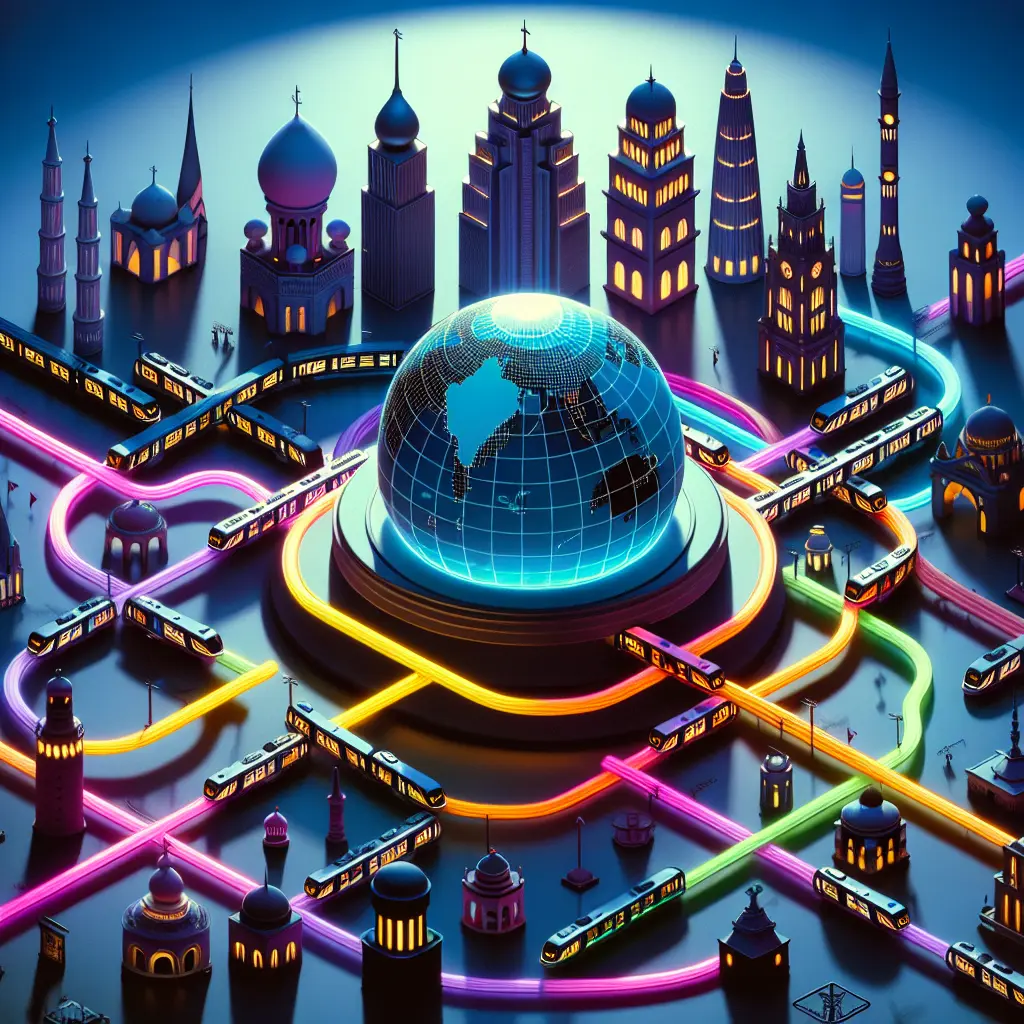
💡 Key Takeaways
- Identify which capital cities worldwide have metro systems and which don’t.
- Recognize regional patterns in metro development across continents (historic European networks, rapid expansion in Asia, newer lines in the Americas and Africa).
- Understand basic metro system features common to capitals (lines, transfers, accessibility, and fare integration).
- Use the global inventory to compare coverage, scale, and growth of capital-city transit networks and infer future needs.
❓ Frequently Asked Questions
What qualifies as a 'metro system' for this inventory?
A rapid-transit rail network serving the capital city, typically underground or elevated, with high capacity and frequent service.
How is the capital determined for inclusion in the list?
The official national capital or seat of government. If a country has multiple capitals or disputed status, the recognized capital is used; cities without a metro are not included.
Can you name some capitals that have metro systems?
Examples include London, Paris, Tokyo, Beijing, Mexico City, and Washington, D.C., among others.
How should I use this inventory when answering the quiz questions?
If a capital is listed, expect questions about its metro features (lines, openings, notable facts). If not listed, the capital likely does not have a metro—use that to eliminate options.