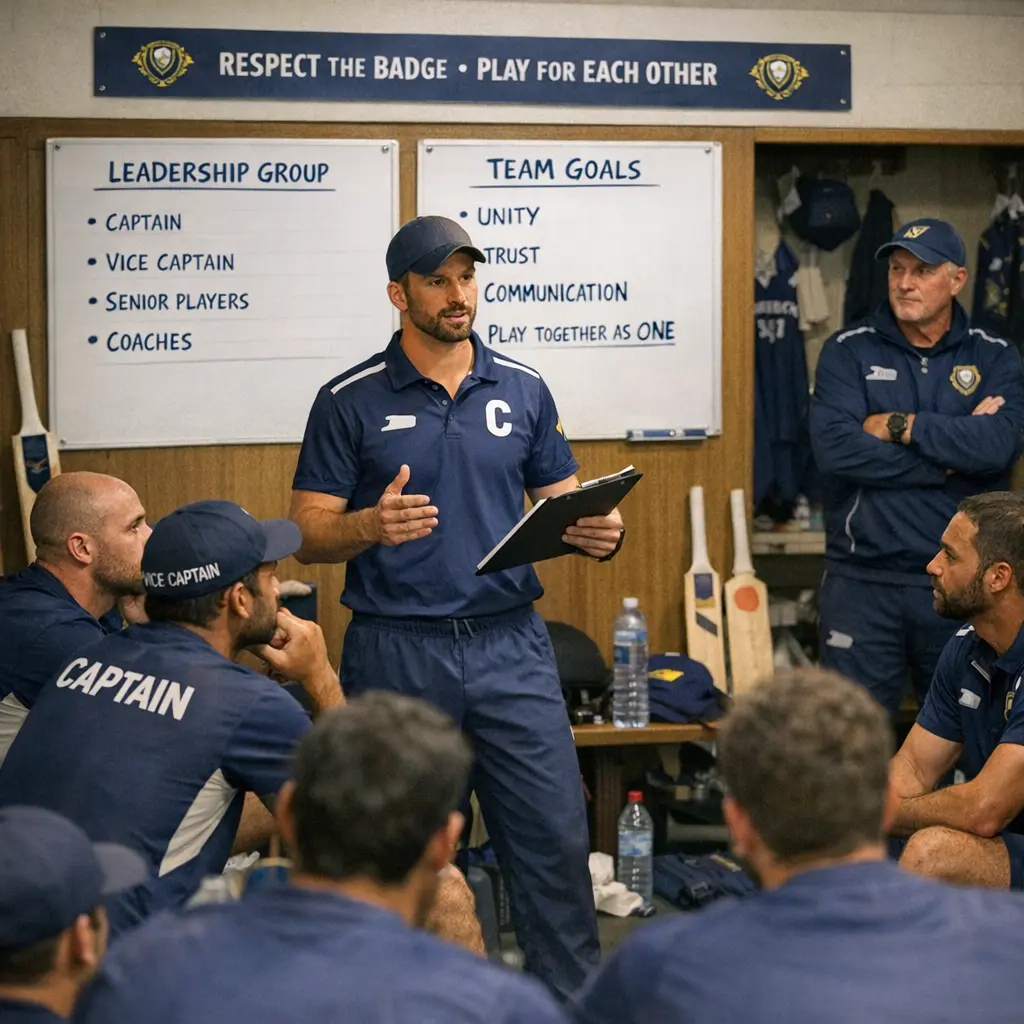
At Tottenham Hotspur F.C., captaincy and leadership groups play a crucial role in shaping dressing room culture. The captain, supported by a core group of experienced players, sets standards for professionalism, discipline, and unity. This leadership collective fosters communication between management and squad, promotes accountability, and helps integrate new players. A positive dressing room culture, built on trust and mutual respect, is essential for team cohesion, resilience, and on-field success.
Captaincy, Leadership Groups & Dressing Room Culture
At Tottenham Hotspur F.C., captaincy and leadership groups play a crucial role in shaping dressing room culture. The captain, supported by a core group of experienced players, sets standards for professionalism, discipline, and unity. This leadership collective fosters communication between management and squad, promotes accountability, and helps integrate new players. A positive dressing room culture, built on trust and mutual respect, is essential for team cohesion, resilience, and on-field success.
💡 Key Takeaways
- Understand the role of a team captain and how leadership groups influence morale and performance.
- Explore how dressing room culture affects communication, trust, and accountability among players.
- Learn strategies for inclusive leadership, conflict resolution, and unity within leadership groups.
- Align captaincy duties with team values, goals, and expectations from coaches and players.
❓ Frequently Asked Questions
What is the role of a team captain in sport?
The captain serves as the team liaison to coaches and officials, sets the tone with behavior, motivates teammates, and helps implement game plans on and off the field.
How do leadership groups support the captain?
Leadership groups share cultural responsibilities, mentor players, voice concerns, and help communicate strategies throughout the squad, acting as a bridge between players and coaches.
How can dressing room culture affect team performance?
A positive, inclusive culture builds trust and open communication, while a negative culture can hurt morale and hinder performance.
What qualities make an effective captain and leadership group member?
Clear communication, consistency, empathy, resilience, and the ability to model the standards the team is trying to meet.