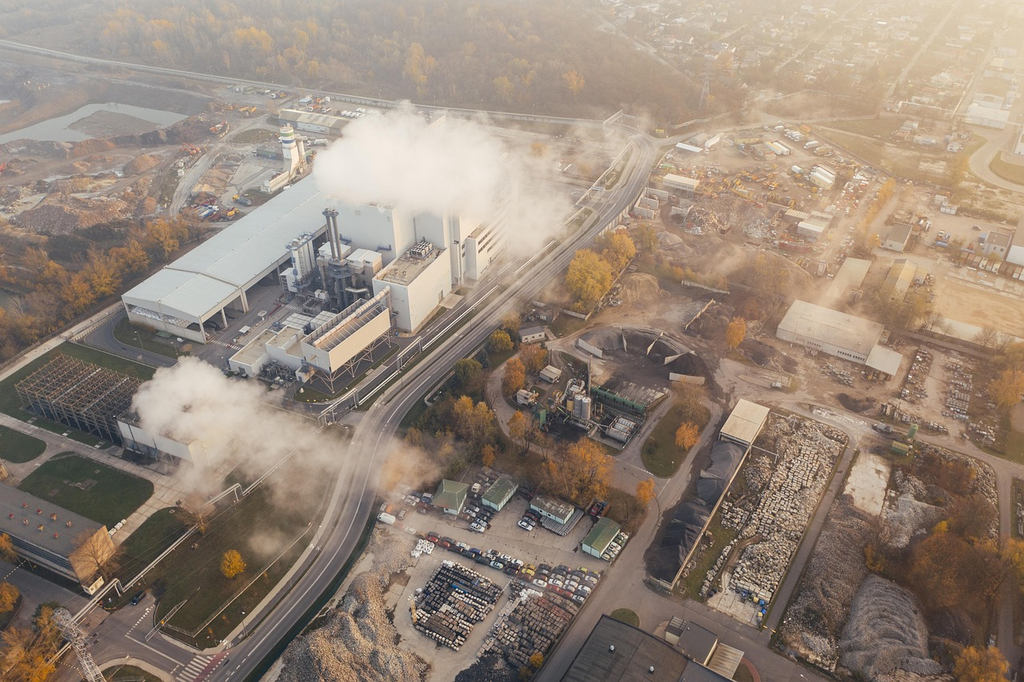
Car emission standards are regulatory limits set by governments to control the amount of pollutants, such as carbon dioxide and nitrogen oxides, released by vehicles like cars and planes. These standards aim to reduce air pollution and mitigate climate change by requiring manufacturers to design cleaner, more efficient engines. Compliance often leads to technological advancements, such as improved fuel efficiency and alternative energy sources, ultimately promoting healthier environments and sustainable travel options.
Car Emission Standards
Car emission standards are regulatory limits set by governments to control the amount of pollutants, such as carbon dioxide and nitrogen oxides, released by vehicles like cars and planes. These standards aim to reduce air pollution and mitigate climate change by requiring manufacturers to design cleaner, more efficient engines. Compliance often leads to technological advancements, such as improved fuel efficiency and alternative energy sources, ultimately promoting healthier environments and sustainable travel options.
💡 Key Takeaways
- Define car emission standards and their purpose in reducing air pollution and climate impact.
- Identify key regulated pollutants (NOx, CO, PM) and their health and environmental effects.
- Recognize major regional frameworks (Euro/EC, EPA Tier, WLTP) and how they differ.
- Explain how standards influence vehicle technology (exhaust aftertreatment, fuel efficiency) and testing methods (lab tests vs. real-world driving).
❓ Frequently Asked Questions
What are car emission standards?
Government limits on pollutants released by vehicles. They set maximum amounts of pollutants such as NOx, CO, and PM that a car may emit during testing and normal operation.
How are these standards enforced?
Manufacturers certify vehicles before sale, and cars are tested in labs (and sometimes on-road). If a model fails, it must be redesigned or limited from sale, with penalties for noncompliance.
What is the difference between pollutant emission standards and fuel economy/CO2 standards?
Pollutant standards restrict harmful emissions (NOx, CO, PM). CO2/fuel economy standards measure greenhouse gas output or efficiency. A vehicle can meet one set of standards but not necessarily the other without adjustments.
Can you name some regional emission standards?
Examples include Europe’s Euro 6/6d, the United States’ EPA Tier 3/LEV programs, and China’s China VI. Each region sets specific pollutant limits for vehicles.