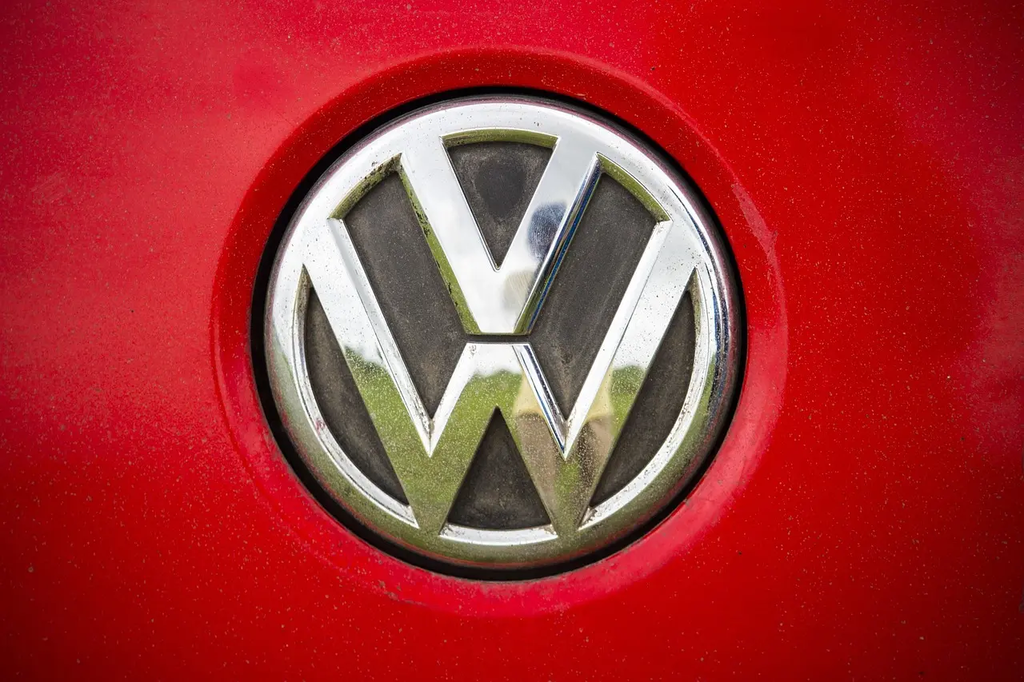
Car logo design elements blend symbolism, simplicity, and sophistication to convey brand identity and prestige. Luxury car logos often incorporate sleek lines, metallic finishes, and iconic imagery—such as animals, shields, or initials—to evoke exclusivity and heritage. These elements are carefully chosen to reflect qualities like performance, elegance, and innovation, ensuring instant recognition and emotional connection with consumers. The overall design communicates both the brand’s legacy and its commitment to excellence.
Car Logo Design Elements
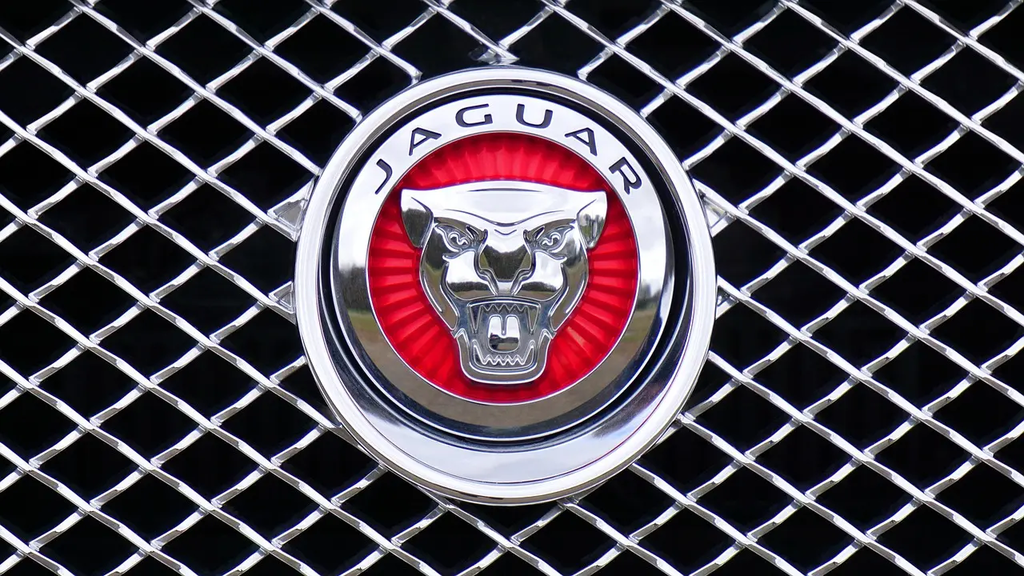
Car logo design elements blend symbolism, simplicity, and sophistication to convey brand identity and prestige. Luxury car logos often incorporate sleek lines, metallic finishes, and iconic imagery—such as animals, shields, or initials—to evoke exclusivity and heritage. These elements are carefully chosen to reflect qualities like performance, elegance, and innovation, ensuring instant recognition and emotional connection with consumers. The overall design communicates both the brand’s legacy and its commitment to excellence.
💡 Key Takeaways
- Understand how shape, symbol, and typography convey a car brand's identity.
- Learn how color and contrast influence perceptions of speed, luxury, or reliability in car logos.
- Explore design techniques like symmetry, negative space, and minimalism for scalable emblems.
- Discover how car logos adapt across different media and sizes while preserving legibility.
❓ Frequently Asked Questions
What makes car logo design elements distinctive?
Car logos use bold, simple shapes for instant recognition on vehicles and at a distance, often presented as badges or emblems with limited text.
What common elements appear in car logos?
Common elements include shapes like circles, shields, or wings; symbols; typography or initials; and a restrained metallic or high-contrast color palette.
Why are car logos often simple and minimal?
Simplicity ensures quick recognition across sizes, materials, and fast-moving contexts like driving or ads.
How do color and symbolism affect perception of a car logo?
Colors convey values (speed with red, reliability with blue, luxury with black/silver), while symbols imply traits like performance or protection.
What is the difference between a car badge and a logo?
A badge is a vehicle-mounted emblem with a 3D or integrated feel; a logo is the brand mark used in marketing. Many brands use the same symbol for both.