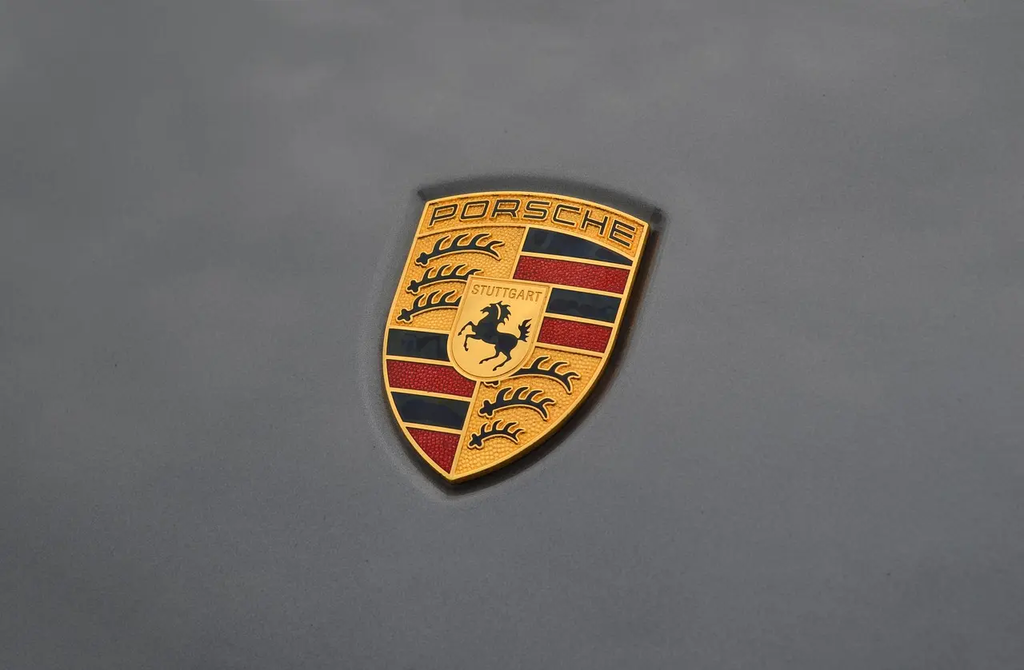
Car logos serve as powerful symbols of brand identity, reflecting a manufacturer's heritage, values, and commitment to innovation. In the luxury automotive sector, logos like Mercedes-Benz’s star or Rolls-Royce’s double R evoke prestige and exclusivity. These emblems are carefully designed to communicate quality, technological advancement, and status, helping brands differentiate themselves in a competitive market while appealing to consumers’ desires for both performance and sophistication.
Car Logos and Brand Innovation
Car logos serve as powerful symbols of brand identity, reflecting a manufacturer's heritage, values, and commitment to innovation. In the luxury automotive sector, logos like Mercedes-Benz’s star or Rolls-Royce’s double R evoke prestige and exclusivity. These emblems are carefully designed to communicate quality, technological advancement, and status, helping brands differentiate themselves in a competitive market while appealing to consumers’ desires for both performance and sophistication.

💡 Key Takeaways
- Understand how car logos convey brand identity and innovation
- Trace how logo design evolves with technology and design trends
- Identify symbolism, typography, and color choices in automotive branding
- Explore how logo redesigns impact consumer perception and market positioning
❓ Frequently Asked Questions
What is the purpose of a car logo in branding?
A car logo serves as the brand's visual mark, helping customers recognize the company, convey its values (heritage, quality, innovation), and unify design across vehicles and marketing.
How can a logo indicate brand innovation in the automotive industry?
By adopting contemporary, simplified forms, updated typography, or new color palettes that suggest modern tech and sustainable mobility while keeping core identity.
What elements contribute to a memorable and effective car logo?
Simplicity, a unique shape, strong contrast, scalability, and consistency across media help the logo be recognizable on cars, ads, and digital screens.
Why do car brands update logos over time?
To reflect evolving technology, market trends, and new values (like performance or eco-friendliness) while preserving key heritage elements so loyal customers still recognize the brand.