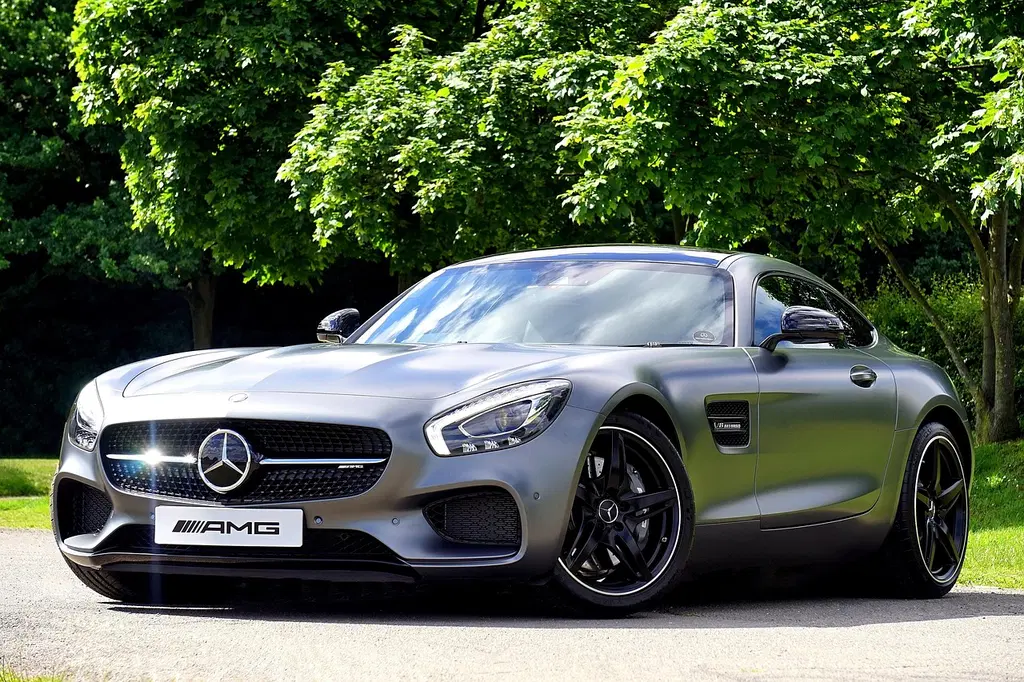
Car logos play a crucial role in shaping brand perception, especially in the luxury automotive market. A well-designed logo communicates prestige, exclusivity, and quality, influencing how consumers view a brand. Iconic symbols like Mercedes-Benz’s star or Rolls-Royce’s double “R” evoke status and trust, often becoming synonymous with luxury itself. Ultimately, car logos help differentiate brands and reinforce their identity in a competitive marketplace.
Car Logos and Brand Perception
Car logos play a crucial role in shaping brand perception, especially in the luxury automotive market. A well-designed logo communicates prestige, exclusivity, and quality, influencing how consumers view a brand. Iconic symbols like Mercedes-Benz’s star or Rolls-Royce’s double “R” evoke status and trust, often becoming synonymous with luxury itself. Ultimately, car logos help differentiate brands and reinforce their identity in a competitive marketplace.

💡 Key Takeaways
- Understand how car logos influence first impressions, trust, and perceived quality
- Learn how color, shape, and typography in car logos communicate brand messages
- Explore how automotive logo changes reflect brand strategy and consumer feedback
- See how consistent logo use across vehicles, ads, and packaging boosts recognition and loyalty
❓ Frequently Asked Questions
What is brand perception in the context of car logos?
Brand perception is how people view a car brand based on visuals and experiences; logos signal values like luxury, reliability, and performance, shaping trust and purchase decisions.
How do color and shape in car logos influence perceptions?
Colors evoke emotions (e.g., blue for trust, red for excitement), while shapes convey energy or stability. Simplicity and clean design often suggest modernity and premium quality.
Why is logo history and consistency important for a car brand?
A longstanding, consistently used logo builds recognition and trust. Frequent changes can confuse customers and weaken perceived heritage.
How can a logo imply performance vs. efficiency?
Aggressive lines, bold typography, and metallic finishes suggest speed and performance; softer fonts and lighter colors imply practicality and eco-friendliness.