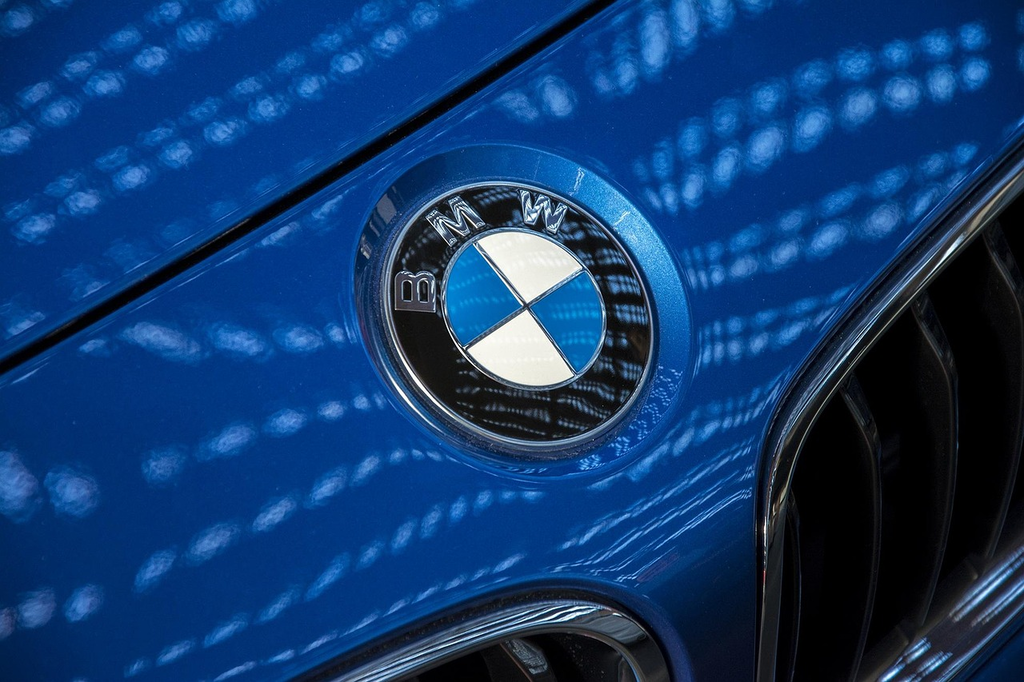
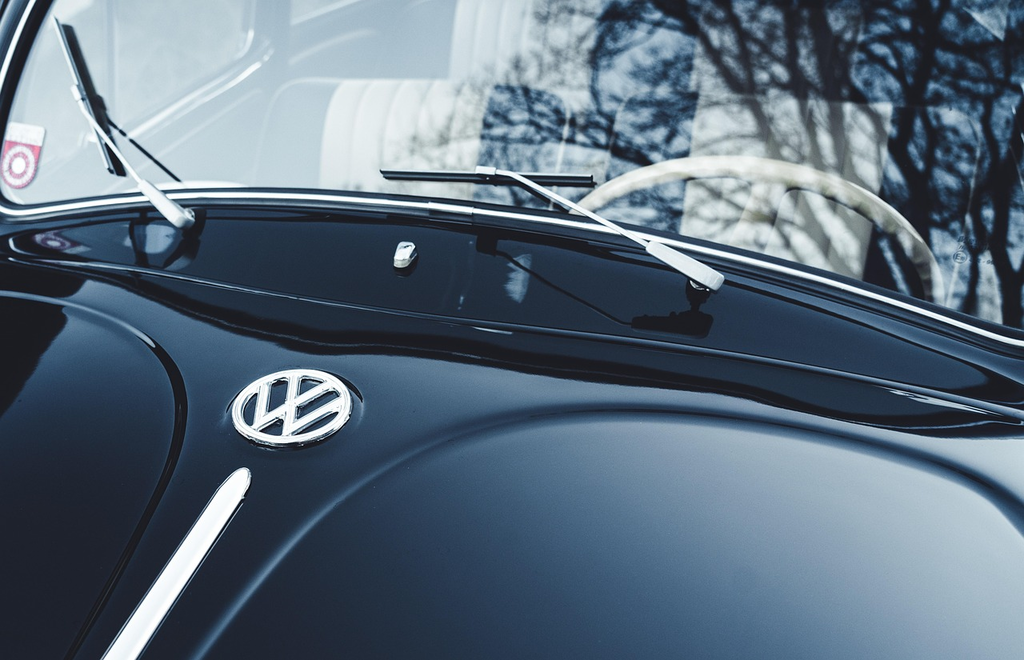
Car logos play a crucial role in brand repositioning, especially in the luxury automotive market. A redesigned logo can signal a shift in brand identity, values, or target audience, often aiming to convey sophistication, innovation, or exclusivity. Luxury car brands frequently update their logos to reflect modern aesthetics and reinforce their premium status, helping to attract affluent customers and differentiate themselves from mainstream competitors in a crowded marketplace.
Car Logos and Brand Repositioning
Car logos play a crucial role in brand repositioning, especially in the luxury automotive market. A redesigned logo can signal a shift in brand identity, values, or target audience, often aiming to convey sophistication, innovation, or exclusivity. Luxury car brands frequently update their logos to reflect modern aesthetics and reinforce their premium status, helping to attract affluent customers and differentiate themselves from mainstream competitors in a crowded marketplace.
💡 Key Takeaways
- Identify how car logos reflect brand identity and heritage.
- Explain why automakers reposition brands and how logo changes signal new market goals (e.g., modernity, luxury, sustainability).
- Describe how simplified logos improve recognition across digital and mobile platforms.
- Compare logo redesign with broader brand repositioning and discuss potential risks and success indicators.
❓ Frequently Asked Questions
What is brand repositioning in automotive marketing?
A strategic shift to appeal to a different customer segment or market, often involving changes to messaging, product features, pricing, and brand image.
How can car logos signal a brand repositioning?
Logo updates often accompany the shift and use new shapes, colors, or typography to reflect the brand's refreshed identity and target audience.
Why do brands refresh logos during repositioning?
To signal change, modernize the image, and help consumers recognize the new direction while maintaining a sense of heritage.
What other elements usually accompany a logo change in a repositioning effort?
New advertising campaigns, product redesigns, showroom experiences, slogans, and pricing or feature changes that reinforce the new positioning.
Can a logo change alone change how people view a brand?
Not by itself; it works with broader strategy across products, messaging, and customer touchpoints to reshape perception.