The car manufacturing process involves a series of steps to transform raw materials into finished vehicles. It starts with designing and engineering, followed by assembling the chassis, engine, and body parts. Advanced robotics and automation are used to weld, paint, and install components. Quality checks ensure safety and performance standards. Finally, the completed cars undergo testing before being shipped to dealerships, making them ready for customers to enjoy their travel rides.
Car Manufacturing Process
The car manufacturing process involves a series of steps to transform raw materials into finished vehicles. It starts with designing and engineering, followed by assembling the chassis, engine, and body parts. Advanced robotics and automation are used to weld, paint, and install components. Quality checks ensure safety and performance standards. Finally, the completed cars undergo testing before being shipped to dealerships, making them ready for customers to enjoy their travel rides.
💡 Key Takeaways
- Understand the end-to-end stages of car production: stamping, body assembly, paint shop, and final assembly.
- Learn how robotics and automation streamline the assembly line for efficiency and consistency.
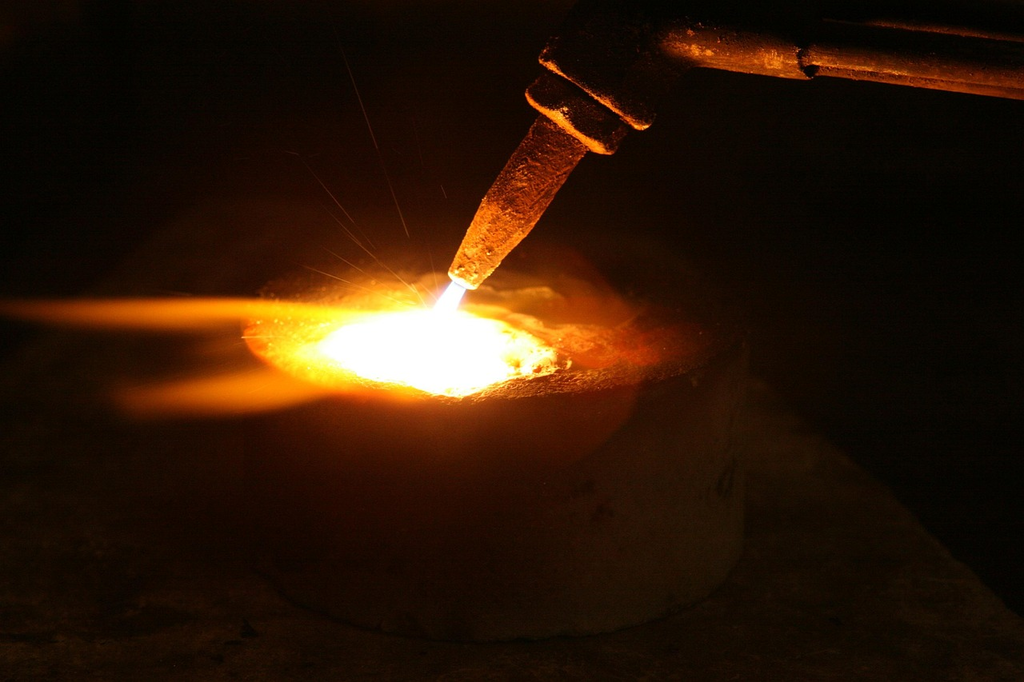
- Recognize the main manufacturing processes used in cars, such as welding, bonding, paint finishing, and curing.
- Identify the typical quality checks and testing steps that ensure fit, finish, and safety before delivery.
❓ Frequently Asked Questions
What are the main stages of the car manufacturing process?
Design and engineering, stamping of body panels, body assembly and welding, painting and coating, final assembly, and quality checks.
What happens during stamping?
Large presses shape flat metal sheets into body panels (doors, hoods, panels) using dies, producing consistent parts.
How are car bodies joined together?
Stamped panels are welded (spot welding, MIG, laser) and often bonded with adhesives to form the 'body-in-white,' a rigid shell.
Why is painting important and what does it involve?
Paint protects against corrosion and provides color; it includes surface preparation, primer, multiple coats, a clear coat, and curing.
What happens during final assembly and testing?
Drivetrain, interiors, and electronics are installed; the car undergoes safety, leak, and performance checks and a finish inspection.