The cardiac cycle phases refer to the sequence of events in the heart during one heartbeat, involving contraction (systole) and relaxation (diastole) of the atria and ventricles. These phases regulate blood flow and pressure throughout the body. Body signals, such as changes in heart rate or eye pupil dilation, can indicate alterations in the cardiac cycle, reflecting stress, excitement, or health conditions affecting both the heart and nervous system.
Cardiac Cycle Phases
The cardiac cycle phases refer to the sequence of events in the heart during one heartbeat, involving contraction (systole) and relaxation (diastole) of the atria and ventricles. These phases regulate blood flow and pressure throughout the body. Body signals, such as changes in heart rate or eye pupil dilation, can indicate alterations in the cardiac cycle, reflecting stress, excitement, or health conditions affecting both the heart and nervous system.
💡 Key Takeaways
- Identify the sequence of cardiac cycle phases and distinguish systole from diastole.
- Explain valve movements and blood flow during each phase (which valves are open or closed and why).
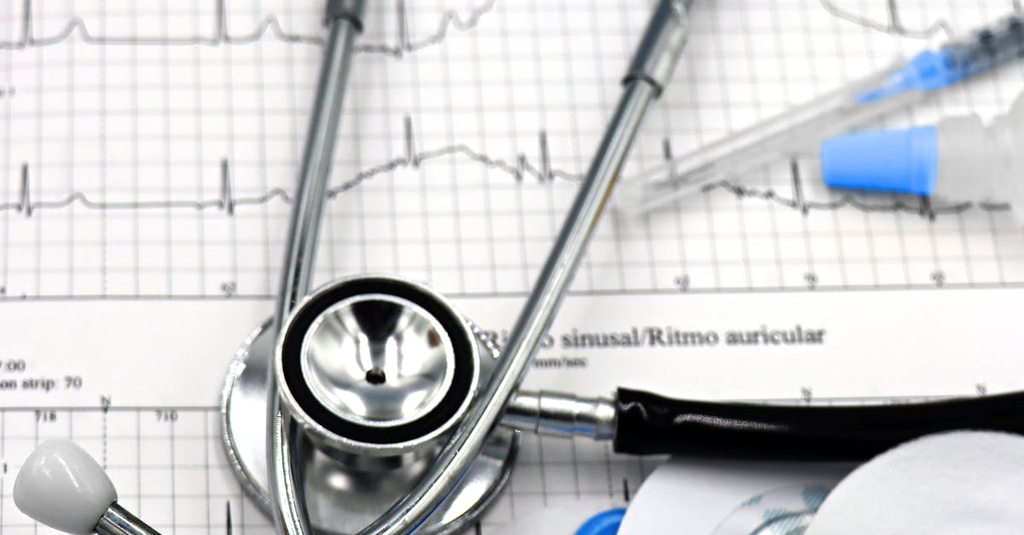
- Correlate ECG waves (PQRST) and heart sounds (S1, S2) with the phases to time events.
- Describe how heart rate, preload, afterload, and contractility affect cycle duration and stroke volume.
❓ Frequently Asked Questions
What is the cardiac cycle?
The sequence of heart muscle contractions and relaxations from one heartbeat to the next, including systole (contraction) and diastole (relaxation) that move blood through the heart.
What occurs during atrial systole?
The atria contract to push the remaining blood into the ventricles before they contract.
What happens during ventricular systole?
First, isovolumetric contraction raises ventricular pressure with all valves closed, then the ventricles eject blood through the semilunar valves; end of ejection marks valve closure (S2) and the start of diastole.
What happens during diastole?
The ventricles relax and fill as the AV valves open; rapid filling occurs, followed by diastasis and atrial contraction, with coronary perfusion mainly during this phase.