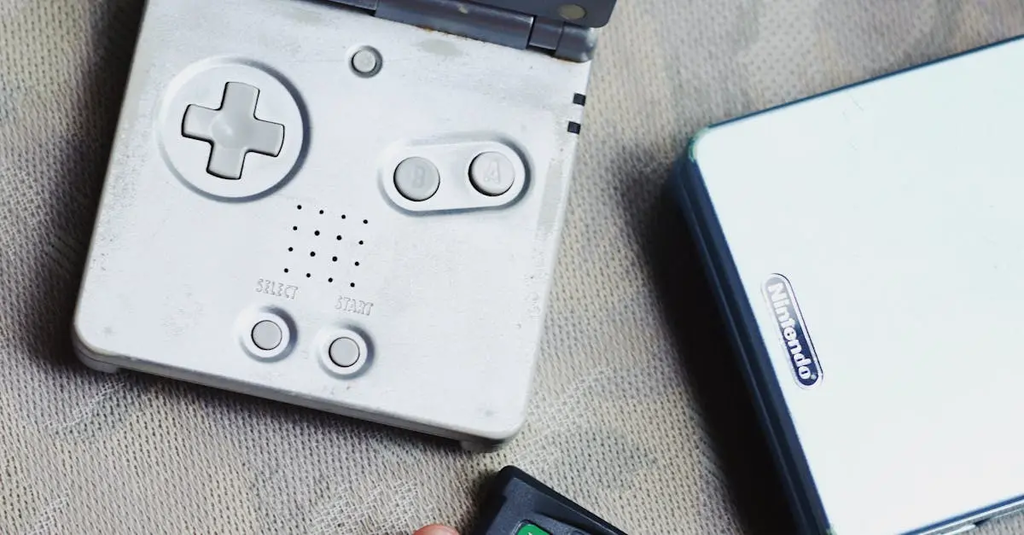
Cartridge mappers and memory management refer to technologies used in video game cartridges, especially for older consoles like the NES or SNES. Mappers are specialized chips inside cartridges that extend the console’s capabilities, allowing for larger games, advanced graphics, and additional features. Memory management involves techniques for efficiently using and accessing limited RAM and ROM, ensuring smooth gameplay and enabling complex game worlds despite hardware constraints. Together, they revolutionized game development and performance.
Cartridge Mappers & Memory Management
Cartridge mappers and memory management refer to technologies used in video game cartridges, especially for older consoles like the NES or SNES. Mappers are specialized chips inside cartridges that extend the console’s capabilities, allowing for larger games, advanced graphics, and additional features. Memory management involves techniques for efficiently using and accessing limited RAM and ROM, ensuring smooth gameplay and enabling complex game worlds despite hardware constraints. Together, they revolutionized game development and performance.
💡 Key Takeaways
- Understand what cartridge mappers are and why they were needed to expand NES/SNES memory and features beyond the base hardware.
- Learn how bank switching (PRG/CHR banks) works to swap in different memory banks, enabling larger games and more graphics data.
- See how mappers add capabilities like extra RAM, save memory (battery-backed RAM), and IRQ-driven features for more advanced gameplay effects.
- Recognize how memory management decisions shaped game design, performance, and cross-game compatibility on retro systems.
❓ Frequently Asked Questions
What is a cartridge mapper?
A mapper is an extra chip inside a game cartridge that helps the console manage more memory and add features. It controls how ROM and RAM are organized and accessed, enabling larger or more capable games on classic systems.
What is bank switching?
Bank switching is a technique used by mappers to swap in and out different blocks (banks) of ROM or RAM into the console’s address space, allowing games to access more data than the base hardware would normally permit.
What memory blocks do mappers manage?
Mappers typically manage program ROM (PRG-ROM), graphics data (CHR-ROM or CHR-RAM), and optional save RAM (SRAM). They determine which banks are visible to the CPU and PPU at any moment.
How did mappers affect game features?
By expanding available memory and capabilities, mappers enabled larger games, more levels and graphics detail, and features like save data retention via battery-backed RAM.