Case linkage and series detection algorithms are analytical tools used in law enforcement and criminology to identify connections between multiple criminal cases. These algorithms analyze patterns, behaviors, and characteristics within crime data to determine if separate incidents are likely committed by the same offender or group. By detecting similarities and linking cases, these algorithms help investigators recognize crime series, prioritize leads, and allocate resources more effectively, ultimately improving crime-solving efficiency.
Case Linkage and Series Detection Algorithms
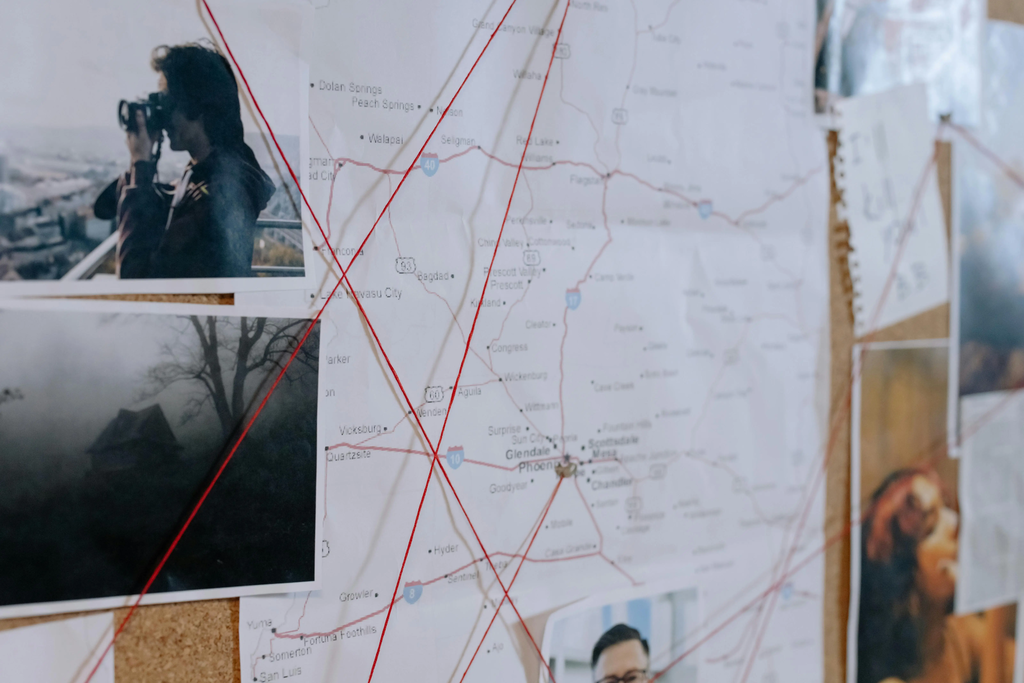
Case linkage and series detection algorithms are analytical tools used in law enforcement and criminology to identify connections between multiple criminal cases. These algorithms analyze patterns, behaviors, and characteristics within crime data to determine if separate incidents are likely committed by the same offender or group. By detecting similarities and linking cases, these algorithms help investigators recognize crime series, prioritize leads, and allocate resources more effectively, ultimately improving crime-solving efficiency.
💡 Key Takeaways
- Define case linkage and series detection and explain why identifying related crimes matters in investigations.
- Identify the data features these algorithms examine, such as time, location, modus operandi, and victim profiles.
- Describe how algorithm outputs are interpreted, including likelihood scores and case clusters that guide investigative decisions.
- Understand the limitations of these tools, including data quality, biases, and the need for human validation.
- Consider ethical and practical considerations around privacy, data sharing, and avoiding over-connecting disparate incidents.
❓ Frequently Asked Questions
What is case linkage?
Case linkage is the process of determining whether two or more crimes are connected, often by the same offender, by comparing similarities in modus operandi, signatures, times, and locations.
What is series detection in crime analysis?
Series detection identifies a sequence or cluster of related crimes over time to reveal patterns or an ongoing offense series, helping investigators understand how incidents fit together.
What kinds of data do these algorithms use?
They analyze crime scene details, modus operandi and signature behaviors, victim profiles, locations, times, and forensic evidence to assess connections.
How do these algorithms determine if crimes are linked?
They compare features across cases, compute similarity scores, and often cluster related incidents; investigators review results to confirm connections and build timelines.