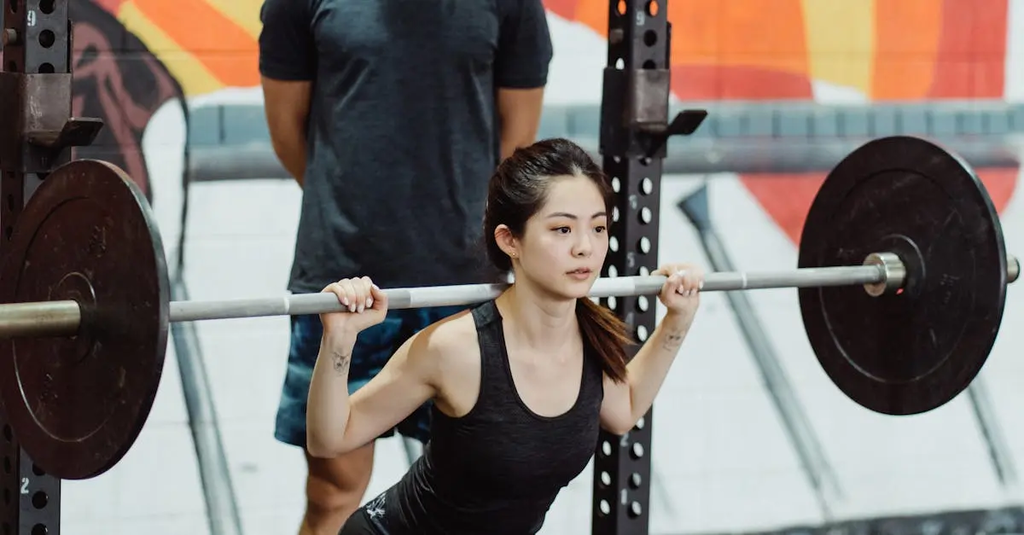
Case studies on sprinters and power athletes provide detailed analyses of individual or group performance, training regimens, physiological adaptations, and injury prevention strategies. These studies highlight how targeted exercises, nutrition, and recovery protocols contribute to enhanced speed, strength, and explosiveness. By examining real-world examples, researchers and coaches gain valuable insights into optimizing athletic performance and tailoring interventions to meet the unique demands of sprinting and power-based sports.
Case Studies: Sprinters and Power Athletes
Case studies on sprinters and power athletes provide detailed analyses of individual or group performance, training regimens, physiological adaptations, and injury prevention strategies. These studies highlight how targeted exercises, nutrition, and recovery protocols contribute to enhanced speed, strength, and explosiveness. By examining real-world examples, researchers and coaches gain valuable insights into optimizing athletic performance and tailoring interventions to meet the unique demands of sprinting and power-based sports.
💡 Key Takeaways
- How targeted training regimens enhance speed and power in sprinters and power athletes.
- Key physiological adaptations—neuromuscular efficiency, muscle fiber development, and energy system changes—in sprinting and power sports.
- The role of nutrition and recovery protocols in maximizing performance and reducing injury risk.
- How case-study analyses use performance data to inform training design and injury-prevention strategies.
❓ Frequently Asked Questions
What is the main purpose of these case studies on sprinters and power athletes?
To provide detailed analyses of performance, training regimens, physiological adaptations, and injury prevention strategies observed in individuals or groups.
How do sprint-focused training and power-focused training differ?
Sprint training targets acceleration, maximal velocity, sprint mechanics, and neuromuscular efficiency; power training emphasizes explosive force, rate of force development, and high-intensity plyometrics or Olympic lifts.
What physiological adaptations are typically highlighted in these cases?
Improvements in neural recruitment, muscle-tendon stiffness, and anaerobic energy system capacity, as well as technique efficiency; adaptation patterns depend on the athlete and training stimuli.
What role do nutrition and recovery play in speed and power gains?
Proper protein intake for muscle repair, carbohydrates for high-intensity work, hydration, and structured recovery (sleep, rest days) support performance improvements and injury prevention.
What are common limitations of case studies for training guidance?
They study small samples, so findings may not generalize; lack randomization and control; results can be influenced by individual factors and context.