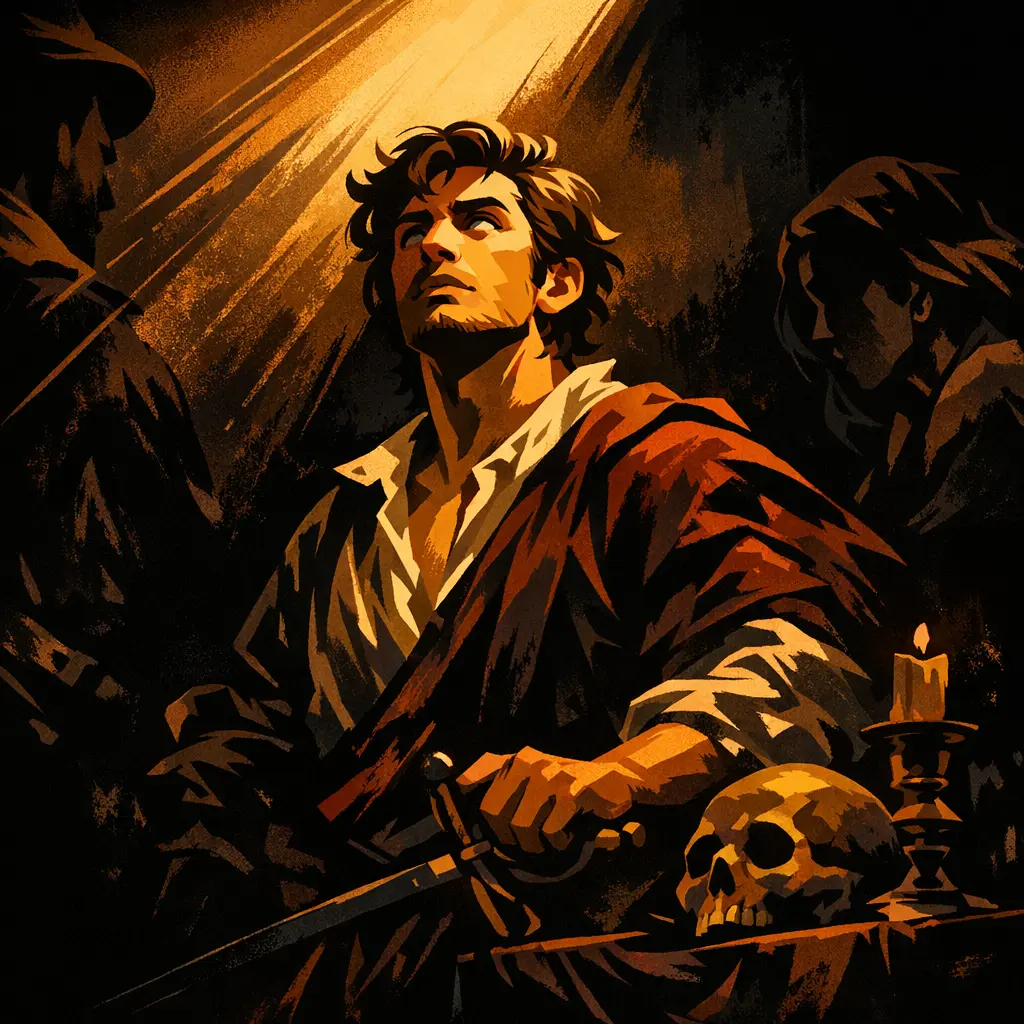
Caravaggio’s tenebrism refers to his dramatic use of intense contrasts between light and dark, a hallmark of Baroque painting. This technique heightened emotional impact and realism, directing viewers’ attention to key elements within the composition. Caravaggio’s mastery of tenebrism revolutionized art by emphasizing psychological depth and naturalism, influencing countless artists across Europe. His works, such as “The Calling of Saint Matthew,” exemplify this striking interplay of illumination and shadow, defining a pivotal moment in art history.
Case Study: Caravaggio’s Tenebrism
Caravaggio’s tenebrism refers to his dramatic use of intense contrasts between light and dark, a hallmark of Baroque painting. This technique heightened emotional impact and realism, directing viewers’ attention to key elements within the composition. Caravaggio’s mastery of tenebrism revolutionized art by emphasizing psychological depth and naturalism, influencing countless artists across Europe. His works, such as “The Calling of Saint Matthew,” exemplify this striking interplay of illumination and shadow, defining a pivotal moment in art history.
💡 Key Takeaways
- Understand what tenebrism is and how Caravaggio uses dramatic light and shadow to shape narrative.
- Recognize characteristic features of Caravaggio’s tenebrism: stark contrasts, focused light, and realistic figures.
- See how lighting directs attention and heightens emotion in his scenes.
- Compare tenebrism with general chiaroscuro and its role in Baroque storytelling.
- Consider Caravaggio’s influence on later artists and movements through tenebrism.
❓ Frequently Asked Questions
What is tenebrism?
A dramatic lighting technique that uses extreme light-dark contrasts, illuminating the main figures from a strong light source while the surroundings stay very dark.
How did Caravaggio apply tenebrism in his paintings?
He lit key figures with intense, directional light against nearly black backgrounds to create drama and guide the viewer's focus.
How does tenebrism differ from chiaroscuro?
Chiaroscuro models form with gradual shading; tenebrism heightens contrast with a single strong light source to produce a theatrical spotlight effect.
What subjects or scenes are typical of tenebrism in Caravaggio's work?
Religious narratives and decisive moments (revelation, martyrdom) presented with stark illumination to heighten emotion and immediacy.