This case study examines Shirin Neshat, an Iranian-born artist whose work explores themes of diasporic identity, gender, and cultural displacement. Through photography, video, and film, Neshat addresses the complexities of living between cultures, often referencing her experiences as part of the Iranian diaspora. Her art reflects broader movements in contemporary art that engage with postcolonialism, feminism, and global migration, highlighting personal and collective narratives of belonging and identity.
Case Study: Shirin Neshat and Diasporic Identity
This case study examines Shirin Neshat, an Iranian-born artist whose work explores themes of diasporic identity, gender, and cultural displacement. Through photography, video, and film, Neshat addresses the complexities of living between cultures, often referencing her experiences as part of the Iranian diaspora. Her art reflects broader movements in contemporary art that engage with postcolonialism, feminism, and global migration, highlighting personal and collective narratives of belonging and identity.
💡 Key Takeaways
- Understand how Shirin Neshat explores diasporic identity, exile, and cultural hybridity through her art.
- Identify key themes such as gender, religion, politics, and memory in her work and how they relate to the Iranian diaspora.
- Recognize common symbols and imagery in her photography and video installations that express identity across borders.
- Analyze how form, media choice, and narrative in Neshat's pieces convey personal and collective experiences of diaspora.
❓ Frequently Asked Questions
Who is Shirin Neshat and why is her work relevant to diasporic identity?
Shirin Neshat is an Iranian-born artist whose multimedia work examines displacement, memory, and cultural belonging, with a focus on women in diaspora.
What does 'diasporic identity' mean in the context of Neshat's art?
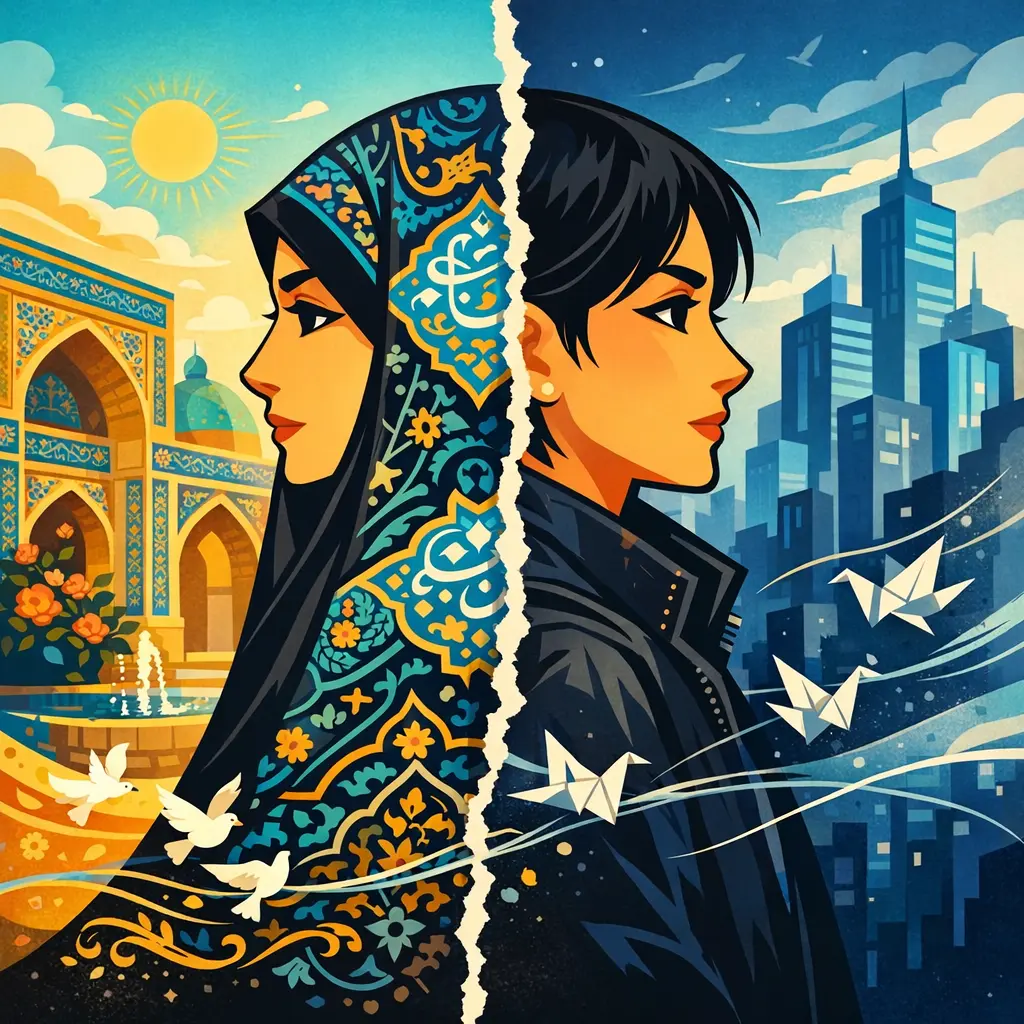
It refers to negotiating life between Iran and its diasporas, balancing homeland memory with new cultural contexts, and exploring gender, politics, and religion across cultures.
Which works are central to her exploration of gender, religion, and exile, and what do they show?
Works like the Women of Allah photography series address religious orthodoxy, female agency, and the gaze, using chadors and symbolic imagery to highlight these tensions in diasporic settings.
How does Neshat use language and imagery to convey identity?
She combines Persian text (calligraphy and captions) with photographs and film to layer meanings about belonging, power, and resistance in diaspora contexts.