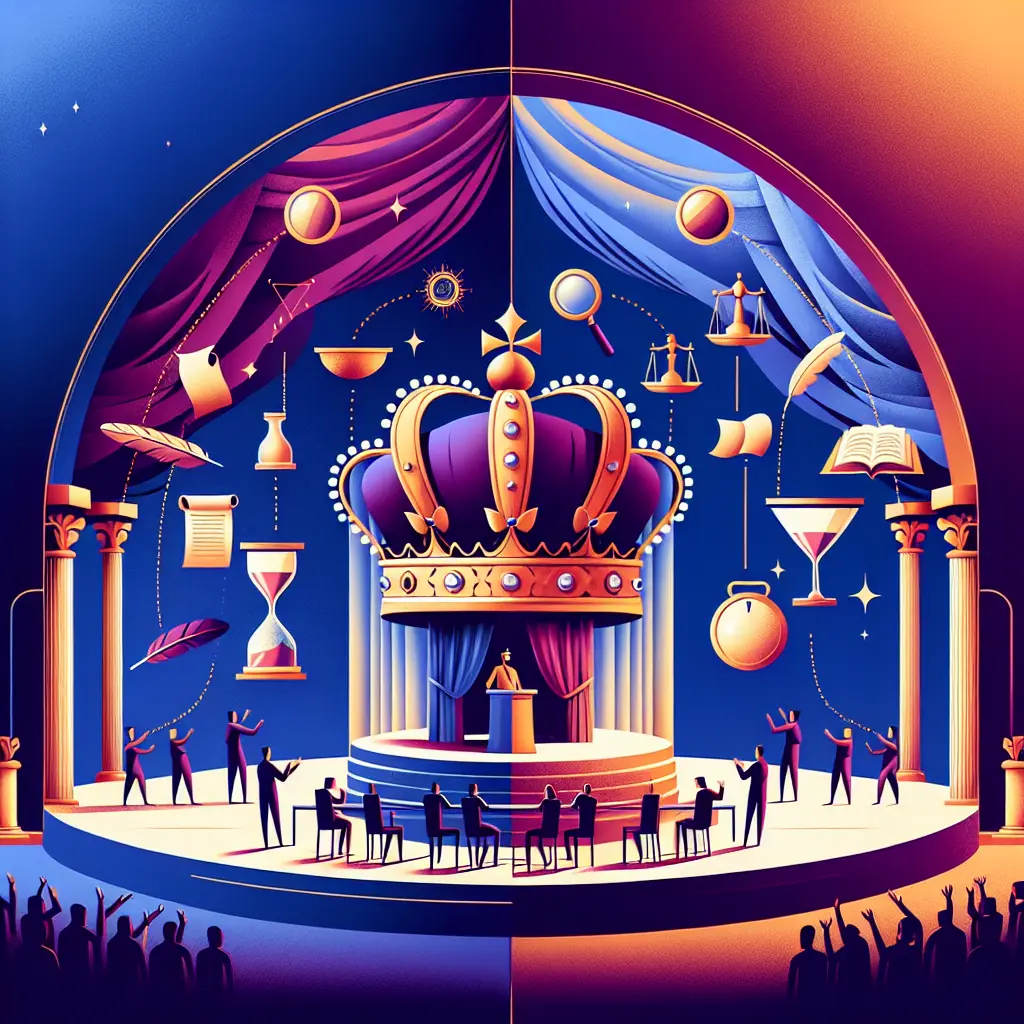
This phrase refers to the examination of "The Crown," a popular television series, as a case study within ongoing discussions about historical dramas. It explores debates around the show's portrayal of real-life events and figures, questioning the balance between entertainment and factual accuracy. The phrase highlights how "The Crown" exemplifies broader concerns regarding artistic license, public perception, and the responsibilities of creators when dramatizing recent history for mass audiences.
Case study: The Crown and historical drama debates
This phrase refers to the examination of "The Crown," a popular television series, as a case study within ongoing discussions about historical dramas. It explores debates around the show's portrayal of real-life events and figures, questioning the balance between entertainment and factual accuracy. The phrase highlights how "The Crown" exemplifies broader concerns regarding artistic license, public perception, and the responsibilities of creators when dramatizing recent history for mass audiences.
💡 Key Takeaways
- Understand how The Crown blends fact and fiction and where it diverges from history.
- Evaluate how dramatization shapes viewers' understanding of real events and figures.
- Consider ethical concerns in portraying living or recently public figures.
- Analyze how production choices (casting, pacing, storytelling) influence perceptions of history.
- Reflect on the balance between entertainment and accuracy in UK historical drama debates.
❓ Frequently Asked Questions
What is the Crown case study about in this context?
It uses The Crown as a lens to explore how historical dramas portray real events and figures while balancing entertainment with factual accuracy.
How does The Crown balance entertainment and historical accuracy?
The show blends real events with dramatic license—using composite characters, condensed timelines, and imagined conversations—while not intended as a documentary.
What are common criticisms of The Crown's accuracy?
Critics often point to invented scenes, altered sequences, or omitted context that can shape impressions of real people and events.
Why is it important to distinguish fiction from history in this show?
Because dramatized portrayals can influence public memory; viewers should check against reliable sources and treat the series as interpretation rather than definitive history.