This phrase refers to an examination of how the unique format of UK comedy panel shows—television programs featuring comedians and celebrities competing or collaborating in humorous discussions—has been adapted and sold to international markets. The case study would analyze the process, challenges, and successes involved in exporting these formats, exploring factors such as cultural adaptation, licensing agreements, and the global appeal of British comedic sensibilities.
Case study: UK comedy panel shows format sales
This phrase refers to an examination of how the unique format of UK comedy panel shows—television programs featuring comedians and celebrities competing or collaborating in humorous discussions—has been adapted and sold to international markets. The case study would analyze the process, challenges, and successes involved in exporting these formats, exploring factors such as cultural adaptation, licensing agreements, and the global appeal of British comedic sensibilities.
💡 Key Takeaways
- Identify the core elements of the UK panel show format and why they appeal to international audiences.
- Understand the export process from licensing and production manuals to localization requirements.
- Recognize the main challenges in cross-border format sales, including cultural humor differences and IP/legal issues.
- Explore strategies to tailor formats for different markets (tone, structure, and guest selection) while preserving the brand.
- Learn about revenue models and market dynamics in format sales, such as licensing, co-productions, and royalties.
❓ Frequently Asked Questions
What is a TV format and how does it relate to UK comedy panel shows?
A TV format is the transferable concept of a show—its premise, rules, rounds, and production style—that can be licensed for local remakes in other countries. UK comedy panel shows are sold this way to adapt the same format for different markets.
What elements define UK comedy panel shows that buyers consider in format sales?
Core elements include a host, rotating panels of comedians or celebrities, humorous banter, structured rounds or games, and a studio setup—reproducible in local versions while preserving the show’s feel.
What are the typical steps in selling these formats to international markets?
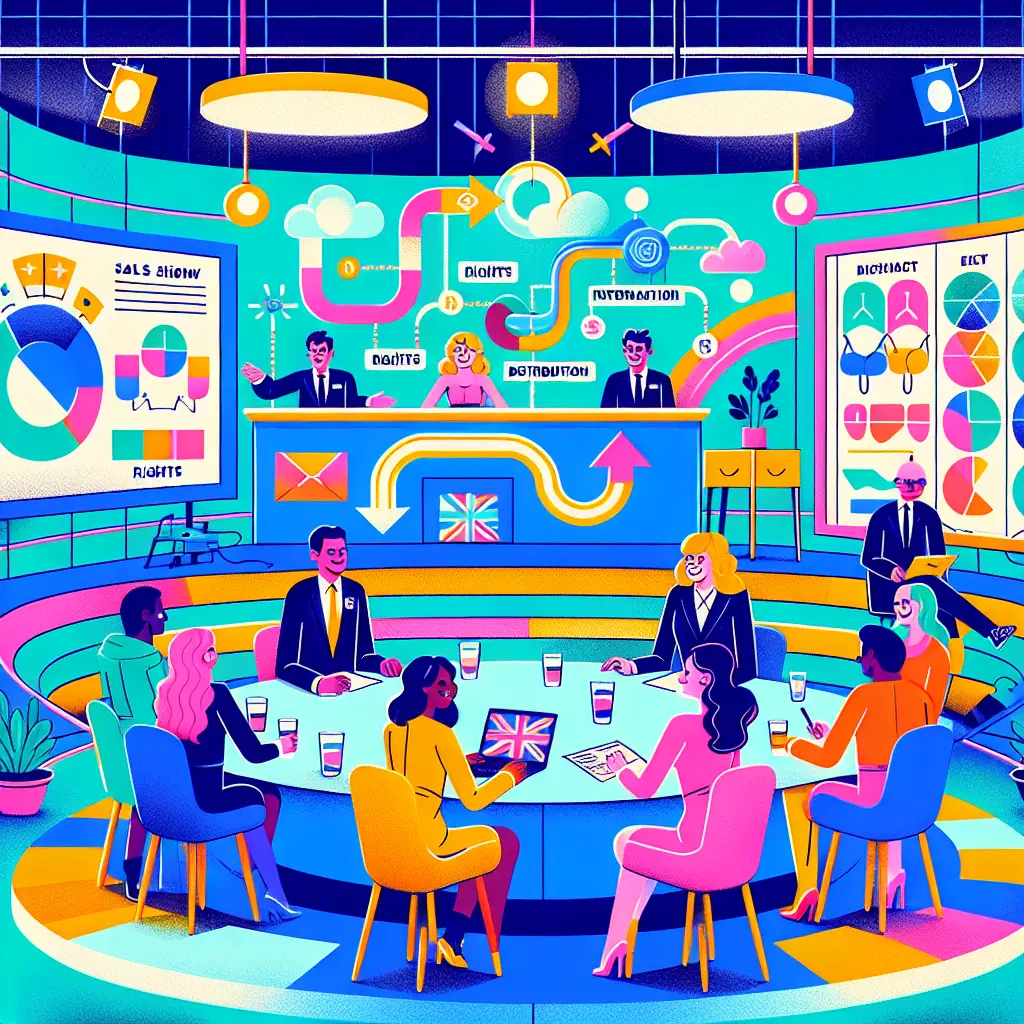
Develop the format and a format bible, create a pitch or pilot, approach distributors/buyers, negotiate licensing deals and royalties, and support localization or co-productions for each market.
What challenges commonly arise when adapting UK comedy panel show formats internationally?
Cultural differences in humor, localization of jokes and references, varying broadcasting regulations, negotiating rights and royalties, and aligning production costs with local talent and budgets.