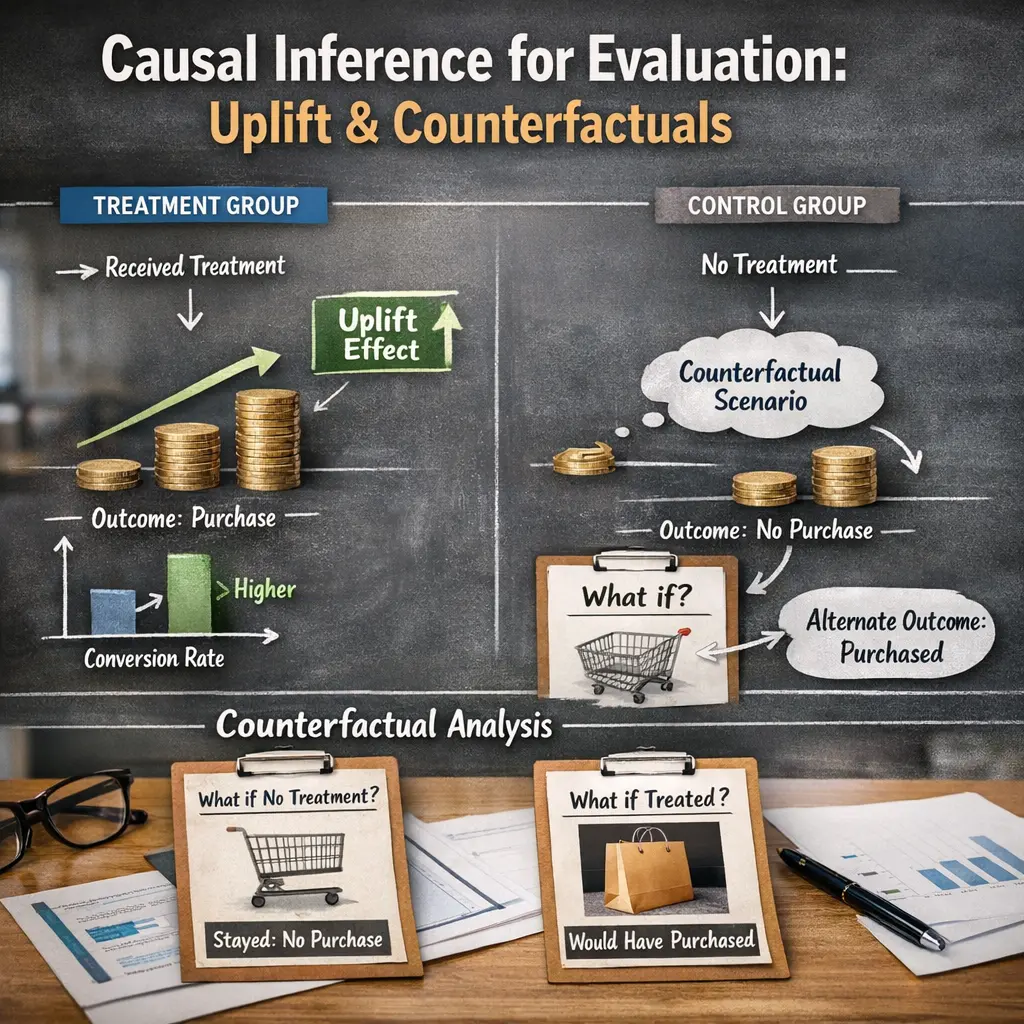
Causal Evaluation of Fairness Interventions (LLM Evaluations) refers to systematically assessing how specific interventions impact fairness in large language models (LLMs). This involves applying statistical or experimental methods to determine whether changes, such as algorithmic adjustments or data modifications, causally improve or worsen fairness outcomes. The goal is to move beyond correlation, ensuring that observed fairness improvements are directly attributable to the interventions, thereby supporting more reliable and equitable AI systems.
Causal Evaluation of Fairness Interventions
Causal Evaluation of Fairness Interventions (LLM Evaluations) refers to systematically assessing how specific interventions impact fairness in large language models (LLMs). This involves applying statistical or experimental methods to determine whether changes, such as algorithmic adjustments or data modifications, causally improve or worsen fairness outcomes. The goal is to move beyond correlation, ensuring that observed fairness improvements are directly attributable to the interventions, thereby supporting more reliable and equitable AI systems.

💡 Key Takeaways
- Define fairness interventions and why causal evaluation matters for their real-world impact
- Use causal diagrams (DAGs) and counterfactual thinking to frame fairness assessments
- Learn core causal methods for evaluation (randomized trials, difference-in-differences, instrumental variables, natural experiments) and when to apply them
- Interpret results to balance fairness gains with potential trade-offs and limitations for policy decisions
❓ Frequently Asked Questions
What is causal evaluation in the context of fairness interventions?
Causal evaluation assesses whether a fairness intervention actually causes changes in outcomes (e.g., accuracy, error rates, or fairness gaps) rather than just showing associations, by using designs that address confounding and bias.
What counts as a fairness intervention?
Actions aimed at reducing unfair outcomes, such as data pre-processing to remove bias, fair training objectives or constraints, post-processing thresholds by group, or policy changes that alter decision rules.
What study designs are common for causal evaluation?
Randomized experiments (A/B tests); quasi-experiments like difference-in-differences, regression discontinuity, instrumental variables; and causal graph–driven methods such as DAGs and matching.
How should fairness and impact be measured in a causal framework?
Estimate causal effects on outcomes of interest (e.g., error rates by group, true/false positive rates) and report how these effects relate to fairness goals, using metrics aligned with the intervention's objective.
What are common challenges to watch for?
Confounding, selection bias, interference between units, data quality limits, and ensuring results generalize beyond the study setting.