Censorship and legal battles refer to the ongoing conflicts between individuals or organizations and authorities over the suppression or restriction of information, ideas, or artistic expression. These disputes often arise when content is deemed offensive, dangerous, or politically sensitive, leading to legal action or regulatory measures. Such battles can shape public discourse, influence media freedom, and highlight the tension between free speech and societal or governmental control.
Censorship & Legal Battles
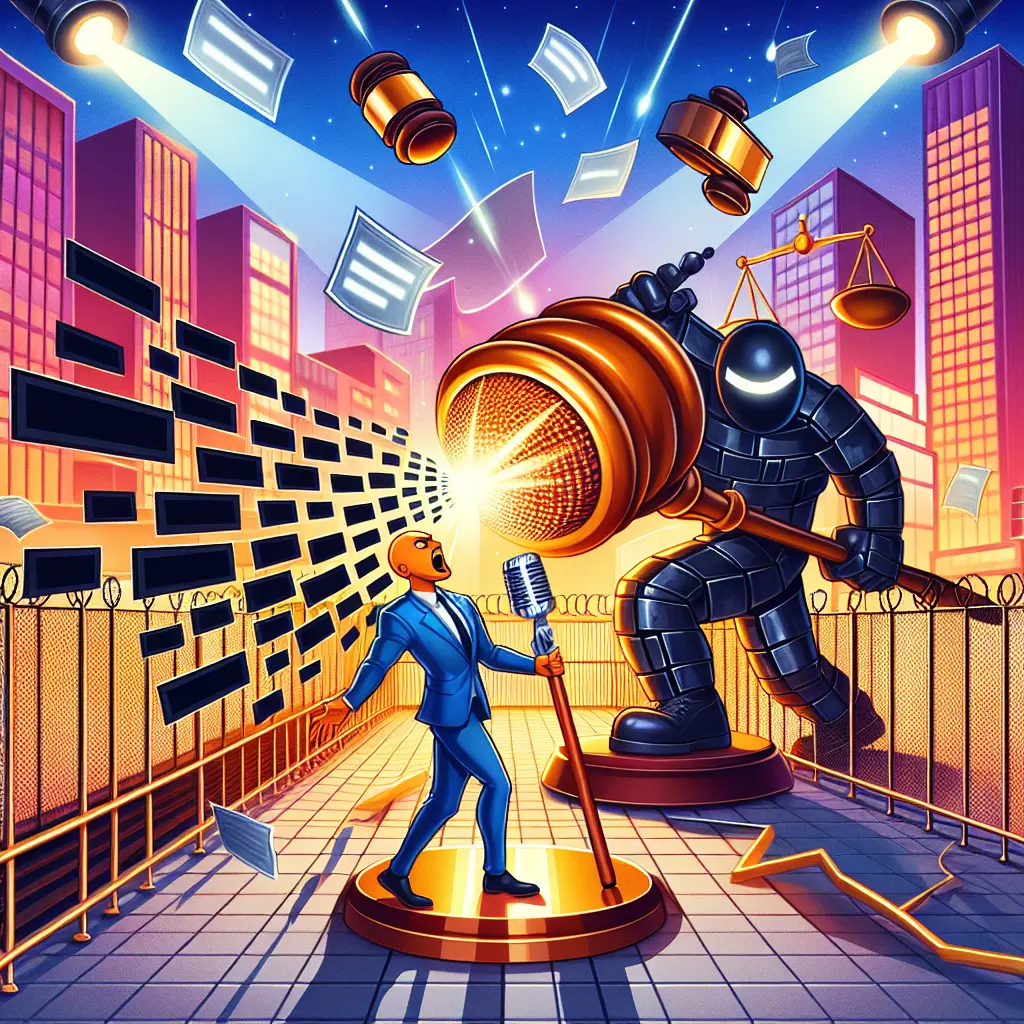
Censorship and legal battles refer to the ongoing conflicts between individuals or organizations and authorities over the suppression or restriction of information, ideas, or artistic expression. These disputes often arise when content is deemed offensive, dangerous, or politically sensitive, leading to legal action or regulatory measures. Such battles can shape public discourse, influence media freedom, and highlight the tension between free speech and societal or governmental control.
💡 Key Takeaways
- Understand how censorship manifests in music and celebrity culture and the typical reasons authorities or platforms justify restrictions.
- Learn the main legal grounds in censorship disputes (copyright, defamation, obscenity, safety, and national security) and how they are argued.
- Compare censorship by governments, platforms, and artists themselves, and discuss impacts on creativity, distribution, and careers.
- Examine landmark cases and recent examples in music and celebrity rights to see outcomes and broader implications.
❓ Frequently Asked Questions
What is censorship in the context of music and celebrities?
Censorship involves restricting or suppressing content—such as lyrics, imagery, or performances—by authorities or platforms when it’s deemed offensive, dangerous, or politically sensitive.
What kinds of legal battles do artists commonly face?
Common issues include copyright and sampling disputes, trademark or branding conflicts, defamation or privacy lawsuits, and regulatory actions over obscenity or indecency, along with contract and licensing disputes.
What is fair use and how does it relate to music?
Fair use allows limited use of copyrighted material for purposes like criticism, commentary, or teaching. In music, it can affect how samples or quoted lyrics are used, with outcomes judged case by case on factors like purpose and impact.
How can censorship and legal battles impact an artist's work?
They can influence release schedules, lead to edits or bans, prompt self-censorship, affect finances and reputation, and shape industry standards and practices.