The Challenger and Columbia disasters were pivotal moments in space exploration, both resulting from technical failures and organizational shortcomings at NASA. Challenger’s tragedy stemmed from faulty O-rings in cold temperatures, while Columbia’s was caused by foam insulation damaging the shuttle’s wing. Investigations revealed deeper issues, including communication breakdowns, flawed risk assessments, and cultural pressures. These events led to sweeping safety reforms, emphasizing transparency, rigorous testing, and prioritizing crew safety in future missions.
Challenger and Columbia: Root Causes and Lessons Learned
The Challenger and Columbia disasters were pivotal moments in space exploration, both resulting from technical failures and organizational shortcomings at NASA. Challenger’s tragedy stemmed from faulty O-rings in cold temperatures, while Columbia’s was caused by foam insulation damaging the shuttle’s wing. Investigations revealed deeper issues, including communication breakdowns, flawed risk assessments, and cultural pressures. These events led to sweeping safety reforms, emphasizing transparency, rigorous testing, and prioritizing crew safety in future missions.
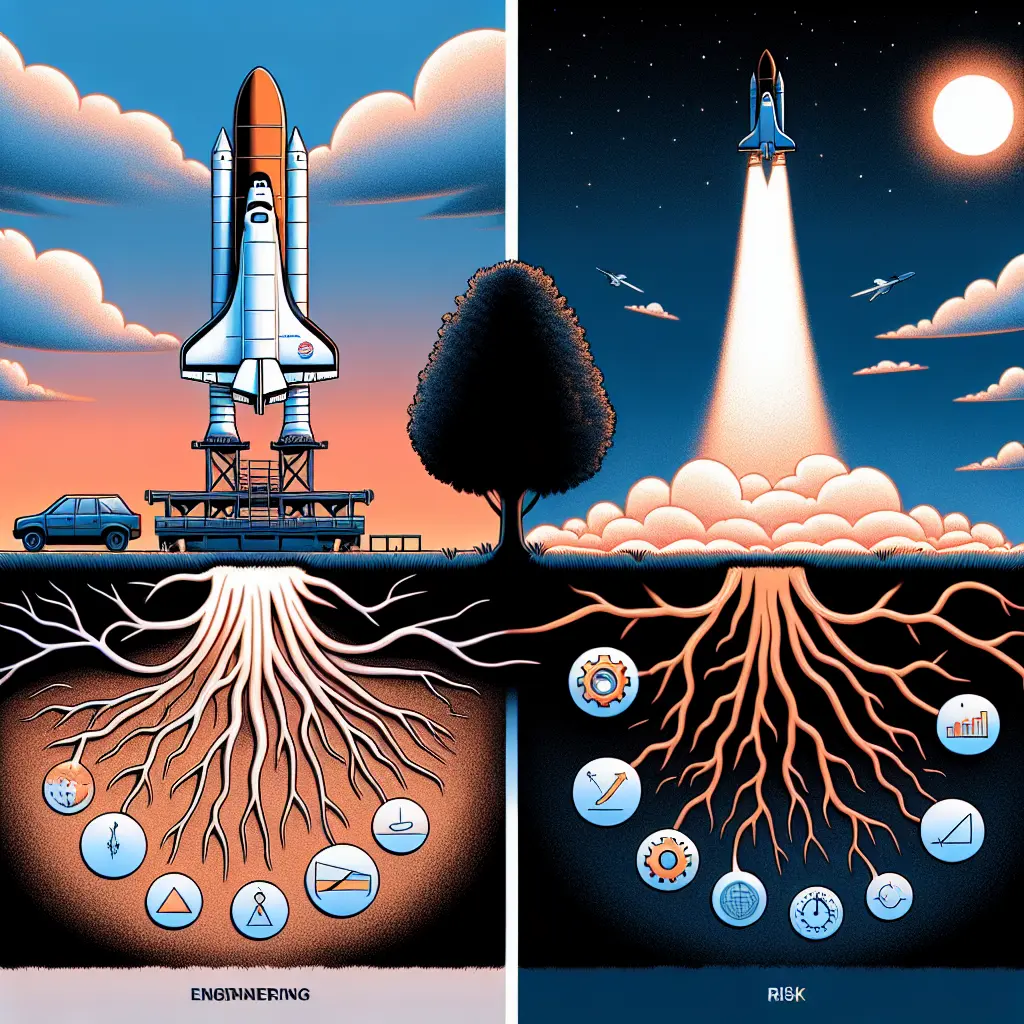
💡 Key Takeaways
- Identify the technical failures: Challenger’s cold-weather O-rings and Columbia’s foam debris, and how they caused the disasters.
- Understand how NASA's safety culture and decision-making contributed to the incidents.
- Recognize how environmental conditions and debris can threaten spacecraft safety and require design margins.
- Learn lessons for spaceflight safety: independent reviews, risk communication, and stronger safeguards.
❓ Frequently Asked Questions
What were the Challenger and Columbia disasters?
Challenger (1986) exploded after launch due to an O-ring failure in cold temperatures; Columbia (2003) disintegrated during reentry after foam insulation damaged a wing. Both involved technical failures and organizational shortcomings at NASA.
What technical factor caused the Challenger disaster?
A faulty O-ring in a solid rocket booster failed in cold weather, allowing hot gases to escape and ignite the external fuel.
What technical factor caused the Columbia disaster?
Foam insulation shed from the external tank struck the wing and damaged the leading edge, compromising the shuttle’s heat shield during reentry.
What organizational factors contributed to both incidents?
Risk management gaps, schedule pressure, and communication/decision-making shortcomings that hindered critical safety actions and independent reviews.
What lessons were learned from these disasters?
A stronger safety culture, improved risk assessment and independent oversight, and organizational/design changes to reduce debris, improve inspections, and ensure cautious flight decisions.