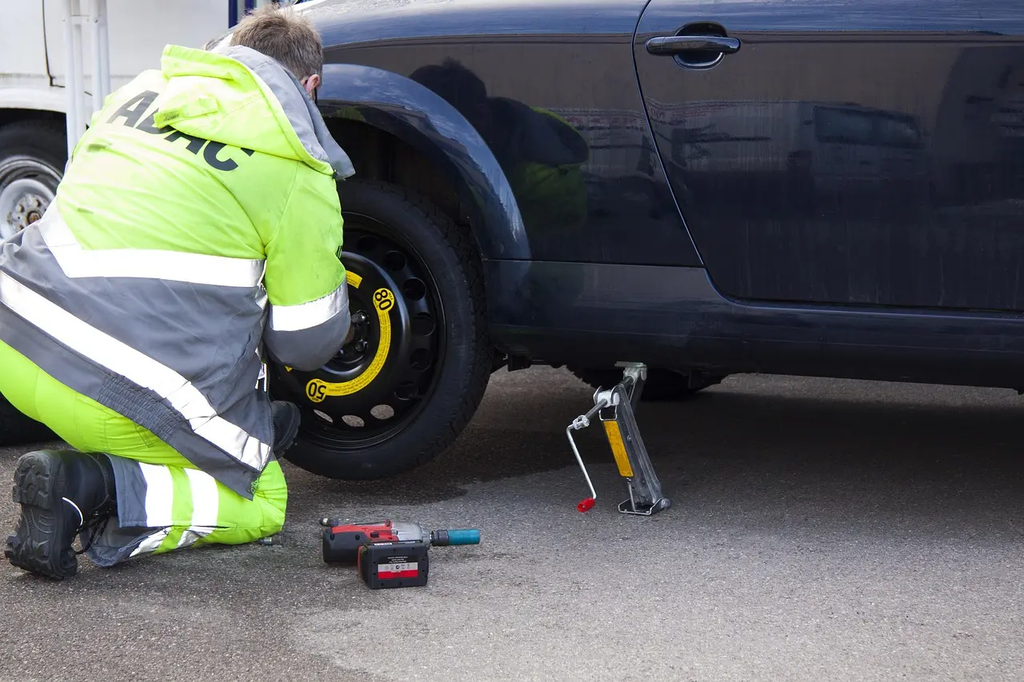
Changing a flat tire involves safely stopping your vehicle, usually on the roadside, and turning on hazard lights. You then use a jack to lift the car, remove the lug nuts with a wrench, and take off the flat tire. Next, you mount the spare tire, tighten the lug nuts, lower the car, and ensure everything is secure before continuing your journey. This process helps restore your vehicle’s mobility after a tire puncture.
Changing a Flat Tire
Changing a flat tire involves safely stopping your vehicle, usually on the roadside, and turning on hazard lights. You then use a jack to lift the car, remove the lug nuts with a wrench, and take off the flat tire. Next, you mount the spare tire, tighten the lug nuts, lower the car, and ensure everything is secure before continuing your journey. This process helps restore your vehicle’s mobility after a tire puncture.
💡 Key Takeaways
- Safely stop on the roadside, turn on hazard lights, and assess the situation.
- Position the jack on a flat, stable surface at the proper jacking point and lift the vehicle.
- Loosen the lug nuts with a wrench while the wheel is still on the ground, then remove the flat tire.
- Mount the spare tire, tighten the lug nuts in a star pattern, lower the car, and finish tightening to the recommended torque.
- If using a donut spare, drive slowly and for a short distance until you can repair or replace the full-size tire, then recheck the lug nuts after driving.
❓ Frequently Asked Questions
What is the first safety step when you have a flat tire?
Safely pull over to the roadside, turn on hazard lights, and apply the parking brake.
Which tool loosens the lug nuts before lifting the car?
A lug wrench (or cross wrench) to loosen lug nuts a few turns while the wheel is still on the ground.
How should you lift the car to remove the tire?
Place the jack at the vehicle's designated jacking point, raise the car until the wheel is off the ground, and never go under the car while it is supported by a jack.
What is the correct sequence for removing and reinstalling lug nuts?
Loosen lug nuts on the ground, remove the flat tire, mount the spare tire, hand-tighten the lug nuts, lower the car, then tighten the nuts in a star pattern to the specified torque.
What should you do after changing the tire?
Check lug nut torque after lowering, ensure the spare is inflated properly, and store tools; plan to replace the spare with a full-size tire soon.