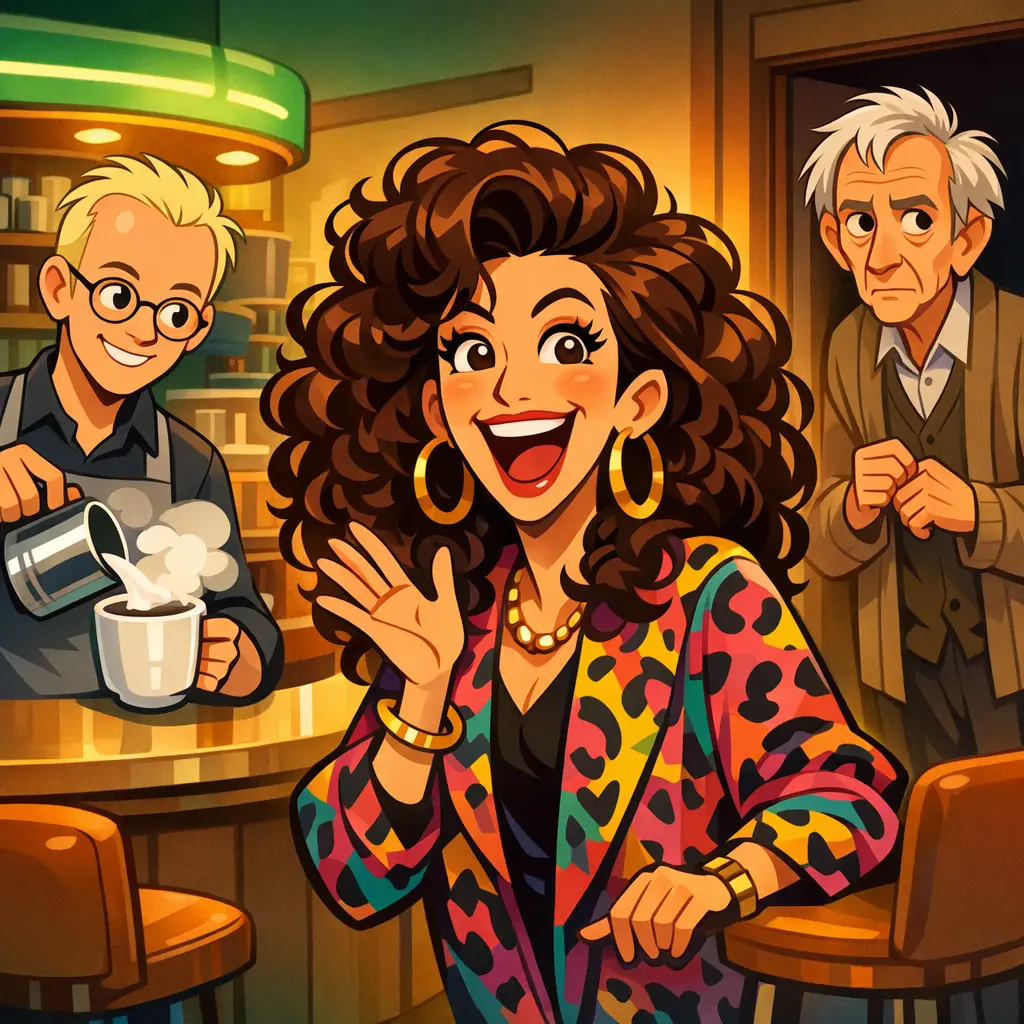
Character psychology and development arcs refer to the exploration of a character’s inner thoughts, motivations, and emotional growth throughout a story. This involves understanding how past experiences, desires, fears, and relationships shape a character’s decisions and personality. A development arc traces the transformation a character undergoes, often moving from one set of beliefs or behaviors to another, reflecting personal growth, change, or even decline, adding depth and realism to storytelling.
Character Psychology and Development Arcs
Character psychology and development arcs refer to the exploration of a character’s inner thoughts, motivations, and emotional growth throughout a story. This involves understanding how past experiences, desires, fears, and relationships shape a character’s decisions and personality. A development arc traces the transformation a character undergoes, often moving from one set of beliefs or behaviors to another, reflecting personal growth, change, or even decline, adding depth and realism to storytelling.

💡 Key Takeaways
- Understand the psychological drives that motivate a character’s decisions and growth
- Distinguish internal conflicts (emotions, beliefs) from external conflicts (threats, goals) and how each fuels development
- Learn a simple arc framework (setup → inciting incident → midpoint → crisis → transformation) to map character growth
- Explore showing change through evolving choices, relationships, and consequences
❓ Frequently Asked Questions
What is character psychology in storytelling?
The internal thoughts, emotions, and motivations that drive a character's actions.
What is a character arc?
The planned transformation a character undergoes, such as changing beliefs, traits, or goals, through the story.
What are common stages of a character arc?
Setup, inciting incident, inner conflict, turning point, growth/change, and resolution.
How do external events influence development?
They challenge the character, forcing choices that reveal and shift their beliefs and behavior.
What is the difference between static and dynamic characters?
Static characters stay the same; dynamic characters undergo meaningful growth or change.