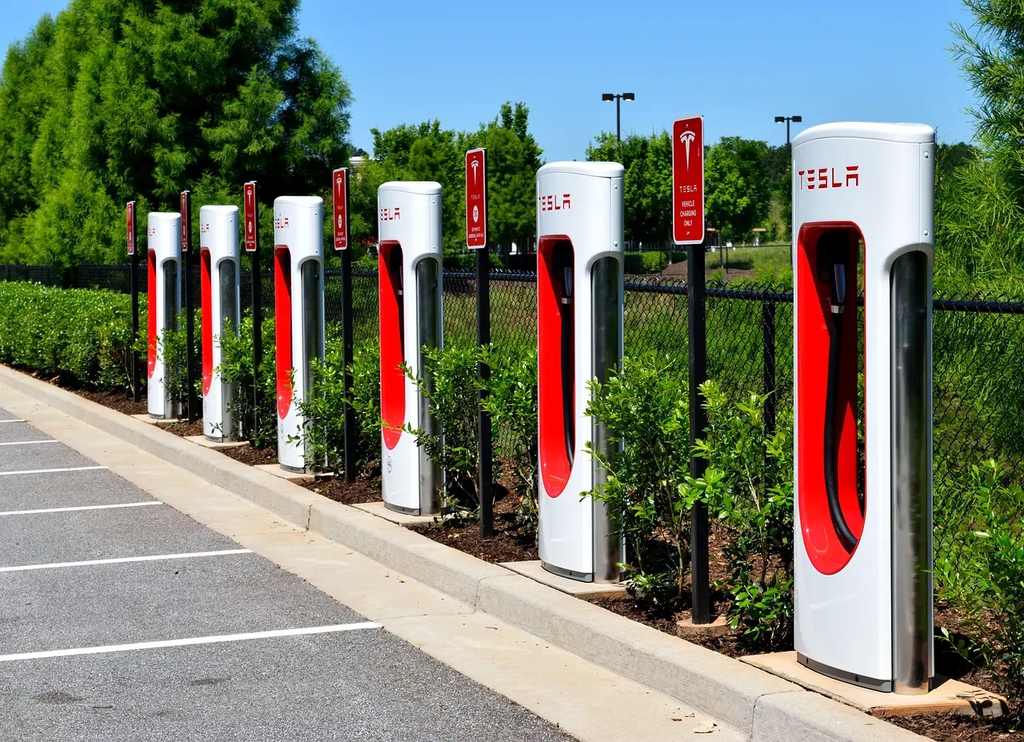
Charging Standards and Infrastructure (Telecoms, Signals & Power) refers to the established protocols and physical systems that ensure safe, efficient, and interoperable charging for electronic devices or vehicles. This includes standardized connectors, communication protocols for data exchange between chargers and devices (telecoms), signaling systems for status and safety, and the necessary electrical power supply infrastructure. These standards facilitate widespread adoption, compatibility, and reliable operation across different manufacturers and regions.
Charging Standards and Infrastructure
Charging Standards and Infrastructure (Telecoms, Signals & Power) refers to the established protocols and physical systems that ensure safe, efficient, and interoperable charging for electronic devices or vehicles. This includes standardized connectors, communication protocols for data exchange between chargers and devices (telecoms), signaling systems for status and safety, and the necessary electrical power supply infrastructure. These standards facilitate widespread adoption, compatibility, and reliable operation across different manufacturers and regions.
💡 Key Takeaways
- Identify the key EV charging standards (e.g., CCS, CHAdeMO, NACS) and how they affect vehicle compatibility.
- Differentiate charging levels (AC Level 1/2 and DC fast charging) and common use scenarios.
- Describe how charging infrastructure is deployed (home, workplace, public) and typical access and billing models.
- Explain how charging standards influence safety, interoperability, and grid impact (load management, signaling, and reliability).
❓ Frequently Asked Questions
What are charging standards?
Charging standards are the rules and specifications that govern electrical connectors, vehicle–charger communication, and safety to ensure EV charging works safely and is compatible across stations and vehicles.
What are the main charging levels and their typical power?
Level 1: about 1–2 kW (120V AC). Level 2: roughly 3.3–7 kW (240V AC, common); some setups go higher. DC fast charging: typically 50–350 kW for rapid charging.
Which connectors are commonly used for charging?
AC connectors: J1772 (North America) or Type 2 (Europe). DC connectors: CCS (Combined Charging System) and CHAdeMO; China commonly uses GB/T. Regional standards vary.
What is charging infrastructure and why is smart charging important?
Charging infrastructure includes charging stations, locations, power supply, and payment/communication systems. Smart charging coordinates when and how much power is used to balance the grid and reduce peak demand.